

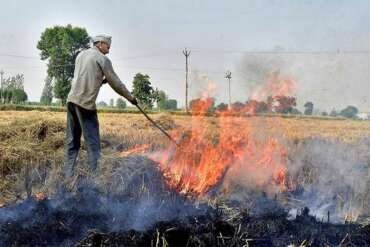
Case Study: Parali as a Biomass Fuel Source
Parali Biomass Fuel: Parali Cut Ho Gayi. Ab Real Decision Start Hota Hai
Har saal discussion ek hi jagah atak jaata hai—parali burning.
News channels, social media, policy debates… sab isi pe focus karte hain.
Lekin ground reality ka ek important phase hai jo almost ignore ho jaata hai:
👉 Parali cut hone ke baad kya hota hai?
Yahi wo stage hai jahan actual decision-making hoti hai.
Aur honestly, yahi wo stage hai jahan India sabse zyada value lose karta hai.
🌾 Post-Harvest Phase: Jahan Problem Nahi, Confusion Shuru Hoti Hai
Jab parali cut hoti hai, uske baad farmer ke paas koi theoretical options nahi hote—sirf practical constraints hote hain.
Unki situation samjho:
- Next crop delay nahi ho sakti
- Field jaldi clear karni hai
- Labour already expensive hai
- Machinery har jagah available nahi hai
- Storage infrastructure almost non-existent hai
👉 Matlab:
Decision environmental nahi hota.
Decision operational urgency pe based hota hai.
🔍 3 Real Options (Ground Level Reality)
1. Field mein chhod dena
Surface pe yeh sustainable lagta hai, lekin practical nahi:
- Soil preparation delay hota hai
- Residue next crop interfere karta hai
- Yield impact ho sakta hai
👉 Result: Rarely preferred
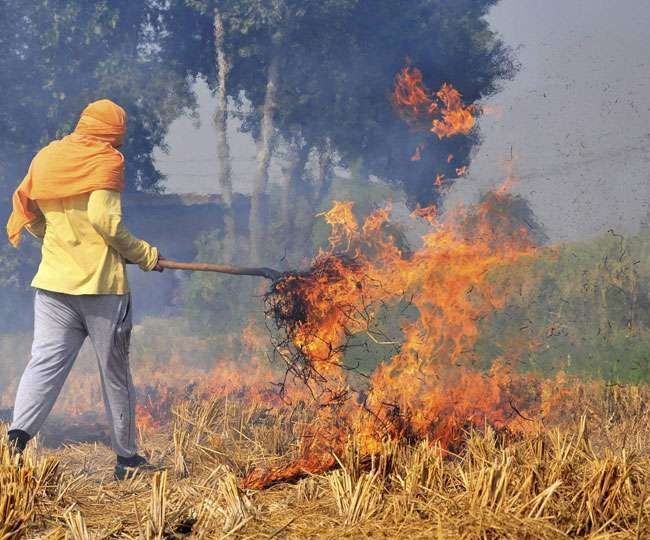
2. Burning (Sabse Common)
Yeh option emotional nahi, logical hai (farmer ke perspective se):
- Fastest clearance
- Zero logistics
- No storage
- No dependency
👉 Lekin:
- Zero value creation
- Environmental damage
- Long-term systemic loss
3. Removal & Utilisation (Least Used, Most Valuable)
Yeh theoretically best hai:
- Resource utilisation
- Income potential
- Industrial use
Lekin practically:
- Collection system weak
- Buyers fragmented
- Pricing unclear
- Logistics expensive
👉 Result: Underutilised
🧠 Core Insight (Yeh Samajhna Zaroori Hai)
Zyada tar discussions galat jagah focus karte hain.
Log kehte hain:
👉 “Parali problem hai”
Reality:
Parali problem nahi hai…
parali ka unstructured management problem hai.
🔄 Perspective Shift: Waste vs Fuel
Agar aap parali ko dekho as:
👉 Waste
→ Burning logical lagega
Lekin agar aap dekho as:
👉 Parali biomass fuel
Toh poori economics change ho jaati hai.
🔥 Technical Reality
Parali koi ordinary residue nahi hai.
Iski characteristics dekho:
- High cellulose content
- Combustible structure
- Low moisture (post drying)
- Large volume availability
👉 Translation:
Yeh ek viable industrial fuel hai.
📉 India Ka Hidden Loss
Har saal crores tonnes parali produce hoti hai.
Agar yeh burn hoti hai:
- Value = zero
- Cost = environmental + health
Agar yeh utilise hoti:
- Value = energy
- Value = revenue
- Value = industrial fuel substitution
👉 Difference sirf perception ka hai.
🏭 Yahan Se Industry Story Start Hoti Hai
Ab picture ka doosra half dekho.
Ek side:
- Farmers ke paas biomass (parali) hai
Dusri side:
- Industries fuel ke liye struggle kar rahi hain
Aur phir bhi:
👉 Dono systems isolated hain
⚠️ Strategic Disconnect
Yeh sirf logistics problem nahi hai.
Yeh ek system design failure hai.
- Agriculture output → energy system mein integrate nahi ho raha
- Industry demand → local resources se connect nahi ho rahi
👉 Result:
India import-dependent fuel system pe operate karta hai
jabki local biomass available hai.
💡 Ek Simple Thought Experiment
Socho agar:
- Parali structured tareeke se collect ho
- Standardised form mein convert ho
- Direct industry ko supply ho
Toh kya hoga?
👉 Fuel ecosystem decentralise ho jayega
👉 Local economies strengthen hongi
👉 Cost pressures reduce honge
📊 Why This Moment Matters
Parali burning discussion purani ho chuki hai.
Ab next phase hai:
👉 Post-harvest utilisation
Yeh wo stage hai jahan:
- Policy impact aa sakta hai
- Industry participation critical hai
- Technology adoption matter karta hai
🔚 Part 1
Parali cut hone ke baad problem khatam nahi hoti.
👉 Wahin se real value chain start hoti hai.
Aur yahan decision simple hai:
“Kya aap isse waste treat karoge…
ya ek usable fuel ke roop mein dekhoge?”
Industry Gap: Demand Hai… Lekin System Design Missing Hai
Part 1 mein ek cheez clear ho chuki hai:
👉 Parali available hai.
👉 Uski value exist karti hai.
Ab doosra half samajhte hain—industry side.
🏭 Industrial Reality: Energy Is Not Optional
Koi bhi manufacturing process dekho—textile, food, pharma, chemicals—
ek common dependency milegi:
👉 Heat aur steam
Aur yeh dono generate hote hain:
👉 Boiler systems ke through
⚠️ Aaj Industry Kya Face Kar Rahi Hai?
1. Fuel Cost Pressure (Silent but Growing)
Traditional fuels jaise coal:
- Price volatile hai
- Transportation cost add hoti hai
- Long-term contracts bhi stable nahi rehte
👉 Result:
Energy cost unpredictable ho jaati hai
2. Sustainability Expectations (Now Mandatory)
Aaj ke time pe sustainability ek “nice-to-have” nahi hai.
- Export clients demand karte hain
- Certifications required hote hain
- ESG reporting increase ho rahi hai
👉 Matlab:
Fuel choice directly brand aur compliance impact karti hai
3. Regulatory Tightening (Future Risk)
- Emission norms strict ho rahe hain
- Pollution monitoring increase ho rahi hai
- Penalties real ho chuki hain
👉 Industries ko adapt karna hi padega.
🤯 The Paradox (Sabse Important Insight)
Ek taraf:
👉 Industries fuel ke liye cost aur compliance struggle kar rahi hain
Dusri taraf:
👉 Crores tonnes biomass (parali) fields mein pada hai
Aur phir bhi:
👉 Systemically dono connect nahi ho rahe
🔗 Real Gap: Supply vs Demand Nahi, System vs Execution
Log bolte hain:
👉 “Supply chain issue hai”
Lekin deeper level par problem yeh hai:
- No structured aggregation
- No standard fuel format
- No predictable supply contracts
- No integration with boiler systems
👉 Matlab:
Resource hai, lekin usable system nahi hai
⚙️ Yahan Biomass Systems Game Change Karte Hain
Parali ko raw form mein directly use karna inefficient hota hai.
Isliye usse convert kiya jaata hai:
🔄 Step 1: Aggregation
Fields se collection organised hota hai
🔄 Step 2: Processing
Parali ko convert kiya jaata hai:
- Bales (compressed bundles)
- Pellets / briquettes (uniform fuel form)
👉 Yeh step critical hai kyunki:
- Storage easy hota hai
- Handling efficient hoti hai
- Combustion controlled hota hai
🔄 Step 3: Logistics
Processed fuel industries tak supply hota hai
🔥 Boiler System: Yahan Real Value Unlock Hoti Hai
Ab sabse important connection:
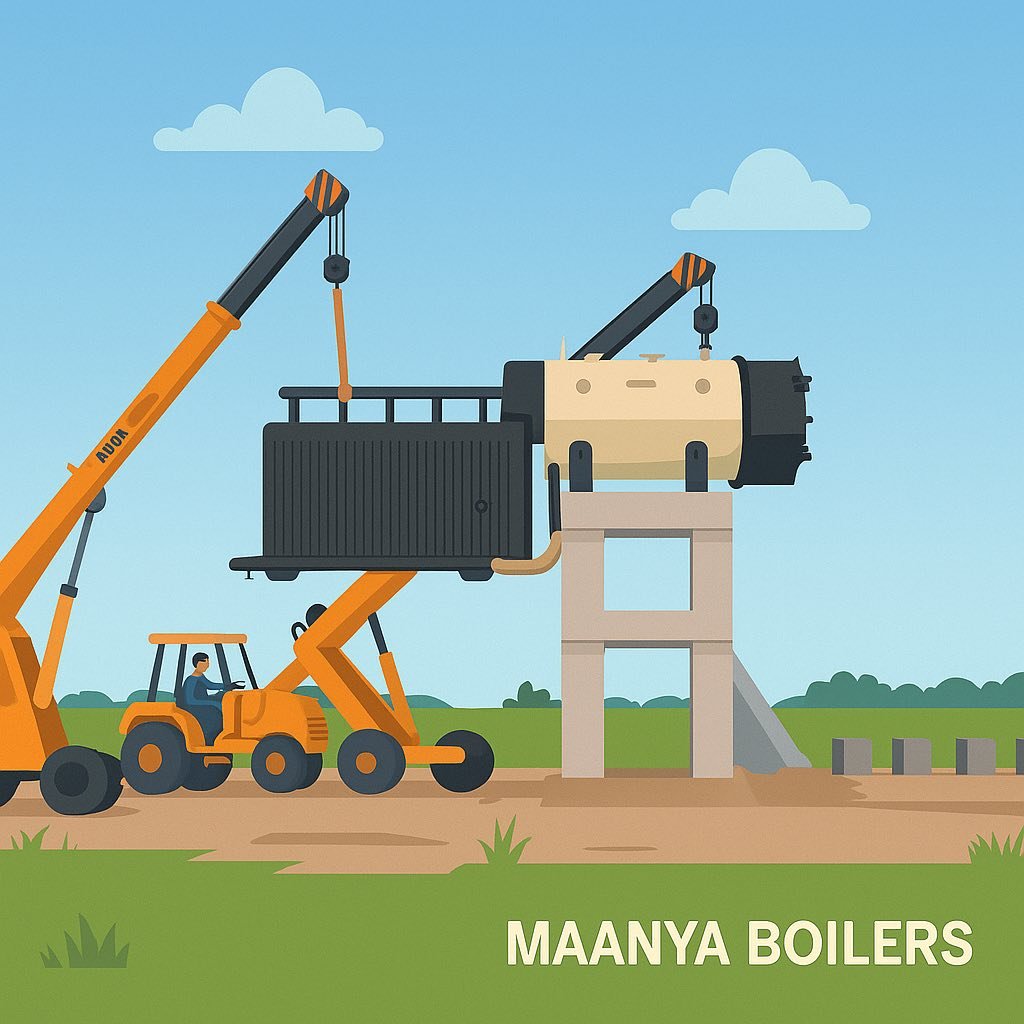
👉 Boiler
Boiler sirf ek machine nahi hai—
👉 yeh fuel ko usable energy mein convert karne ka core system hai.
Biomass systems ko samajhne ke liye aap detailed insights explore kar sakte hain
👉 Maanya Boilers Pvt. Ltd.
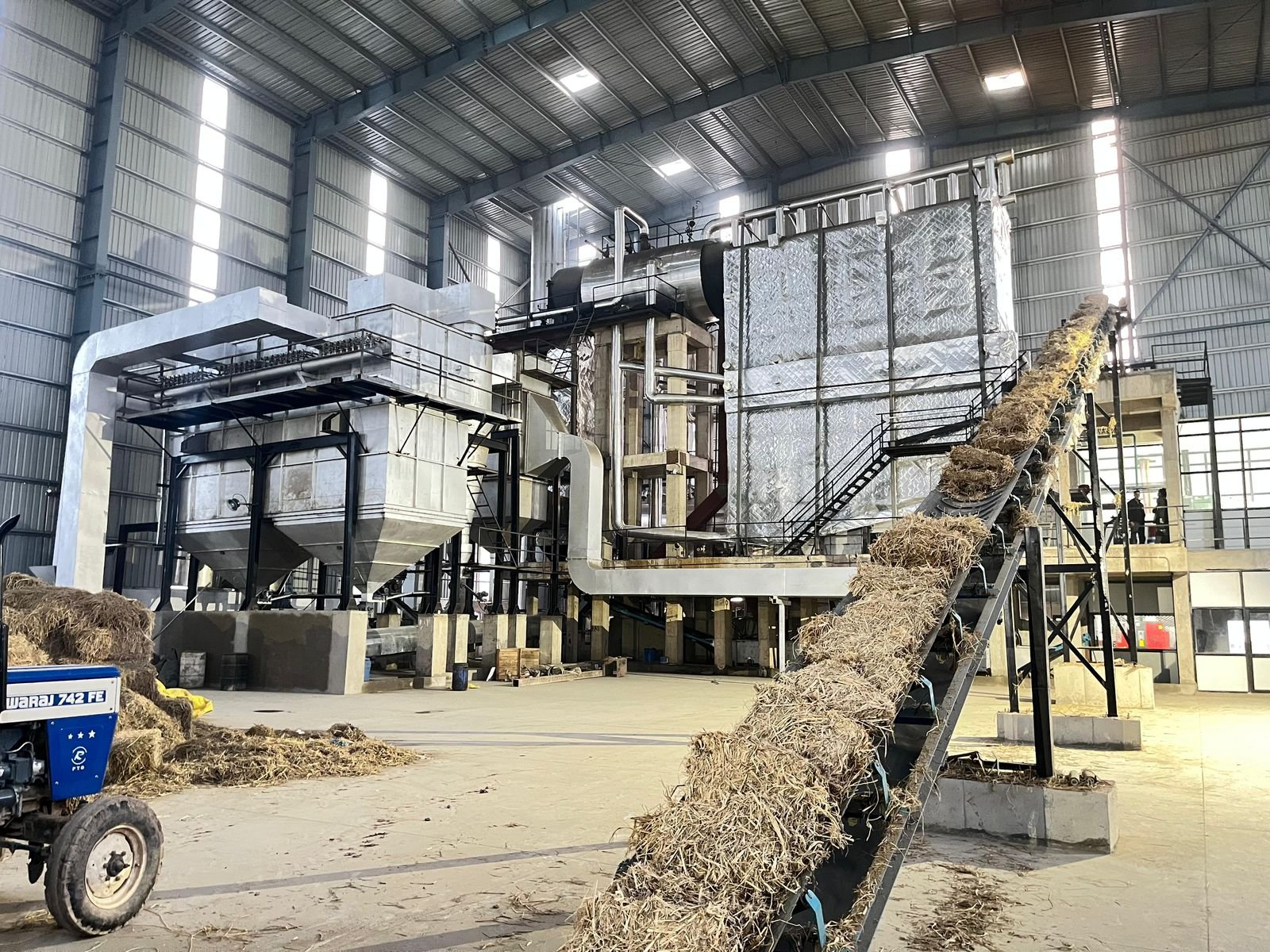
⚙️ Boiler Working
1. Fuel Feeding System
- Biomass (parali-based fuel) controlled tareeke se feed hoti hai
- Uniform feeding = stable combustion
2. Combustion Chamber
- Yahan fuel burn hota hai
- Controlled air supply di jaati hai
👉 Efficiency ka major role yahin hota hai
3. Heat Transfer System
- Generated heat water tubes ya shell ko transfer hoti hai
- Design decide karta hai efficiency
4. Steam Generation
- Water heat hoke high-pressure steam banta hai
- Pressure aur temperature industry requirement ke hisaab se control hota hai
5. Distribution
- Steam pipelines ke through process units tak jaati hai
👉 Full system samajh lo:
Parali biomass fuel → Controlled combustion → Heat → Steam → Industrial output
🧠 Efficiency Ka Real Meaning
Log sochte hain efficiency = fuel saving.
Lekin industrial context mein efficiency ka matlab hai:
- Stable output
- Predictable performance
- Minimum downtime
- Controlled cost
🏭 Real Industry Example
Textile Industry
Requirement:
- Continuous steam
- Consistent temperature
Problem with coal:
- Inconsistent combustion
- Emission issues
Biomass shift ke baad:
- Better control
- Lower emissions
- Local fuel sourcing
Food Processing Industry
Requirement:
- Clean heating
- Process stability
Biomass advantage:
- Controlled combustion
- Sustainable positioning
Pharma Industry
Requirement:
- Precision
- Compliance
Yahan:
- Fuel choice directly audit aur certification impact karta hai
🔍 Why Boiler Selection Matters
Same fuel, different result—kyun?
👉 Boiler design
Agar:
- Fuel handling system weak hai
- Combustion inefficient hai
- Heat transfer poor hai
Toh:
👉 Fuel waste hoga
👉 Cost badhegi
👉 Output unstable hoga
🔗 Practical Implementation Support
Industries jo biomass transition explore karna chahti hain,
unhe sirf fuel nahi—complete system approach chahiye.
Yahan companies jaise
👉 Maanya Boilers Pvt. Ltd.
integrated solutions provide karti hain—from design to execution.
⚠️ Honest Challenges
Real adoption mein challenges aate hain:
- Fuel moisture variability
- Storage infrastructure
- Initial system setup cost
- Supply consistency
Lekin:
👉 Yeh operational challenges hain, structural nahi
💡 Strategic Insight
Jo industries yeh samajh leti hain:
“Energy system ko optimise karna cost nahi… investment hai”
👉 Woh long-term mein outperform karti hain.
🔚 Part 2
Ab picture complete ho rahi hai:
- Resource available hai
- Demand bhi hai
- Technology bhi exist karti hai
Phir bhi gap hai.
“Opportunity wahi hoti hai jahan system incomplete hota hai.”
Coal vs Parali Biomass Fuel: Decision Aaj Ka, Impact Kal Ka
Ab tak humne samjha:
- Parali available hai
- Industry demand exist karti hai
- Systems available hain
Ab final layer:
👉 Decision making
⚖️ Strategic Comparison: Coal vs Parali Biomass Fuel
| Factor | Coal | Parali Biomass Fuel |
|---|---|---|
| Cost Trend | Increasing & volatile | Locally manageable |
| Supply Dependency | External | Local ecosystem |
| Emissions | High | Lower |
| Compliance Risk | Increasing | Relatively safer |
| Long-term Viability | Declining | Growing |
| Brand Positioning | Neutral | Sustainable advantage |
🧠 Real Business Insight
Coal ek legacy system hai.
Biomass ek adaptive system hai.
👉 Difference yeh nahi hai ki kaunsa fuel better hai
👉 Difference yeh hai ki kaunsa future-ready hai
💰 Cost Thinking vs System Thinking
Zyada tar industries yeh galti karti hain:
👉 Sirf fuel cost compare karti hain
Lekin actual decision yeh hona chahiye:
- Fuel cost
- Handling cost
- Compliance cost
- Future risk
👉 Jab aap yeh sab add karte ho:
Biomass becomes a strategic choice, not just an alternative
🚀 Implementation: Shift Kaise Karein?
Biomass adoption ek switch nahi hai—
👉 yeh ek transition process hai
Step 1: Current System Evaluation
- Fuel consumption
- Boiler efficiency
- Cost analysis
Step 2: Fuel Feasibility
- Local biomass availability
- Storage capacity
- Supply consistency
Step 3: Boiler Compatibility
- Existing system modify hoga ya replace?
- Combustion system suitability
Step 4: Pilot Phase
- Partial load testing
- Performance monitoring
Step 5: Full Integration
- Long-term contracts
- Stable operations
🌱 Sustainability = Competitive Advantage
Aaj sustainability ka direct impact hai:
- Client trust
- Export eligibility
- Brand positioning
👉 Biomass adoption sirf compliance nahi hai
👉 Market positioning hai
🌍 Global Direction
Global level par bhi transition clear hai.
Organizations jaise International Energy Agency highlight karte hain:
- Renewable adoption accelerating hai
- Biomass industrial energy ka part ban raha hai
👉 India iss transition ke early stage par hai
👉 Opportunity abhi bhi open hai
Global level par bhi biomass adoption accelerate ho raha hai. Detailed data aur reports aap yahan dekh sakte hain:
👉 International Energy Agency
Industry 4.0 principles emphasize data-driven energy optimization frameworks:
https://www.mckinsey.com/capabilities/operations/our-insights/industry-4-0
⚠️ Ground Reality
Biomass perfect nahi hai.
Challenges:
- Storage planning
- Moisture management
- Supply variability
Lekin:
👉 Yeh operational problems hain, not structural limitations
🔚 Final Thought
Parali cut hone ke baad real decision simple hai:
👉 Dispose karna hai
👉 Ya deploy karna hai
“Parali problem tab banti hai jab usse jalaya jaata hai.
Opportunity tab banti hai jab usse system mein integrate kiya jaata hai.”
❓ FAQs
1. Kya parali biomass fuel coal ka complete replacement ho sakta hai?
Har case mein nahi, lekin kaafi industries mein partial ya full replacement possible hai, depending on boiler design aur process requirement.
2. Biomass boiler aur coal boiler mein main difference kya hai?
Main difference fuel handling aur combustion system ka hota hai. Biomass boilers specially design hote hain agricultural fuels ke liye.
3. Kya parali use karna cost-effective hai?
Short-term mein setup cost ho sakti hai, lekin long-term mein fuel cost control + sustainability advantage milta hai.
4. Biomass fuel ka biggest challenge kya hai?
Supply consistency aur moisture control—lekin structured sourcing se yeh manageable hai.
5. Kaunsi industries parali biomass fuel use kar sakti hain?
Textile, food processing, pharma, chemical—basically jahan steam requirement hai, wahan use possible hai.
🔗 Related Blogs
Aap aur explore kar sakte hain:
👉 Maanya Boilers Blog Section
👉 Maanya Boilers Pvt. Ltd.
No responses yet