

Case Study: Preventing a Boiler Blast Through Proper Maintenance
🔍 Introduction
Boiler blast causes and prevention samajhna har industrial setup ke liye bahut important hai. Aksar boilers ko high-risk equipment ke roop me dekha jata hai, lekin jab unhe sahi tarike se operate aur maintain kiya jaye, toh yeh ek highly controlled aur reliable system hote hain.
Industrial operations me boiler ek critical role play karta hai — chahe wo manufacturing ho, food processing, textile, ya kisi bhi steam-based application me.
Phir bhi, jab bhi kisi incident ki baat hoti hai, ek common perception saamne aata hai:
“Boiler kabhi bhi blast ho sakta hai.”
Yeh perception samajhna zaroori hai — aur isko technically evaluate karna aur bhi zaroori hai.
⚙️ Boiler System ko Samajhna (Simplified Industrial View)
Ek boiler ko agar simple terms me dekhein, toh yeh ek controlled energy conversion system hai:
- Water → Heat input
- Heat → Steam generation
- Steam → Pressure + Energy transfer
Is poore process me kuch critical parameters continuously monitor kiye jaate hain:
- Water level
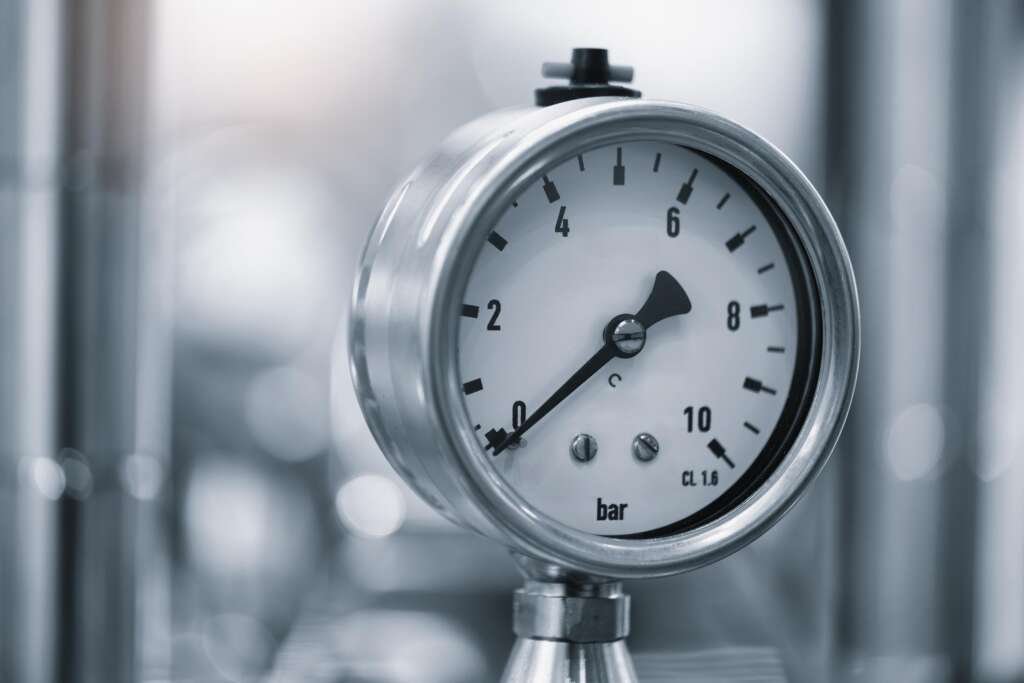
- Pressure
- Temperature
- Safety mechanisms
👉 Jab yeh parameters defined limits ke andar operate karte hain, system stable aur safe rehta hai.
🧠 Ek Practical Sawal
Yahan ek important sawal uthta hai:
👉 Agar system itna controlled hai, toh incidents hote kyun hain?
Iska jawab samajhne ke liye hume “event” se zyada “process” ko dekhna hoga.
🔄 Boiler Failure: Ek Process, Na ki Ek Sudden Event
Industrial experience yeh suggest karta hai ki boiler-related incidents:
- aksar ek hi moment me nahi hote
- balki ek sequence of conditions ke baad develop hote hain
Is sequence me typically yeh stages dekhi ja sakti hain:
1. Initial deviation
- minor fluctuation in water level
- slight pressure variation
2. Warning indicators
- alarms
- abnormal readings
- system response changes
3. Escalation
- parameter imbalance
- stress on components
4. Failure
- system integrity compromise
- sudden outcome (jo “blast” ke roop me dikhta hai)
👉 Is perspective se dekhein toh incident ek “final outcome” hota hai, na ki starting point.
🏭 Industrial Scenario (Example)
Consider ek typical production environment:
- demand high hai
- timelines tight hain
- continuous operation required hai
Is situation me:
- shutdown postpone kiya jata hai
- minor deviations ko monitor karke continue kiya jata hai
- maintenance activities delay ho sakti hain
👉 Yeh sab decisions operational level par practical lagte hain, lekin system ke behavior par cumulative impact daalte hain.
🛑 Checkpoint
Aap apne current setup ke context me yeh evaluate kar sakte hain:
- Kya daily operational parameters properly log kiye jaate hain?
- Kya safety alarms ka response protocol clearly defined hai?
- Kya preventive maintenance schedule consistently follow hota hai?
👉 In sawalon ke answers hi system reliability ko define karte hain.
⚖️ Perception vs Technical Reality
Perception:
👉 Boiler = high-risk, unpredictable system
Technical reality:
👉 Boiler = predictable, monitorable, controllable system
Difference kahan aata hai?
👉 Monitoring, maintenance aur operation discipline me
📊 Key Observation
Industrial data aur operational patterns yeh indicate karte hain ki:
- most issues identifiable hote hain
- warning signs available hote hain
- corrective action possible hota hai
👉 Isliye, focus “incident” par nahi, “system behavior” par hona chahiye.
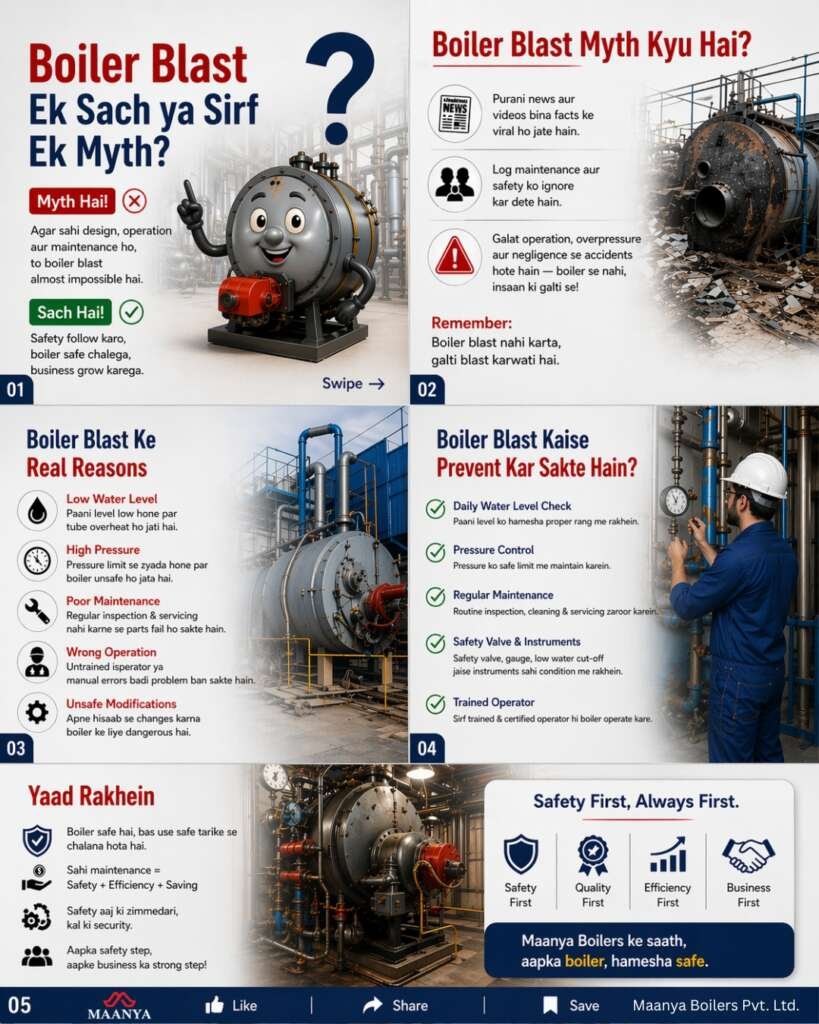
📲 Visual Understanding
Agar aap is concept ko ek quick aur visual format me samajhna chahte hain,
toh is topic par ek concise breakdown yahan dekha ja sakta hai:
Humari instagram post dekhein isse related:
👉 Instagram Post
🔚 Part 1 Conclusion
Is section ka core takeaway yeh hai:
- Boiler blast ek isolated ya random occurrence nahi hota
- Yeh ek process-driven outcome hota hai
- System parameters aur operational practices isme central role play karte hain
👉 Is understanding ke saath, next step yeh hai ki hum detail me dekhein ki kaunse specific factors is process ko influence karte hain.
Boiler Blast ke Key Causes: Industrial Perspective se Detailed Understanding
🔍 Starting Point
Part 1 me humne yeh samjha ki boiler-related incidents ek process-driven outcome hote hain, na ki sudden events.
Ab natural next step yeh hai:
👉 Woh kaunse factors hain jo is process ko initiate aur escalate karte hain?
Is section me hum unhi factors ko systematically samjhenge — technical clarity + practical context ke saath.
⚙️ 1. Water Level Imbalance (Low Water Condition)
Iska actual matlab kya hota hai?
🔍 Basic Understanding
Boiler ke andar water ek critical working medium hota hai.
👉 Iska main kaam hota hai:
- heat absorb karna
- steam generate karna
- aur system ko controlled rakhna
📌 “Water Level Imbalance” ka matlab
Iska simple meaning hai:
👉 Boiler me water ka level required safe limit se kam ya zyada ho jana
Lekin jab hum specifically Low Water Condition ki baat karte hain, toh:
👉 Water level itna kam ho jata hai ki boiler ke internal heated parts (jaise tubes) properly water me submerged nahi rehte
⚙️ Yeh problem kyun serious hai?
Boiler ke andar jo tubes ya surfaces heat ho rahi hoti hain,
unhe continuously water cover karta hai.
👉 Water = cooling + heat absorption
🔬 Jab water level kam ho jata hai:
- water heat absorb nahi kar pata
- heat directly metal surface par lagti hai
⚠️ Result kya hota hai?
- metal ka temperature rapidly increase hota hai
- material weak hone lagta hai
- deformation ya rupture ho sakta hai
👉 aur yahi condition aage chal kar major failure ka reason ban sakti hai
🧠 Ek simple relatable example
Sochiye:
Aap ek empty pan ko gas par rakh dete ho 🔥
- jab tak usme paani hai → heat controlled hai
- jaise hi paani khatam → pan overheat ho jata hai
👉 Boiler me bhi same concept apply hota hai, bas scale aur pressure zyada hota hai
🏭 Industrial context me yeh kaise hota hai?
Boiler system me water ka role sirf input nahi, balki cooling medium + heat absorber ka bhi hota hai.
👉 Jab water level required threshold se niche chala jata hai, system ka thermal balance disturb ho jata hai.
Low water condition typically develop hoti hai jab:
- feed water supply irregular ho
- level indicator faulty ho
- operator timely check na kare
- sudden steam demand increase ho
🛑 Important clarification
Yeh ek “instant problem” nahi hoti
👉 yeh gradually develop hoti hai
👉 aur system usually warning signs deta hai
- Heat continuously generate ho rahi hoti hai
- Water us heat ko absorb karta hai
- Agar water kam ho jaye:
👉 Heat directly metal surfaces pe act karti hai
⚠️ Impact
- Localized overheating
- Material strength reduce
- Tube deformation ya rupture
👉 Yeh condition gradual hoti hai, lekin agar detect na ho toh severe outcome de sakti hai
📌 One-line clarity
Low water condition ka matlab hai ki boiler ke andar water itna kam ho gaya hai ki heated surfaces safe tarike se cool nahi ho pa rahi hain
🧠 Quick self-check
Aap apne system ke liye soch sakte hain:
- Kya water level indicator reliable hai?
- Kya manual cross-check hota hai?
- Kya low water alarm properly kaam karta hai?
👉 Yeh 3 cheezein hi is risk ko control kar sakti hain
🧠 Practical Observation
Kaafi setups me:
- operators gauges par depend karte hain
- lekin manual cross-check regularly nahi hota
👉 Yahan se risk silently build ho sakta hai
⚙️ 2. Excess Pressure Build-up
Iska actual matlab kya hota hai?
🔍 Basic Understanding
Boiler ka primary function hota hai steam generate karna,
aur steam ke saath naturally pressure build hota hai.
👉 Yeh pressure hi useful energy hoti hai jo industrial processes me use hoti hai.
📌 “Excess Pressure Build-up” ka matlab
Simple terms me:
👉 Boiler ke andar pressure safe operating limit se zyada ho jana
Har boiler ke liye ek defined pressure range hoti hai:
- minimum safe level
- maximum allowable limit
👉 In limits ke andar system stable rehta hai
⚙️ Yeh problem kab hoti hai?
Excess pressure tab develop hota hai jab:
- steam generate ho rahi ho
- lekin release ya control properly na ho
🔬 Simplified Technical Explanation
Normal condition me:
- water heat hota hai → steam banti hai
- steam control system ke through use ya release hoti hai
👉 Isse pressure balance me rehta hai
⚠️ Jab imbalance hota hai:
- steam continuously generate ho rahi hai
- lekin exit ya regulation slow ho jata hai
👉 result: pressure gradually increase karta hai
⚠️ Impact kya hota hai?
Jab pressure safe limit cross karta hai:
- internal components par stress increase hota hai
- joints, tubes, aur shell par load badhta hai
- material fatigue accelerate hoti hai
👉 extreme cases me system integrity compromise ho sakti hai
🧠 Relatable Example
Sochiye aap ek pressure cooker use kar rahe ho:
- jab tak whistle kaam kar rahi hai → pressure controlled hai
- agar steam release block ho jaye → pressure build hota rahega
👉 Boiler me bhi concept similar hai, bas scale aur risk zyada hota hai
🏭 Industrial context me yeh kaise hota hai?
Excess pressure typically develop hota hai jab:
- safety valve properly open nahi hota
- pressure gauge incorrect reading deta hai
- control system delay karta hai
- steam demand suddenly reduce ho jati hai
🛑 Important clarification
👉 Pressure ekdum se jump nahi karta
👉 yeh gradually build hota hai
Aur system usually:
- alarms
- indicators
- signals
provide karta hai
📌 One-line clarity
Excess pressure build-up ka matlab hai ki boiler ke andar steam pressure safe limit se upar chala gaya hai aur system usse effectively control nahi kar pa raha
🧠 Quick self-check
Aap apne setup ke liye evaluate kar sakte hain:
- Kya safety valve regularly test hota hai?
- Kya pressure gauge calibrated hai?
- Kya abnormal pressure pe immediate action defined hai?
👉 Yeh checks pressure-related risk ko significantly reduce karte hain
⚙️ 3. Inadequate Maintenance (Poor Maintenance Practices)
Iska actual matlab kya hota hai?
🔍 Basic Understanding
Boiler ek continuous operating system hai, jisme:
- heat
- pressure
- water
- metal surfaces
sab constantly interact karte hain.
👉 Is wajah se, regular maintenance is system ke liye optional nahi — essential hota hai.
📌 “Poor Maintenance” ka matlab
Simple terms me:
👉 Boiler ki regular cleaning, inspection aur servicing time par na hona ya properly na hona
Isme include hota hai:
- internal cleaning delay
- scale removal na karna
- worn-out parts replace na karna
- inspection skip karna
⚙️ Yeh problem kyun serious hai?
Boiler ka performance sirf operation par depend nahi karta,
👉 balki uski internal condition par bhi depend karta hai
🔬 Simplified Technical Explanation
Time ke saath boiler ke andar:
1. Scale formation hoti hai
- water me dissolved minerals deposit ho jate hain
- yeh layer tubes ke upar jam jati hai
👉 Result: heat transfer reduce ho jata hai
2. Corrosion develop hoti hai
- metal surfaces gradually weaken hoti hain
- thickness reduce ho sakti hai
3. Fouling / deposits
- internal flow disturb hota hai
- uneven heating hoti hai
⚠️ Impact kya hota hai?
Poor maintenance ki wajah se:
- overheating risk increase hota hai
- pressure imbalance ho sakta hai
- component failure ka chance badhta hai
👉 aur system gradually unsafe zone me enter karta hai
🧠 Relatable Example
Sochiye aap ek iron (press) use kar rahe ho:
- clean surface → smooth heating
- agar usme deposits jam jayein → heating uneven ho jati hai
👉 Boiler me bhi same concept hai, but industrial scale par
🏭 Industrial context me yeh kaise hota hai?
Poor maintenance usually develop hoti hai jab:
- production priority zyada ho
- shutdown avoid kiya jata hai
- maintenance schedule follow nahi hota
- “abhi chal raha hai, baad me dekhte hain” approach hoti hai
🛑 Important clarification
👉 Poor maintenance ka effect immediate nahi hota
👉 yeh gradual degradation hota hai
Aur isi wajah se yeh unnoticed reh jata hai jab tak issue serious na ho jaye
📌 One-line clarity
Poor maintenance ka matlab hai ki boiler ki internal condition ko regularly inspect aur maintain nahi kiya ja raha, jis se system efficiency aur safety dono affect hote hain
🧠 Quick self-check
Aap apne setup ke liye yeh evaluate kar sakte hain:
- Kya maintenance schedule documented hai?
- Kya cleaning aur inspection timely ho rahi hai?
- Kya small issues ko immediately address kiya jata hai?
👉 Yeh 3 cheezein long-term safety ensure karti hain
⚙️ 4. Operational Handling & Process Variations
Iska actual matlab kya hota hai?
🔍 Basic Understanding
Boiler ek dynamic system hai — iska matlab hai ki yeh continuously changing conditions ke saath operate karta hai:
- steam demand change hoti hai
- load vary hota hai
- temperature aur pressure adjust hote rehte hain
👉 Isliye, is system ko controlled aur disciplined handling ki zaroorat hoti hai.
📌 “Operational Handling & Process Variations” ka matlab
Simple terms me:
👉 Boiler ko operate karte waqt incorrect handling ya sudden process changes jisse system balance disturb ho jata hai
Isme include hota hai:
- sudden load increase ya decrease
- improper startup ya shutdown sequence
- manual adjustments bina proper assessment ke
- process demand me abrupt changes
⚙️ Yeh problem kyun important hai?
Boiler system ek stable operating range ke liye design hota hai.
👉 Jab system ko us range ke bahar push kiya jata hai,
toh internal conditions unstable ho sakti hain.
🔬 Simplified Technical Explanation
Normal condition me:
- heat input controlled hota hai
- steam output balanced hoti hai
- pressure stable rehta hai
⚠️ Jab improper handling hoti hai:
- load suddenly badh jata hai → steam demand spike
- ya load suddenly kam ho jata hai → pressure build-up
👉 System ko adjust hone ka time nahi milta
⚠️ Impact kya hota hai?
- pressure fluctuations
- temperature variations
- stress on internal components
- efficiency reduce
👉 aur long-term me system reliability affect hoti hai
🧠 Relatable Example
Sochiye aap car drive kar rahe ho 🚗
- smooth acceleration → stable control
- sudden brake / sudden acceleration → imbalance
👉 Boiler me bhi same concept apply hota hai,
bas yahan system response aur consequences zyada critical hote hain
🏭 Industrial context me yeh kaise hota hai?
Operational variations typically tab hoti hain jab:
- production demand suddenly change hoti hai
- process synchronization proper nahi hota
- operator quick adjustments karta hai bina full assessment ke
- startup/shutdown SOP strictly follow nahi hota
🛑 Important clarification
👉 Har variation harmful nahi hota
👉 Problem tab hoti hai jab variation:
- sudden ho
- uncontrolled ho
- ya system capacity se bahar ho
📌 One-line clarity
Operational handling & process variations ka matlab hai boiler ko aise operate karna jahan sudden ya uncontrolled changes system ke normal balance ko disturb kar dete hain
🧠 Quick self-check
Aap apne setup ke liye evaluate kar sakte hain:
- Kya load changes gradual hote hain ya sudden?
- Kya startup aur shutdown SOP follow hota hai?
- Kya operators ko process impact clearly samjhaya gaya hai?
👉 Yeh factors operational stability define karte hain
⚙️ 5. Skill Level & Operator Training
Iska actual matlab kya hota hai?
🔍 Basic Understanding
Boiler system chahe kitna bhi advanced ho,
uski safe operation largely depend karti hai:
👉 Operator ki understanding aur response capability par
Operator hi wo person hota hai jo:
- parameters monitor karta hai
- alarms interpret karta hai
- corrective actions leta hai
📌 “Skill Level & Operator Training” ka matlab
Simple terms me:
👉 Operator ke paas required technical knowledge, training aur system understanding ka hona ya na hona
Isme include hota hai:
- parameter understanding (pressure, water level, temperature)
- alarm interpretation
- emergency handling
- SOP (Standard Operating Procedure) knowledge
⚙️ Yeh factor kyun critical hai?
Boiler system me kaafi situations aisi hoti hain jahan:
👉 automated systems ke baad bhi human decision-making required hoti hai
🔬 Simplified Explanation
Normal operation me:
- system parameters stable rehte hain
- operator monitoring karta hai
⚠️ Abnormal condition me:
- alarm trigger hota hai
- parameter deviation hota hai
👉 Yahan operator ka role critical ho jata hai
⚠️ Impact kya hota hai?
Agar operator properly trained nahi hai:
- warning signs ignore ho sakte hain
- incorrect corrective action liya ja sakta hai
- response delay ho sakta hai
👉 aur situation escalate ho sakti hai
🧠 Relatable Example
Sochiye ek car:
- advanced features hain
- lekin driver ko driving nahi aati
👉 system hone ke bawajood risk high rehta hai
Boiler me bhi:
👉 system + operator dono ka combination hi safety ensure karta hai
🏭 Industrial context me yeh kaise hota hai?
Training gap typically tab hota hai jab:
- operator experience-based kaam kar raha ho
- formal training na hui ho
- SOP clearly defined na ho
- refresher training conduct na ho
🛑 Important clarification
👉 Experience helpful hai
👉 lekin structured training usse zyada reliable hoti hai
📌 One-line clarity
Skill level & operator training ka matlab hai ki boiler ko operate karne wala vyakti system ko samajhta ho, alarms ko interpret kar sake aur correct response timely de sake
🧠 Quick self-check
Aap apne setup ke liye evaluate kar sakte hain:
- Kya operator formally trained hai?
- Kya SOP documented aur accessible hai?
- Kya emergency drills ya refresher training hoti hai?
👉 Yeh factors directly system safety ko impact karte hain
📌 Industrial Context
Even with advanced systems, human supervision critical rehta hai
🔬 Key Aspects
- alarm interpretation
- emergency response
- parameter understanding
⚠️ Impact of Training Gap
- delayed reaction
- incorrect corrective steps
- escalation instead of control
🧠 Practical Observation
Kaafi facilities me:
- operators experienced hote hain
- lekin formally trained nahi hote
👉 Experience helpful hai, lekin structured understanding equally important hai
⚙️ 6. System Modifications & Non-standard Adjustments
Iska actual matlab kya hota hai?
🔍 Basic Understanding
Boiler systems generally specific design standards aur operating conditions ke according banaye jaate hain.
👉 Har component — chahe valve ho, piping ho ya control system — ek defined specification follow karta hai.
📌 “System Modifications & Non-standard Adjustments” ka matlab
Simple terms me:
👉 Boiler system me aise changes ya adjustments karna jo original design, specification ya standard practices ke according na ho
Isme include hota hai:
- unauthorized component replacement
- local/jugaad modifications
- incorrect fittings ya materials ka use
- temporary fixes jo permanent ban jate hain
⚙️ Yeh issue kyun important hai?
Boiler ek balanced system hota hai jahan:
- pressure
- flow
- temperature
- safety margins
sab interconnected hote hain
👉 Agar ek part me non-standard change kiya jata hai,
toh poora system indirectly affect ho sakta hai
🔬 Simplified Technical Explanation
Original design me:
- har component ek specific capacity aur tolerance ke saath select hota hai
- safety factors pre-defined hote hain
⚠️ Jab non-standard modification hoti hai:
- system ka balance disturb ho sakta hai
- flow ya pressure behavior change ho sakta hai
- safety margin reduce ho sakta hai
⚠️ Impact kya hota hai?
- hidden stress points develop ho sakte hain
- uneven load distribution ho sakta hai
- system unpredictable behave kar sakta hai
👉 aur long-term reliability affect hoti hai
🧠 Relatable Example
Sochiye aap ek machine me:
- original part ki jagah similar-looking part laga dete ho
👉 short-term me system chal sakta hai
👉 lekin long-term me performance aur safety compromise ho sakti hai
Boiler me bhi:
👉 “similar” ≠ “suitable”
🏭 Industrial context me yeh kaise hota hai?
Non-standard adjustments typically tab hote hain jab:
- quick solution chahiye hota hai
- downtime avoid karna hota hai
- cost saving priority hoti hai
- proper spare parts available nahi hote
🛑 Important clarification
👉 Har modification galat nahi hoti
👉 Lekin har modification engineered aur approved honi chahiye
📌 One-line clarity
System modifications & non-standard adjustments ka matlab hai boiler system me aise changes karna jo original design ya approved standards ke according na ho aur jo system balance aur safety ko affect kar sakte hain
🧠 Quick self-check
Aap apne setup ke liye evaluate kar sakte hain:
- Kya system me koi temporary modification permanently use ho raha hai?
- Kya replacement parts original specification ke hain?
- Kya kisi change ke baad system behavior evaluate kiya gaya hai?
👉 Yeh checks long-term reliability ensure karte hain
✅ YOUR CAUSES SECTION IS NOW COMPLETE
Ab aapke paas:
- Water Level Imbalance
- Excess Pressure
- Poor Maintenance
- Operational Handling
- Operator Training
- System Modifications
👉 sab clear, structured, blog-ready format me hain
🔄 Combined Effect (Most Important Understanding)
Real-world scenarios me:
👉 yeh factors individually nahi, combined form me act karte hain
Example Pattern
- Slight low water level
- minor pressure rise
- delayed maintenance
👉 Combined impact → system stress → failure risk
🛑 Interactive Reflection
Aap apne setup ke liye yeh evaluate kar sakte hain:
- Kya water level monitoring redundant (double-check) hai?
- Kya pressure control systems periodically test hote hain?
- Kya maintenance schedule strictly follow hota hai?
- Kya operator training documented hai?
👉 Inme se kisi bhi ek area me gap ho, toh improvement ka scope hai
📊 Key Takeaway
Is poore section ko ek line me summarize karein:
Boiler-related risks usually ek single issue ki wajah se nahi, balki multiple small deviations ke combination se develop hote hain
🔚 Part 2 Conclusion
Ab tak humne yeh clearly samajh liya hai:
- Causes identifiable hain
- Patterns predictable hain
- Factors controllable hain
👉 Agla logical step hai:
In sabko practically kaise control karein?
Boiler Blast Prevention: Practical Systems, Checks aur Industrial Best Practices
🔍 Starting Point
Part 1 aur Part 2 me humne yeh clearly samjha:
- boiler systems predictable hote hain
- risks identifiable hote hain
- causes controllable hote hain
Ab sabse important sawaal:
👉 In risks ko practically control kaise kiya jaye?
Is section me hum ek real-world prevention framework dekhenge jo industrial setups me implement kiya ja sakta hai.
⚙️ 1. Daily Monitoring Discipline (Foundation Level Control)
📌 Concept
Daily monitoring koi “formal activity” nahi — yeh first line of safety hai.
✅ Key Checks
Roz ke operations me yeh parameters verify hone chahiye:
- Water level (visual + system reading)
- Pressure reading
- Temperature trend (if applicable)
- Any abnormal sound / vibration
🧠 Practical Insight
Aksar monitoring hoti hai, lekin:
👉 documentation ya cross-verification nahi hota
✔ Recommended Approach
- reading note karein (log format me)
- shift-wise record maintain karein
- deviations ko highlight karein
🛑 Quick Reflection
👉 Kya aapke setup me readings sirf dekhi jaati hain ya record bhi hoti hain?
⚙️ 2. Preventive Maintenance System (Not Reactive Maintenance)
📌 Difference samajhna important hai
| Reactive | Preventive |
|---|---|
| Problem ke baad action | Problem se pehle action |
| High cost | Controlled cost |
| Downtime high | Downtime planned |
🔧 Key Areas
- internal cleaning
- scale removal
- inspection of tubes
- leakage check
- valve testing
🧠 Industrial Reality
Maintenance postpone hoti hai due to:
- production demand
- shutdown avoidance
✔ Better Approach
👉 planned maintenance calendar
👉 pre-defined shutdown windows
📊 Outcome
- system stability improve hoti hai
- unexpected failures reduce hote hain
⚙️ 3. Safety Instrument Reliability
📌 Critical Components
- Safety valves
- Pressure gauges
- Low water cut-off systems
- Alarm systems
🔬 Issue
System installed hota hai, lekin:
👉 periodic testing ignore ho jata hai
✔ Recommended Practice
- calibration schedule define karein
- functional testing karein
- faulty components immediately replace karein
🧠 Practical Thought
👉 “Installed” ≠ “Reliable”
⚙️ 4. Operator Training & Standard Operating Procedures (SOP)
📌 Role of Operator
Operator:
👉 system aur safety ke beech ka real interface hai
✔ Required Competencies
- parameter understanding
- alarm interpretation
- emergency response
- shutdown/startup procedures
🧠 Industrial Observation
Kaafi jagah:
- operators experienced hote hain
- lekin structured training nahi hoti
✔ Recommended Approach
- periodic training sessions
- SOP documentation
- mock drills
🛑 Reflection
👉 Agar abnormal condition aaye, kya response predefined hai?
⚙️ 5. Documentation & Log System
📌 Why important?
Documentation:
👉 pattern identify karne me help karta hai
✔ Maintain karein
- daily logs
- maintenance records
- inspection reports
- incident history
🧠 Practical Benefit
- trends identify hote hain
- early warning milti hai
- decision-making improve hoti hai
⚙️ 6. Operational Discipline & Decision-Making
📌 Real challenge
Technical system strong ho sakta hai,
lekin decisions human lete hain.
✔ Common situations
- production pressure
- shutdown delay
- temporary adjustments
🧠 Balanced Approach
👉 short-term output vs long-term safety
✔ Recommended Practice
- decision guidelines define karein
- escalation matrix create karein
📌 Key Line
Consistent decisions hi consistent safety create karte hain
🔄 Integrated Prevention Framework
Agar hum sabko combine karein, toh ek simple framework banta hai:
🔹 Monitoring
→ Daily visibility
🔹 Maintenance
→ System health
🔹 Safety systems
→ Backup protection
🔹 Training
→ Correct response
🔹 Documentation
→ Continuous improvement
👉 In sabka combination hi reliable boiler operation ensure karta hai
🛑 Final Interactive Check
Aap apne system ke liye yeh 5 sawal pooch sakte hain:
- Kya daily logs properly maintain ho rahe hain?
- Kya preventive maintenance schedule fixed hai?
- Kya safety devices regularly test hote hain?
- Kya operator trained aur SOP-aware hai?
- Kya decisions documented framework ke basis par liye jaate hain?
👉 Agar inme se kisi bhi sawal ka answer “uncertain” hai,
toh improvement ka clear scope hai
📊 Practical Outcome (Why This Matters)
Effective prevention system se:
- operational stability improve hoti hai
- downtime reduce hota hai
- repair cost control me rehti hai
- safety risk significantly kam hota hai
🔚 Final Conclusion
Is poore guide ka essence ek simple statement me samjha ja sakta hai:
Boiler systems inherently unsafe nahi hote —
unki safety largely unke operation, monitoring aur maintenance par depend karti hai.
❓ FAQs
Q1. Kya boiler blast prevent kiya ja sakta hai?
👉 Haan, proper monitoring aur maintenance se risk significantly reduce kiya ja sakta hai.
Q2. Sabse important safety factor kya hai?
👉 Water level monitoring aur pressure control.
Q3. Kya automation sufficient hai?
👉 Automation helpful hai, lekin trained human supervision equally important hai.
Q4. Maintenance kitni frequently honi chahiye?
👉 Regular intervals par — daily checks + scheduled servicing.
Q5. Ek simple rule kya follow karein?
👉 Monitor regularly, respond timely, aur system discipline maintain karein.
Follow us on Instagram:
👉 https://www.instagram.com/maanyaboilers_official/
Explore our Boilers Range:
👉 Boiler Range
© 2026 Leading Industrial Boiler Manufactures in India
No responses yet