

Introduction: A Structural Change in the Grain Processing Industry
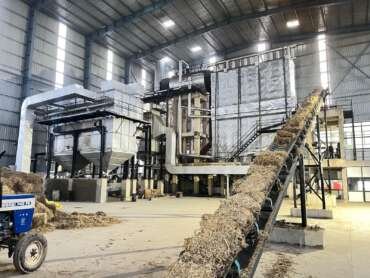
Biomass boilers for grain units are becoming a critical energy solution as the grain processing industry prepares for stricter regulations and rising fuel costs in 2026.
The grain processing industry has traditionally been conservative when it comes to energy systems. For decades, boilers were viewed as background infrastructure—installed once, adjusted occasionally, and replaced only when breakdowns became unavoidable. Decision-making focused heavily on production volume, throughput, and machinery output, while energy systems were treated as fixed utilities rather than strategic assets.
This approach made sense in an era where fuel costs were relatively stable, environmental scrutiny was limited, and competition within the agro-processing sector was less intense. However, the operating environment for grain processing units has changed significantly.
That mindset is no longer viable.
As the industry moves toward 2026, grain processing units across India—particularly rice mills, wheat flour mills, maize processors, and integrated agro-processing plants—are reassessing how energy decisions influence cost structures, regulatory compliance, operational continuity, and long-term competitiveness. Energy is no longer a background cost; it has become a decisive factor in profitability and resilience.
The growing shift toward biomass boilers is not driven by environmental narratives alone. While sustainability is an important consideration, the real push comes from operational pressure points that plant owners can no longer afford to ignore:
- Escalating and unpredictable fuel costs
- Increasing dependency on fragile fuel supply chains
- Tighter environmental and emission regulations
- Growing scrutiny from institutional buyers and auditors
- Rising competition within the agro-processing industry
Biomass boilers are emerging as a strategic energy solution, not an experimental or secondary alternative. By 2026, they are expected to form the backbone of steam generation for a significant portion of India’s grain processing sector, particularly in regions where agro-residue availability is high.
This article explores the deeper reasons behind this transition, examining economic, operational, regulatory, and strategic factors that are accelerating the adoption of biomass boilers in grain processing units.
1. The Central Role of Steam in Grain Processing Operations
Steam is the invisible driver behind almost every major grain processing operation. While equipment such as polishers, dryers, graders, separators, and conveyors are physically prominent on the shop floor, it is steam that governs process stability, moisture control, and final product quality.
Why Steam Quality Matters More Than Machinery
In grain processing, even minor deviations in steam pressure or temperature can have cascading effects. Unlike discrete mechanical failures, steam-related inefficiencies often go unnoticed until output quality deteriorates or fuel costs spike.
Core Applications of Steam in Grain Processing
- Paddy parboiling, where precise temperature and pressure determine grain strength and breakage ratio
- Grain drying and conditioning, critical for moisture balance and shelf life
- Moisture stabilization, especially in flour and maize processing
- Cleaning and sanitation, essential for food-grade compliance
- Thermal processing, such as soaking, steaming, and sterilisation
Impact of Inconsistent Steam Supply
Inconsistent steam pressure or temperature variations can result in:
- Uneven grain quality and colour variation
- Higher breakage rates during milling
- Reduced output efficiency per shift
- Increased reprocessing and wastage
As grain processing units scale operations to meet rising domestic and export demand, energy consistency becomes as important as energy cost. This shift in perspective is one of the earliest and strongest drivers pushing plants toward more predictable energy systems such as biomass boilers.
2. Traditional Boiler Fuels: Growing Operational Constraints
For many years, coal and liquid fuels such as furnace oil (FO) and light diesel oil (LDO) were the default choices for grain processing units. These fuels offered familiarity, established supply networks, and straightforward boiler designs. However, what once felt reliable is now increasingly restrictive.
Coal-Based Boilers: Declining Viability
Coal remains widely used across agro-industries, but its drawbacks are becoming more pronounced with each passing year:
- Inconsistent fuel quality leading to unstable combustion
- High ash generation, increasing disposal and handling costs
- Rising logistics and transportation expenses
- Increasing scrutiny under emission and pollution norms
Coal-fired boilers also struggle with load flexibility. Grain processing operations often experience fluctuating steam demand depending on season, crop quality, and production schedules. Coal systems respond slowly to these changes, making it difficult to maintain stable steam conditions.
Liquid Fuels: Convenience at a Cost
Furnace oil and LDO offer ease of ignition and simpler operation, but this convenience comes at a significant cost:
- Highly volatile pricing linked to global crude markets
- Long-term operational cost inefficiency
- Increasing regulatory and environmental restrictions
For grain processors operating on tight margins, liquid fuels are becoming a source of financial uncertainty rather than operational security.
3. Biomass Boilers: A Natural Extension of Agro-Based Energy Systems
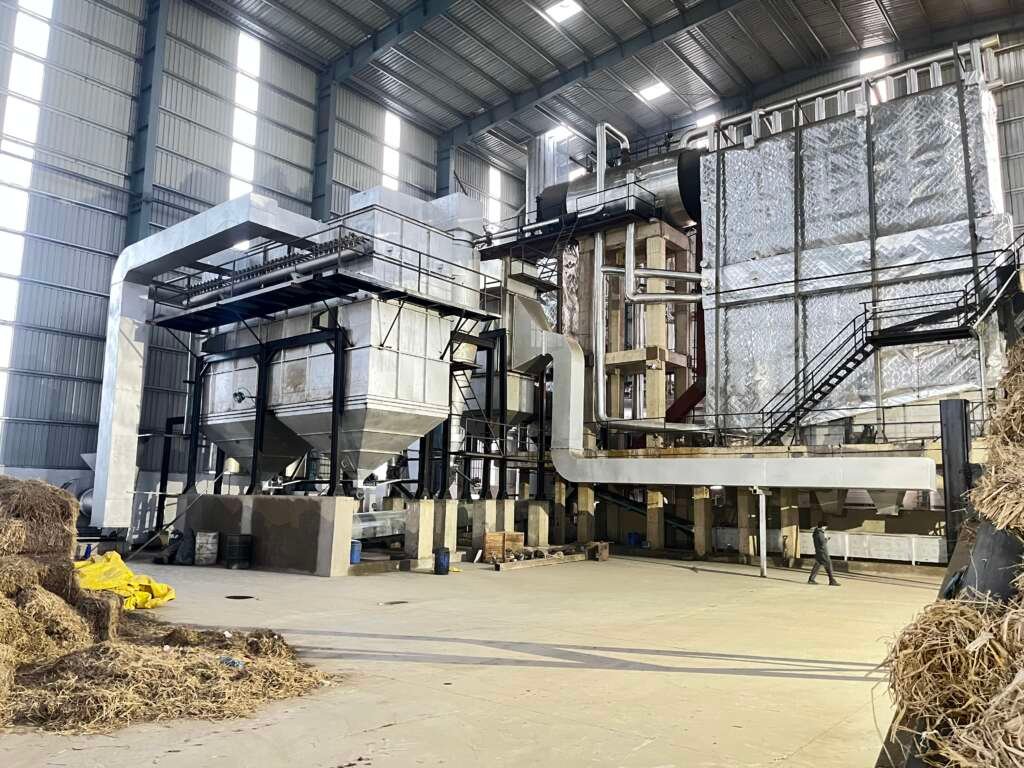
Biomass boilers align inherently with agro-industrial operations because they are fuelled by agricultural by-products. Unlike fossil fuels, biomass is renewable, locally available, and closely tied to the agricultural ecosystem.
Common Biomass Fuels Used in Grain Processing
- Paddy husk generated from rice milling
- Agro-residue such as stalks and shells
- Biomass briquettes and pellets
- Process-generated organic waste
In many cases, grain processors already handle these materials daily. This reduces the learning curve, simplifies fuel logistics, and allows plants to integrate energy generation with existing material flows.
Biomass boilers transform what was once considered waste into a reliable and monetisable energy resource, improving both economic efficiency and environmental outcomes.
Blog about biomass fuel challenges
👉https://maanyaboilers.co.in/parali-as-boiler-fuel-challenges-solutions/
4. Cost Economics: The Primary Driver of Adoption
Cost optimisation is the most compelling reason grain processing units are shifting toward biomass boilers. Unlike short-term savings, biomass offers structural cost advantages.
Lower Fuel Cost Per Unit of Steam
Biomass fuels typically provide:
- Lower cost per thermal unit compared to fossil fuels
- Greater pricing stability at the regional level
- Reduced dependency on international fuel markets
For medium to large processing units, even a modest reduction in fuel cost per ton of steam can translate into substantial annual savings, especially during peak operating seasons.
Long-Term Cost Predictability
Biomass fuel pricing tends to be less volatile than coal or oil. This allows plant owners to:
- Forecast operating expenses more accurately
- Plan production costs with greater confidence
- Reduce exposure to sudden fuel price shocks
Predictability becomes especially valuable in industries where margins are influenced by crop prices and seasonal demand.
5. Steam Stability and Process Control Advantages
Modern biomass boilers are engineered for controlled combustion and steady steam generation, addressing one of the most critical pain points in grain processing.
Benefits of Stable Steam Output
- Consistent steam pressure across shifts
- Improved thermal efficiency
- Reduced fuel wastage and heat loss
Stable steam directly improves:
- Product consistency and grading
- Equipment lifespan due to reduced thermal stress
- Production planning accuracy and shift scheduling
For grain processors, reliability often outweighs marginal fuel savings. Biomass boilers deliver both reliability and efficiency, making them a preferred choice.
6. Environmental Compliance: From Optional to Essential
Environmental compliance is no longer a distant concern for agro-industrial units. Regulatory oversight is increasing, particularly for plants located near:
- Urban and semi-urban zones
- Export-oriented processing hubs
- Food-grade manufacturing clusters
How Biomass Boilers Support Compliance
- Lower net carbon emissions compared to fossil fuels
- Reduced reliance on non-renewable energy sources
- Compatibility with modern emission control systems
Plants adopting biomass boilers proactively position themselves for future regulatory tightening, avoiding rushed and costly retrofits later.
Industrial boiler emissions are monitored under guidelines issued by the Central Pollution Control Board (CPCB), which continues to tighten standards for thermal energy systems across India.
7. The Circular Economy Advantage in Grain Processing
Grain processing generates significant organic by-products that require handling or disposal. Biomass boilers allow plants to:
- Convert waste into usable thermal energy
- Reduce waste management and disposal costs
- Improve overall resource efficiency
This circular approach strengthens:
- ESG compliance
- Buyer and auditor confidence
- Long-term sustainability metrics
As supply chains increasingly prioritise sustainability, this advantage becomes commercially meaningful, not just reputational.
8. Operational Reliability During Peak Demand Cycles
Peak season exposes weaknesses in energy systems faster than any audit or inspection.
Common Peak-Season Challenges
- Fuel shortages and delayed deliveries
- Boiler overload and inefficiency
- Unplanned downtime affecting delivery schedules
Biomass boilers, when properly designed, offer:
- Local fuel sourcing flexibility
- Continuous operation capability
- Reduced dependency on external logistics
This reliability directly protects revenue continuity and contractual commitments.
9. Technological Evolution of Modern Biomass Boilers
Today’s biomass boilers are fundamentally different from earlier generations.
Key Design Advancements
- Automated fuel feeding systems
- Optimised combustion chamber geometry
- Advanced ash handling mechanisms
- Integrated safety and control systems
These improvements significantly reduce:
- Manual intervention
- Maintenance frequency
- Operational risk
Modern biomass boilers are engineered for industrial reliability, not experimental deployment.
10. Maintenance, Downtime, and Lifecycle Performance
Maintenance costs and downtime play a decisive role in long-term profitability.
Biomass boilers offer:
- Simplified maintenance routines
- Fewer emergency shutdowns
- Longer service intervals
With proper operation and servicing, they deliver consistent lifecycle performance, minimising unexpected disruptions.
11. Total Cost of Ownership: The Deciding Metric
Progressive grain processors evaluate energy systems based on total cost of ownership rather than upfront price.
Key TCO Components
- Capital expenditure
- Fuel expense over time
- Maintenance and spares
- Compliance and monitoring costs
- Downtime-related losses
When assessed holistically, biomass boilers consistently demonstrate:
- Lower lifetime operating cost
- Better scalability for capacity expansion
- Higher return on investment
12. Why Biomass Boilers for Grain Units Are Becoming Essential by 2026
Several converging forces make 2026 a decisive year for energy transitions:
- Stricter emission regulations
- Ongoing fuel supply uncertainties
- ESG-linked procurement standards
- Intensifying competition within agro-processing
Plants that upgrade early gain:
- Cost leadership
- Compliance readiness
- Stronger market credibility
Late adopters risk rushed decisions and higher long-term costs.
13. Risk Mitigation Through Early Transition
Early adoption of biomass boilers allows:
- Gradual system integration
- Better vendor and technology selection
- Operational learning curves
- Reduced transition risk
By 2026, biomass boilers are likely to become the industry baseline, not a differentiator.
14. Strategic Planning Considerations Before Switching
Before transitioning, grain processing units must carefully evaluate:
- Accurate steam demand analysis
- Fuel availability, storage, and logistics
- Boiler design suitability for process needs
- After-sales service and support infrastructure
A well-planned transition ensures long-term operational success.
15. Biomass Boilers as a Competitive Advantage
Beyond cost and compliance, biomass boilers enhance:
- Brand and operational credibility
- Buyer and partner confidence
- Export readiness and audit performance
Energy decisions increasingly influence how plants are perceived within modern supply chains.
16. Integration with Future Energy Technologies
Biomass boilers can be integrated with:
- Waste heat recovery systems
- Hybrid energy solutions
- Digital monitoring and optimisation tools
This flexibility supports long-term modernisation strategies.
17. Workforce and Operational Simplicity
Automation in modern biomass boilers reduces:
- Dependence on highly specialised labour
- Operator fatigue and error
- Training complexity
Simpler operation contributes to consistent plant performance.
18. Lessons from Early Adopters in the Grain Industry
Grain processing units that adopted biomass boilers earlier report:
- Improved cost control
- More consistent steam quality
- Reduced operational stress
Their experience reinforces the commercial and operational viability of biomass systems.
Conclusion: Biomass Boilers Are Becoming an Industry Standard
The shift toward biomass boilers in grain processing units is no longer speculative—it is structural.
By 2026, biomass boilers will represent:
- Strategic energy planning
- Cost-efficient operations
- Environmental responsibility
- Long-term competitiveness
For grain processors focused on sustainable and resilient growth, biomass boilers are not merely an option—they are a foundation.
India-Specific Regulatory and Policy Landscape Driving the Shift to Biomass Boilers
One of the most under-discussed—but decisive—reasons behind the rapid shift toward biomass boilers in India’s grain processing industry is regulatory pressure. Unlike earlier decades, environmental and energy regulations today directly influence operational continuity, plant approvals, and even buyer eligibility.
For grain processing units, compliance is no longer a paperwork exercise. It affects:
- Day-to-day operations
- Expansion approvals
- Financial viability
- Buyer audits and contracts
As India moves closer to 2026, regulatory frameworks are tightening in ways that make biomass boilers a safer and more future-ready choice compared to fossil-fuel-based systems.
1. Evolving Emission Norms for Industrial Boilers in India
India’s environmental governance has undergone a significant shift over the last decade. Regulatory bodies have moved from broad guidelines to measurable, enforceable emission standards, particularly for industrial boilers.
Grain processing units fall under the category of high thermal energy consumers, which places their boiler systems under regular scrutiny.
Key regulatory expectations now include:
- Control of particulate matter (PM) emissions
- Reduction of visible smoke and fly ash
- Monitoring of stack emissions
- Compliance with region-specific pollution thresholds
Coal-fired boilers, especially older installations, struggle to meet these expectations without costly retrofits. Biomass boilers, when designed with appropriate combustion and emission control systems, offer greater regulatory alignment by default.
2. Role of Central and State Pollution Control Authorities
Regulatory oversight in India operates at both central and state levels.
- Central Pollution Control Board sets baseline standards and national policies
- State Pollution Control Boards enforce compliance at the plant level
Grain processing units increasingly face:
- Surprise inspections
- Stack emission testing
- Mandatory reporting requirements
- Consent-to-Operate (CTO) renewals
Plants relying on coal or furnace oil often face:
- Conditional approvals
- Shorter consent periods
- Mandatory emission control upgrades
Biomass boiler installations, especially newer ones, are more likely to:
- Receive smoother approvals
- Qualify for longer consent validity
- Face fewer compliance objections
This regulatory advantage alone is pushing many grain processors to pre-emptively transition rather than wait for enforcement actions.
3. Regional Sensitivity: Why Location Matters More Than Ever
India’s regulatory enforcement is not uniform. Grain processing units located in or near:
- Urban clusters
- Semi-urban industrial belts
- Food-processing hubs
- Export-oriented zones
face stricter enforcement compared to remote industrial areas.
In states with dense agro-processing activity, pollution boards are increasingly:
- Limiting coal boiler approvals
- Discouraging high-emission fuels
- Recommending cleaner alternatives
Biomass boilers benefit from being perceived as locally appropriate and environmentally aligned, particularly in agro-dominated regions where biomass fuel sourcing is natural.
4. ESG, Buyer Audits, and Indirect Regulatory Pressure
Not all regulatory pressure comes from government bodies.
Large institutional buyers, exporters, and food brands increasingly demand ESG compliance across their supply chains. Grain processors supplying to such buyers are now required to demonstrate:
- Responsible energy sourcing
- Reduced environmental impact
- Compliance with sustainability benchmarks
These audits often examine:
- Boiler fuel type
- Emission control practices
- Energy efficiency metrics
Coal-based systems frequently trigger corrective actions, while biomass boilers align more naturally with ESG expectations.
This form of market-driven regulation is subtle but powerful—and is accelerating biomass adoption faster than formal laws alone.
5. Government Push Toward Renewable and Agro-Based Energy
India’s broader energy policy direction also plays a role.
The government has consistently signalled support for:
- Renewable energy adoption
- Waste-to-energy initiatives
- Reduction in fossil fuel dependence
- Utilisation of agricultural residue
Biomass boilers sit at the intersection of energy policy and agricultural economics, making them strategically aligned with national priorities.
While grain processors may not always receive direct subsidies, biomass-based systems benefit indirectly through:
- Easier approvals
- Policy encouragement
- Reduced resistance during inspections
This alignment reduces long-term regulatory risk.
6. Compliance Costs: Hidden but Significant
Regulatory compliance is not just about meeting standards—it has a cost dimension.
Coal and oil-based boiler systems often require:
- Additional pollution control equipment
- Higher maintenance to meet norms
- Frequent monitoring and testing
- Penalties or corrective mandates
These hidden costs accumulate over time and are rarely accounted for during initial boiler selection.
Biomass boilers, when designed correctly, reduce:
- Compliance-related expenditure
- Inspection-related downtime
- Risk of penalty notices
For grain processors, this translates into lower regulatory friction and better operational predictability.
7. Consent Renewals and Expansion Approvals
Many grain processing units are planning:
- Capacity expansion
- Product diversification
- New plant installations
Energy systems play a crucial role in approval timelines.
Plants proposing:
- Coal-based boiler expansions
- High-emission fuel systems
often face:
- Longer approval cycles
- Additional documentation requirements
- Conditional clearances
Biomass boiler proposals typically encounter fewer regulatory objections, accelerating project timelines.
For growing businesses, this difference can determine time-to-market success.
8. Why Waiting Is Riskier Than Transitioning
One of the biggest misconceptions among grain processors is that regulatory pressure can be “managed later.”
In reality:
- Regulations tighten gradually, then suddenly
- Enforcement intensity varies by region and year
- Retrofitting under pressure is expensive and disruptive
By transitioning to biomass boilers ahead of enforcement deadlines, plants:
- Avoid emergency upgrades
- Spread transition costs over time
- Maintain operational continuity
By 2026, regulatory tolerance for high-emission boiler systems is expected to reduce further—making early action strategically sound.
9. Biomass Boilers as a Compliance Insurance Strategy
For many grain processors, biomass boilers are no longer just an energy choice—they are a compliance insurance mechanism.
They provide:
- Regulatory peace of mind
- Reduced inspection anxiety
- Better alignment with future norms
In an environment where compliance failures can halt operations, this assurance has real commercial value.
Why This Regulatory Reality Matters for Grain Processors
The Indian regulatory environment is not moving backward. It is becoming:
- More structured
- More data-driven
- More enforcement-oriented
Grain processing units that align their energy systems with this reality gain:
- Stability
- Predictability
- Strategic freedom
Biomass boilers, in this context, are not merely cleaner—they are regulation-resilient.
Q: Why are grain processing units switching to biomass boilers?
Answer: Grain processing units are switching to biomass boilers to reduce fuel costs, improve steam reliability, meet environmental norms, and gain long-term operational stability.
Q: Are biomass boilers suitable for rice mills?
Answer: Yes, biomass boilers are highly suitable for rice mills due to steady steam demand, availability of biomass fuels like husk, and lower operating costs.
Q: Is biomass fuel reliable for industrial boilers?
Answer: When sourced locally and paired with proper boiler design, biomass fuel provides consistent and reliable performance for industrial boilers.
No responses yet