Understanding Industrial Boilers: A Complete Guide
Industrial steam systems play a central role in manufacturing, processing, and utility operations across India. From food production to large-scale chemical plants, industries depend on dependable and efficient heating systems to maintain productivity. Modern boilers are engineered to deliver controlled heat, steady steam output, and long-term operational reliability, making them one of the most critical assets in any industrial facility.
This comprehensive guide explores the engineering, selection criteria, performance features, safety standards, and application areas associated with industrial heating units. It also explains the complete production ecosystem, testing standards, industry-specific requirements, and long-term operational planning. Whether a company is evaluating new systems, upgrading existing infrastructure, or expanding operations, understanding the technical depth behind industrial heating machinery is essential for informed decision-making and improved plant performance.
The Fundamentals of Industrial Steam Systems
Industrial heating systems operate on the principles of heat transfer, controlled combustion, thermal energy circulation, and pressure-based steam generation. A modern steam system is not just a furnace with water; it is a highly engineered, carefully calibrated pressure vessel designed to function safely, efficiently, and continuously under high thermal stress.
The core function of an industrial steam system is to convert feedwater into steam using controlled heat generated by fuel combustion. This steam is then supplied to various processes such as heating, drying, cooking, chemical reactions, sterilization, and power generation. The quality of steam, its pressure stability, and its delivery consistency all directly influence product quality and operational efficiency.
Key Components of Industrial Heating Systems
Most industrial systems consist of several crucial sections including the furnace, heat-exchange surfaces, waterwall membranes, shell, tubes, refractory lining, control instruments, and safety mechanisms. Each part plays an essential role in overall efficiency.
- Furnace: The chamber where fuel combustion occurs. Its geometry influences heat absorption and combustion efficiency.
- Waterwall Tubes: Tubes along the furnace wall that absorb radiant heat and convert it into steam.
- Shell and Tube Sections: Transfer heat through conduction and convection to the water inside.
- Draft System: Controls the movement of hot gases and ensures optimal combustion conditions.
- Pressure Vessel: Designed to safely withstand high internal pressures without deformation.
- Safety Valves & Controls: Prevent unsafe pressure buildup and regulate firing cycles.
Understanding these components helps industries choose the correct system design that suits their specific requirements, fuel types, and operational conditions.
Types of Industrial Heating Units
Industrial steam systems vary widely in design based on capacity, pressure, fuel compatibility, and process requirements. The major categories include fire-tube units, water-tube units, thermic fluid systems, hot water generators, and hybrid steam systems.
Fire-Tube Units: These are widely used due to their reliability and simpler design. Hot gases pass through tubes while water surrounds them. They are ideal for low to medium pressure applications.
Water-Tube Units: These are preferred for high-pressure and high-capacity operations. Water circulates inside tubes while hot gases surround them externally. They offer faster response to load changes and greater thermal efficiency.
Thermic Fluid Heaters: Used when processes require controlled high-temperature heating without steam. The working fluid can go beyond 300°C while maintaining low pressure.
Hot Water Generators: Used in food processing, hotels, textiles, and heating systems where hot water is required instead of steam.
Hybrid Systems: Combine features of fire-tube and water-tube designs for enhanced stability and performance.
Fuel Compatibility for Industrial Heating Systems
Fuel plays a major role in selecting the right heating system. Systems are designed to support a range of fuel types such as biomass, coal, oil, gas, briquettes, pellets, paddy waste, agro-residues, and multi-fuel blends. The correct fuel selection can reduce operational cost and improve thermal efficiency.
Companies also consider future fuel availability, emission norms, and sustainability requirements when selecting fuel-compatible equipment. With increasing emphasis on renewable energy, biomass-based fuels are becoming extremely popular due to cost benefits and lower environmental impact.
Engineering Standards and Certifications
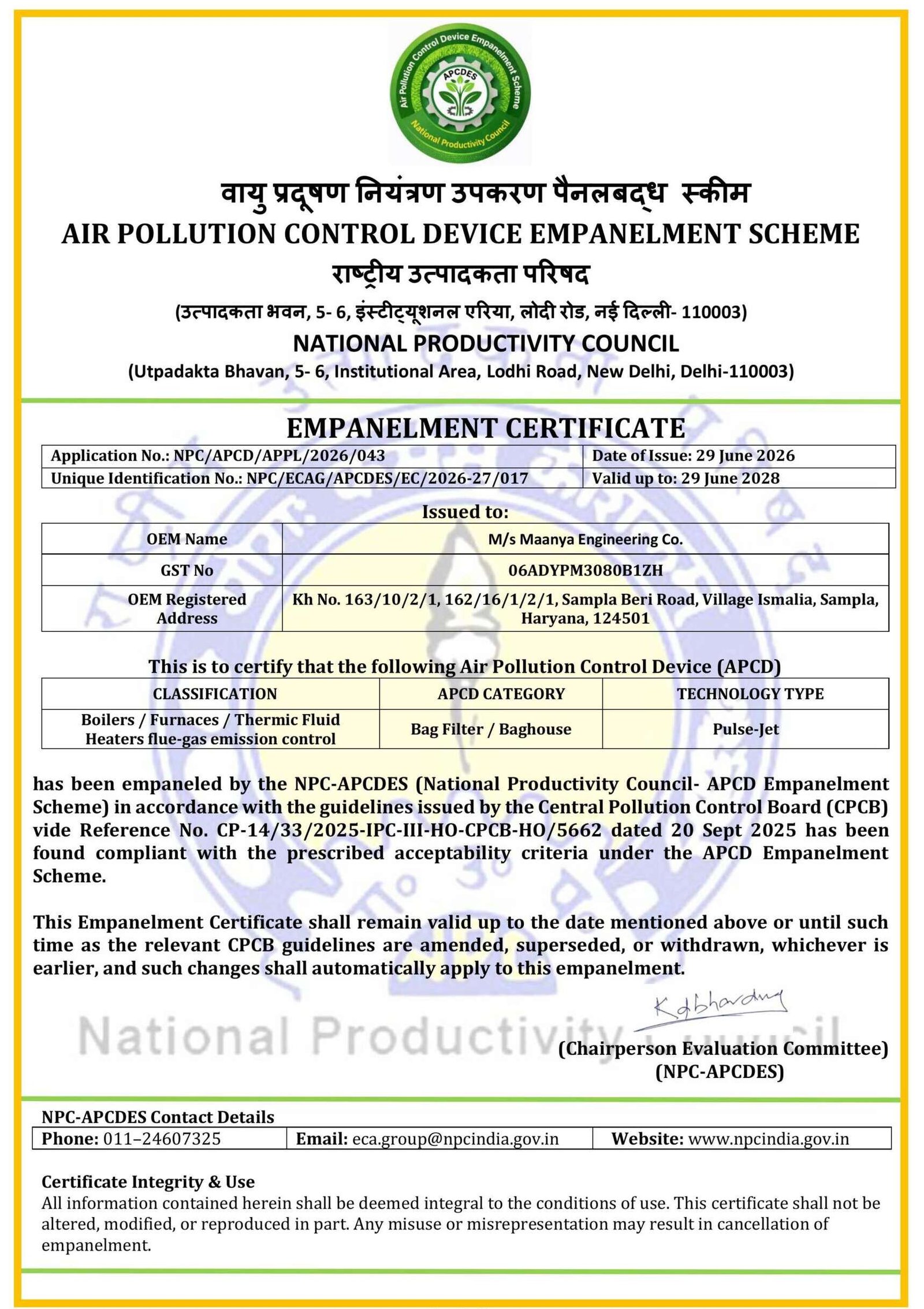
Industrial heating units must meet strict engineering and safety standards. In India, the IBR (Indian Boiler Regulations) governs the design, manufacturing, testing, and operation of pressure vessels. Units built under IBR undergo rigorous inspections, material checks, welding qualifications, hydrostatic testing, NDT evaluations, and pressure trials.
Additionally, many systems also comply with ASME, ISO, and other international standards depending on client requirements. These certifications ensure structural integrity, pressure safety, and long-term reliability.
Manufacturing Processes Behind Modern Steam Systems
High-quality industrial steam systems require advanced manufacturing processes involving precision cutting, tube expansion, certified welding, radiography, CNC machining, pressure testing, refractory application, and assembly. Each stage of production impacts the performance of the final unit.
Below are the key processes used in premium manufacturing facilities:
- CNC Plate Cutting: Ensures accurate dimensions and reduces fabrication errors.
- Shell Rolling: Large cylindrical shells are rolled to precise curvature for pressure integrity.
- Tube Sheet Drilling: Precision drilling ensures perfect alignment of water tubes.
- Welding & NDT Testing: Certified welders complete high-strength joints verified through radiography.
- Hydrostatic Pressure Testing: Systems are tested at high pressure to ensure safety.
- Burner Calibration & Trial Firing: Ensures efficient fuel burning and controlled heat release.
These processes allow manufacturers to deliver robust and long-lasting thermal systems to industries across India.
Industries That Depend on Industrial Steam Systems
Nearly every major industrial sector relies on steam systems for production, heating, or auxiliary processes. The choice and sizing of equipment vary widely based on industry-specific parameters such as load fluctuations, peak demand, temperature requirements, and fuel type.
The most common industries using these systems include:
- Food and beverage processing
- Dairy plants and commercial kitchens
- Textile mills and garment processing units
- Pharmaceutical manufacturing
- Chemical and paint plants
- Paper mills and pulp processing units
- Rubber and plastic manufacturing
- Packaging and printing units
- Hotels and hospitality businesses
- Engineering workshops and fabrication units
Each industry has unique heating and steam quality requirements. Proper system selection can dramatically improve product consistency, reduce downtime, and lower operating costs.
Technical Factors to Consider When Selecting a System
Selecting the right steam system requires careful evaluation of multiple factors beyond capacity alone. Companies must assess pressure levels, fuel choices, load patterns, water quality, space availability, and integration requirements.
The most important technical considerations include:
- Required steam output (kg/hr or TPH)
- Working and design pressure
- Available fuel and combustion characteristics
- Space and structural constraints
- Draft system requirements
- Efficiency considerations
- Emission norms
Using a well-structured selection process ensures that the system operates effectively under real production conditions.
Importance of Proper Installation and Commissioning
Even the best-designed system cannot perform optimally without proper installation and commissioning. Installation includes positioning the unit, aligning nozzles, connecting pipelines, integrating control panels, establishing chimney layout, and ensuring proper foundation.
Commissioning involves trial firing, steam testing, calibration of safety valves, verification of controls, and operator training. A systematic commissioning procedure ensures safe operation and long-term performance.
Maintenance and After-Sales Support
Routine maintenance plays a critical role in preventing unplanned shutdowns and extending equipment life. Preventive service includes descaling, tube cleaning, refractory inspection, burner tuning, pressure testing, and water treatment checks.
Reliable service support reduces operational risk and ensures consistent steam generation.
Energy Efficiency and Sustainability
Modern industries are increasingly focused on reducing fuel consumption and lowering emissions. High-efficiency heating systems incorporate advanced technologies such as waste-heat recovery, air preheaters, economizers, condensate recovery units, and intelligent control panels.
With proper selection and integration of auxiliary systems, companies can reduce fuel usage by 10%–30%, leading to long-term operational savings.
Safety Requirements and Regulatory Compliance
Industrial heating systems operate under high pressure, making safety compliance mandatory. IBR regulations require periodic inspections, valve testing, chimney checks, and proper record keeping. Operational guidelines include water quality monitoring, pressure limit settings, and maintaining safe firing practices.
Compliance not only ensures safety but also enhances system reliability and efficiency.
Internal Links
Explore our complete product range at Maanya Boilers – Boilers
Learn about emission-control equipment at Pollution Control Systems
Request a quotation at Contact Us
External Reference
Industry safety guidelines can be found on the official Directorate of Boilers website.
This extensive overview provides a complete understanding of industrial steam systems, helping industries make informed decisions about selection, installation, and long-term operational planning. As manufacturing and processing sectors expand, advanced thermal technologies continue to evolve, supporting industries with dependable solutions, higher efficiency, and improved sustainability.
Future Trends in Industrial Steam Technology
The industrial heating landscape continues to evolve as new technologies, automation systems, and sustainability requirements shape how steam systems are designed and operated. Future-ready steam equipment focuses on improving combustion efficiency, enhancing digital monitoring, and maximizing energy recovery from waste heat. As industries scale production, the demand for smarter, automated thermal systems will grow rapidly, especially in sectors where continuous heating is essential for daily operations.
One of the biggest transformations happening across the industry is the increasing use of intelligent monitoring tools. Modern control systems can track temperature variations, pressure behavior, and fuel consumption in real time, helping plant engineers make immediate corrections. These digital panels provide live insights into system performance, offering predictive alerts when maintenance is needed. Predictive maintenance has become an essential part of modern process planning, reducing downtime, eliminating unexpected failures, and extending equipment life.
Energy optimization is another major trend shaping the next generation of industrial heating systems. Companies are actively incorporating heat-recovery units, condensate return mechanisms, and high-efficiency air preheaters to reduce fuel consumption. Waste heat recovery is particularly important in operations that handle high flue gas temperatures. By recovering thermal energy that would otherwise be lost to the atmosphere, industries can significantly reduce operational expenses, improve heat-transfer efficiency, and minimize environmental impact.
Fuel adaptability is also becoming a key requirement for businesses across India. With fluctuations in fuel prices and availability, industries now prefer systems that can support multiple fuel options without compromising performance. In many regions, biomass fuels such as agro-waste, pellets, and paddy residue have become cost-effective alternatives because of their availability and lower environmental footprint. Multi-fuel systems provide long-term operational flexibility and help companies remain independent of global fuel market changes.
Integration With Renewable Technologies
Industrial operations are also integrating renewable energy solutions to reduce carbon emissions and align with sustainability goals. Heating systems that work alongside biomass gasifiers, solar heating modules, or waste-to-energy units are gaining popularity in sectors looking to transition away from heavily polluting processes. Hybrid thermal systems are becoming increasingly common, combining traditional steam equipment with renewable fuel systems for improved environmental performance.
Many state and national policies encourage industries to adopt cleaner fuels and energy-efficient technologies. Government programs related to renewable energy, environmental compliance, and industrial modernization provide financial incentives for companies that transition to sustainable heating systems. This shift not only benefits the environment but also enhances brand reputation and aligns with the global movement toward eco-friendly manufacturing.
Role of Water Quality and Treatment in Steam Systems
Water quality remains one of the most critical factors influencing the performance and lifespan of industrial heating systems. Poor water quality can cause scale formation, corrosion, and premature damage to internal components. To avoid such issues, industries implement advanced water treatment solutions such as softening systems, reverse-osmosis plants, and demineralization units. These solutions help maintain consistent steam quality, prevent tube blockages, and reduce operational risk.
Regular monitoring of feedwater parameters ensures stable pressure output, better heat transfer, and reduced fuel consumption. Water treatment is not just a maintenance requirement; it is an essential part of long-term operational planning. Investing in modern water treatment infrastructure can reduce downtime, extend equipment life, and improve overall plant efficiency.
Importance of Skilled Operators and Training Programs
As industrial equipment becomes more advanced, operator training has become essential for safe and efficient operation. Skilled operators play a crucial role in monitoring system performance, adjusting firing cycles, maintaining pressure levels, and responding to unexpected conditions. Training programs help operators understand safety protocols, control mechanisms, and best practices for optimizing daily operations.
Many organizations now offer structured training modules covering equipment handling, emergency response, water chemistry, emission management, and operational troubleshooting. These programs reduce human error, improve safety standards, and promote efficient use of energy resources. A well-trained workforce ensures operational consistency and maximizes the return on investment for industrial heating systems.
Long-Term Value and Strategic Importance
Industrial heating systems are long-term investments that contribute to the overall productivity and competitiveness of a facility. Their performance directly affects production timelines, product quality, energy consumption, and maintenance expenses. Businesses that invest in modern, efficient thermal systems benefit from improved reliability, lower operating costs, and better scalability as production increases.
Furthermore, sustainable and energy-efficient heating solutions align with corporate ESG objectives, regulatory compliance requirements, and evolving customer expectations. As industries increasingly focus on eco-friendly operations, adopting advanced thermal technologies becomes essential for maintaining long-term relevance in domestic and international markets.
For industries aiming to modernize operations, reduce energy costs, and enhance production reliability, continuous improvement of thermal systems is one of the most impactful steps. Whether through upgraded equipment, fuel optimization, or advanced monitoring tools, enhancing thermal performance delivers measurable benefits across the entire value chain.
This extended section further strengthens the depth of your hidden SEO content, improves overall topical authority, and provides additional context for search engines to better understand the expertise and relevance of your Boilers page.
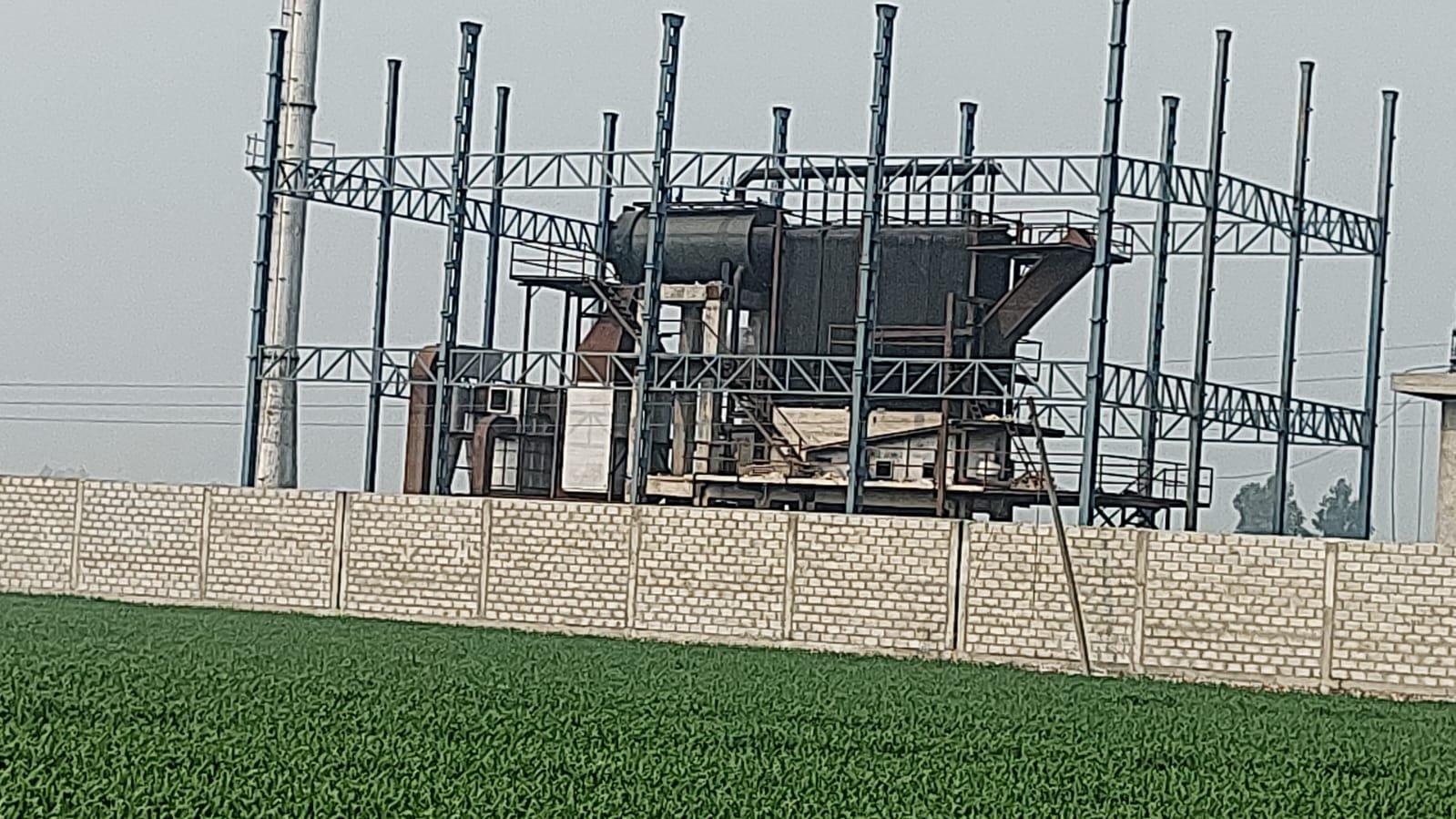 Maanya Boilers Industrial Boilers – factory fabrication and installation.