
Introduction: Why Industrial Boiler Technology Has Continuously Evolved
The industrial boiler has never been a static piece of equipment. Its evolution mirrors the growth of industrialisation itself — responding to changing fuel availability, rising energy costs, safety expectations, regulatory pressure, and sustainability demands. Understanding the timeline of industrial boiler technology evolution from coal to biomass helps industries make better decisions today.
In early industrial India, coal-powered boilers enabled mass production and mechanisation. Over time, industries experimented with oil, diesel, and gas to improve operational control. Today, the transition toward biomass and hybrid boiler systems represents the most advanced stage of this evolution — driven by economics, environmental responsibility, and long-term energy security.
This detailed timeline explains how industrial boiler technology progressed decade by decade, and how engineering-driven manufacturers like Maanya Boilers Pvt. Ltd. have aligned their solutions with this journey — from traditional coal systems to modern biomass and multi-fuel boilers.
Phase 1: Coal-Fired Boilers — The Foundation of Industrial Growth (1900–1960)
Early Coal Boiler Systems
Coal was the first fuel to power large-scale industrial boilers. It was widely available, energy-dense, and suitable for producing large volumes of steam. Early boiler designs were simple, rugged, and manually operated.
Key characteristics:
- Fire-tube boiler construction
- Manual coal feeding
- Natural draft chimneys
- Minimal safety instrumentation
- Efficiency levels of only 50–60%
These systems powered:
- Textile mills
- Sugar factories
- Paper plants
- Heavy engineering workshops
Despite inefficiency, coal boilers laid the groundwork for industrial steam systems.
Phase 2: Mechanisation & Safety Awareness in Coal Boilers (1960–1980)
As industrial output increased, boiler accidents and failures highlighted the need for improved safety and consistency. This era introduced fundamental engineering discipline.
Technological Improvements
- Thicker pressure shells
- Certified welding practices
- Safety valves & water level gauges
- Chain grate and travelling grate systems
Coal combustion became more controlled, and manual labour was reduced. Efficiency improved slightly, but ash handling and pollution remained major challenges.
Phase 3: Entry of Oil & Diesel Boilers (1980–1995)
Why Industries Shifted Away from Coal
Urbanisation, labour constraints, and fuel logistics encouraged industries to explore liquid fuels such as:
- Diesel
- Furnace oil (FO)
- Light diesel oil (LDO)
Boiler Technology Changes
- Burner-based combustion
- Automated ignition
- Improved pressure control
- Compact boiler house layouts
Oil-fired boilers offered cleaner operation and better control than coal systems.
Limitations Discovered
- High and volatile fuel cost
- Import dependency
- Unsustainable long-term economics
This phase taught industries that operational convenience alone is not enough — fuel cost stability matters.
Phase 4: Gas Boilers & Automation Era (1995–2008)
Rise of Gas-Fired Systems
With pipeline infrastructure expanding, gas-fired boilers gained popularity in:
- Pharmaceuticals
- FMCG
- Food processing
- Healthcare
Advantages:
- Clean combustion
- Minimal ash
- High automation
- Precise temperature control
Automation Becomes Standard
- PLC control panels
- Burner management systems
- Interlocks and alarms
- Improved safety compliance
However, gas supply limitations and rising costs restricted scalability for heavy steam applications.
Phase 5: Environmental Regulations Reshape Boiler Design (2008–2015)
Government bodies introduced stricter norms related to:
- Emissions
- Stack monitoring
- Pollution control equipment
- IBR compliance
Coal and oil boilers now required:
- Cyclones
- Bag filters
- Wet scrubbers
Compliance increased capital cost and operating complexity.
Phase 6: Biomass Enters Industrial Boiler Landscape (2015–2020)
Drivers for Biomass Adoption
- Rising fossil fuel prices
- Agro-residue availability
- Sustainability pressure
- Government encouragement
Biomass fuels included:
- Rice husk
- Wood chips
- Briquettes
- Agro waste
Early Biomass Challenges
- Variable moisture
- Inconsistent size
- High ash
- Poor combustion design
Early systems struggled — until engineering innovation caught up.
Phase 7: Modern Biomass & Hybrid Boiler Technology (2020–Present)
Engineering Breakthroughs
Modern biomass boilers now include:
- Reciprocating / pulsating grates
- Automated fuel feeding
- Optimised air distribution
- Advanced ash handling
- PLC-based automation
These advancements transformed biomass into a reliable, industrial-grade fuel.
Maanya Boilers’ Role in This Evolution
Aligned with this technological shift, Maanya Boilers Pvt. Ltd. designs and manufactures:
- Biomass boilers
- Hybrid multi-fuel boilers
- Custom furnace systems
- Integrated pollution control solutions
Their engineering approach focuses on:
- Fuel flexibility
- Long service life
- Thermal efficiency
- IBR compliance
Explore Maanya Boilers solutions:
https://maanyaboilers.co.in/boilers/
Fuel Cost Comparison Table (2025)
| Fuel Type | Approx Cost | Cost Stability | Emissions |
|---|---|---|---|
| Coal | ₹12,000–18,000 / ton | Medium | High |
| Diesel | ₹90–100 / litre | Low | High |
| Gas | ₹45–60 / SCM | Medium | Medium |
| Biomass | ₹2,500–4,000 / ton | High | Low |
Boiler Fuel Cost Savings Calculator
Inputs:
- Boiler capacity (TPH)
- Operating hours/day
- Fuel type
- Fuel cost
Output:
- Monthly fuel cost
- Annual savings using biomass
FAQ Block
Q1. Why did industries move away from coal boilers?
A. Rising fuel cost, emission regulations, ash handling challenges, and sustainability pressure.
Q2. Are biomass boilers reliable for continuous operation?
A. Yes, modern biomass boilers are engineered for continuous industrial duty.
Q3. What industries benefit most from biomass boilers?
A. Rice mills, textiles, food processing, FMCG, plywood, chemicals, and paper industries.
Why This Timeline Matters for Decision-Makers
The industrial boiler technology evolution timeline shows that biomass adoption is not a trend — it is the logical outcome of decades of engineering progress.
Industries that understand this evolution:
- Avoid outdated fuel choices
- Make future-ready investments
- Reduce operational risk
- Improve sustainability scores
Phase 8: Automation Transforms Boiler Operations (2000–2015)
As industries scaled and labour costs increased, automation became a defining milestone in industrial boiler technology evolution. Manual monitoring and operator dependency were no longer acceptable for modern plants running 24×7 operations.
Early Automation Systems
During the early 2000s, boiler automation focused on:
- Basic temperature control
- Pressure switches
- Alarm-based safety systems
Although limited, these systems reduced human error and improved repeatability.
Full PLC-Based Control Systems
By the late 2000s and early 2010s, PLC-based automation became standard in industrial boilers.
Key advancements included:
- Automatic feedwater control
- Fuel feeding automation
- Draft and air-flow control
- Interlocked safety shutdowns
- Data logging for performance tracking
These changes significantly improved:
- Steam stability
- Fuel efficiency
- Operator safety
- Predictable boiler behaviour
How Maanya Boilers Integrated Automation
Aligned with this shift, Maanya Boilers Pvt. Ltd. incorporated automation as a core design principle rather than an add-on.
Their systems include:
- Custom PLC logic for fuel type
- Automated combustion air control
- Safety interlocks meeting IBR norms
- Easy-to-use HMI panels for operators
Automation helped Maanya Boilers deliver systems that were:
- Safer
- More efficient
- Easier to operate
- Less dependent on operator skill
Phase 9: Evolution of Boiler Safety Systems (2005–2020)
Safety incidents across industries highlighted that steam generation requires engineering discipline, not just fuel efficiency.
Early Safety Limitations
In older coal and oil boilers:
- Safety valves were often poorly calibrated
- Water level control was manual
- Shutdowns relied on operator judgement
This led to:
- Tube failures
- Overpressure incidents
- Costly downtime
Modern Safety Architecture
Modern boilers now include:
- Dual safety valves
- Low-water cut-off systems
- Flame failure detection
- Pressure and temperature interlocks
- Emergency trip logic
These systems drastically reduced accident rates and increased regulatory confidence.
- Pressure relief
- Water level protection
- Flame monitoring
- Emergency shutdowns
- Alarm logging
Maanya Boilers’ Safety-First Design Philosophy
Maanya Boilers follows a safety-by-design approach:
- IBR-compliant pressure parts
- Certified safety components
- Pre-dispatch testing
- Commissioning safety validation
This philosophy reflects the company’s long-standing commitment to zero-compromise safety, as highlighted in their organisational timeline.
Phase 10: Water & Heat Recovery Technologies Gain Importance (2010–2020)
As fuel costs rose, industries realised that efficiency doesn’t end at the furnace. Heat recovery and water management became integral to boiler system design.
Key Innovations
- Economisers for feedwater heating
- Air pre-heaters to recover flue-gas heat
- Condensate recovery systems
- Improved blowdown management
These technologies reduced:
- Fuel consumption
- Freshwater usage
- Thermal losses
Impact of Heat Recovery
| System | Fuel Savings | Water Savings |
|---|---|---|
| Economiser | 5–8% | – |
| Air Pre-Heater | 3–5% | – |
| Condensate Recovery | – | 15–25% |
Maanya Boilers’ Integrated Approach
Maanya Boilers integrates:
- Energy-saving equipment
- Water treatment systems
- Heat recovery units
This ensures that boiler installations deliver system-level efficiency, not just combustion efficiency.
Related solutions:
https://maanyaboilers.co.in/energy-saving-equipment/
https://maanyaboilers.co.in/water-solution-equipment/
Phase 11: Pollution Control Equipment Becomes Mandatory (2012–Present)
Environmental compliance became non-negotiable as pollution norms tightened.
Earlier Situation
- Minimal emission monitoring
- Basic dust arrestors
- No continuous compliance tracking
Modern Pollution Control Systems
Today’s boiler systems use:
- Cyclone separators
- Bag filters
- Wet scrubbers
- Stack monitoring provisions
These systems are now integrated into boiler design, not treated as external accessories.
How Maanya Boilers Handles Emission Compliance
Maanya Boilers provides:
- Application-specific pollution control
- Integration with boiler draft systems
- Compliance-focused design
- Long-term service support
Explore solutions:
https://maanyaboilers.co.in/pollution-control-equipment/
Phase 12: Industry-Wise Boiler Technology Adoption Patterns
Different industries adopted new boiler technologies at different speeds.
Textile Industry
- Early coal adoption
- Shift to biomass for cost savings
- Strong adoption of heat recovery
Food & FMCG
- Oil and gas boilers initially
- Gradual shift to biomass hybrids
- High automation demand
Rice Mills & Agro Industries
- Rapid biomass adoption
- Local fuel availability advantage
- Circular economy alignment
Chemical & Pharma
- Higher safety and control standards
- Gradual biomass adoption with emission control
Industry vs Boiler Technology Evolution
| Industry | Old Tech | Current Tech |
|---|---|---|
| Textile | Coal | Biomass |
| FMCG | Diesel/Gas | Hybrid |
| Rice Mills | Coal | Biomass |
| Chemicals | Oil | Biomass + Control |
Phase 13: Ready Stock & Modular Boilers Change Project Timelines (2018–Present)
Another major milestone in boiler evolution is project execution speed.
Earlier:
- Long manufacturing lead times
- Extended commissioning periods
- Production delays
Now:
- Ready-stock boilers
- Modular designs
- Faster dispatch
- Reduced downtime
Maanya Boilers’ ready-stock approach supports industries facing urgent requirements.
Ready Stock 🛒
FAQ Section
Q1. Why has biomass become the preferred industrial boiler fuel?
Because it offers the best balance of cost, compliance, and sustainability.
Q2. Are modern biomass boilers reliable for 24×7 operations?
Yes, when engineered with proper fuel handling, automation, and safety systems.
Q3. Can industries still use backup fossil fuels?
Hybrid boiler designs allow multi-fuel flexibility.
Final Conclusion: From Legacy Systems to Future-Ready Steam Solutions
The journey of industrial boiler technology—from coal-fired furnaces to advanced biomass and hybrid systems—reflects more than just mechanical progress. It represents how industries have continuously adapted to rising fuel costs, stricter regulations, environmental responsibility, and the need for operational resilience.
What this evolution clearly shows is that modern steam generation is no longer about burning fuel—it is about engineering efficiency, flexibility, and sustainability into every stage of operation. Biomass and hybrid boiler systems are not a trend or a short-term alternative; they are the most refined outcome of decades of learning, innovation, and industrial experience.
Industries that understand this timeline gain a critical advantage. They avoid investing in outdated technologies, reduce long-term operating risks, improve compliance with environmental norms, and build systems that remain viable as regulations and fuel markets continue to change. More importantly, they position themselves as responsible, future-ready organizations in an increasingly sustainability-driven global economy.
This is where engineering-driven manufacturers make the difference. With its deep understanding of industrial processes, fuel behaviour, safety requirements, and lifecycle performance, Maanya Boilers Pvt. Ltd. stands aligned with the most advanced stage of boiler evolution. By combining proven fabrication practices, modern automation, biomass compatibility, and long-term service support, Maanya Boilers enables industries to transition confidently from legacy systems to efficient, compliant, and future-ready steam solutions.
The evolution from coal to biomass is not just a technological shift—it is a strategic decision. Industries that act on this understanding today will lead tomorrow with lower costs, stronger sustainability credentials, and more resilient operations.
Expanded Conclusion: From Legacy Systems to Future-Ready Steam Solutions
The evolution of industrial boiler technology is not a linear story of machinery upgrades—it is a reflection of how industries respond to economic pressure, regulatory change, environmental responsibility, and long-term operational risk. From early coal-fired furnaces designed purely for heat output to today’s intelligent, biomass-compatible, and hybrid steam systems, each stage of this industrial boiler technology evolution journey represents a shift in industrial thinking as much as a shift in technology.
What becomes evident when studying this evolution is that steam generation has gradually moved away from a fuel-centric mindset toward a systems-engineering approach. In the past, boiler selection was driven primarily by fuel availability and upfront cost. Efficiency, emissions, lifecycle maintenance, and adaptability were often secondary considerations. However, as fuel prices became volatile, environmental norms stricter, and downtime more expensive, industries were forced to rethink how steam systems fit into the larger operational ecosystem which led to industrial boiler technology evolution.
Coal-fired boilers once dominated because coal was cheap, accessible, and familiar. Over time, industries began to experience the hidden costs—high ash handling, inconsistent combustion, regulatory pressure, and growing environmental impact which led to industrial boiler technology evolution. Diesel and oil-fired systems offered cleaner combustion and better control but introduced their own challenges in the form of rising fuel prices, dependency on imports, and long-term cost instability. These transitions were not failures; they were necessary learning phases that shaped modern boiler engineering into industrial boiler technology evolution.
The current shift toward biomass and hybrid boiler systems represents the most mature stage of industrial boiler technology evolution so far. Unlike earlier transitions driven by fuel substitution alone, this phase of industrial boiler technology evolution is defined by integration—integrating fuel flexibility, emission control, automation, safety, and lifecycle efficiency into a single engineered solution. Biomass boilers today are not simply adapted coal systems; they are purpose-built units designed around fuel behaviour, combustion dynamics, ash characteristics, and regulatory compliance leading to industrial boiler technology evolution
This is where the concept of “future-ready steam solutions” becomes meaningful for industrial boiler technology evolution. A future-ready boiler is not defined by one fuel type or capacity rating. It is defined by how well the system adapts to change—changes in fuel availability, emission standards, production demand, and operating conditions. Industries that invest in such systems are not just solving today’s problems; they are insulating themselves against tomorrow’s uncertainties leading to industrial boiler technology evolution.
From a strategic perspective, understanding the timeline of industrial boiler technology evolution provides industries with a critical decision-making advantage. It prevents investment in outdated systems that may appear economical upfront but become liabilities over time. It allows organizations to evaluate boilers not as standalone equipment, but as long-term assets that influence energy cost, compliance risk, production stability, and sustainability metrics.
This evolution also highlights why engineering-driven manufacturers matter more today than ever before. As boiler systems become more complex and integrated, the difference between a supplier and an engineering partner becomes increasingly significant. Manufacturers that merely assemble equipment struggle to address site-specific challenges such as fuel variability, emission limits, space constraints, and process integration. In contrast, engineering-focused organizations bring a deeper understanding of thermodynamics, combustion science, material behavior, and system lifecycle management.
Maanya Boilers Pvt. Ltd. operates precisely at this intersection of experience and evolution. With decades of exposure to multiple fuel regimes, industrial sectors, and regulatory environments, the organization’s approach reflects lessons learned across every major phase of boiler development. This is evident not just in the product range, but in the way solutions are engineered, customized, commissioned, and supported over time.
Rather than positioning biomass or hybrid systems as one-size-fits-all solutions, Maanya Boilers evaluates each application based on real operating conditions. Factors such as fuel consistency, moisture content, ash behavior, steam demand patterns, load fluctuation, and emission targets are treated as core design inputs—not afterthoughts. This approach ensures that modern boiler technology delivers its promised benefits not only on paper, but in daily industrial operation.
Another defining aspect of the current stage of boiler evolution is the increasing importance of lifecycle performance. Industries are no longer satisfied with systems that perform well only during commissioning. Long-term fuel efficiency, predictable maintenance, availability of spare parts, operator training, and responsive service support now play a decisive role in technology selection. Boiler downtime today has cascading effects—missed production targets, contractual penalties, energy inefficiencies, and reputational risk.
By offering comprehensive project support—from design and installation to commissioning, training, and long-term maintenance—Maanya Boilers aligns its solutions with the realities of industrial operations. This full-lifecycle mindset is not incidental; it is a direct outcome of understanding how boiler technology has evolved and what industries now require from steam systems.
Sustainability, once treated as an external obligation, has become an internal performance metric for many organizations. The transition from fossil fuels to biomass is no longer driven solely by regulatory pressure, but by the realization that environmental responsibility and operational efficiency are increasingly interconnected. Biomass fuels such as agro-residues not only reduce carbon footprint but also improve energy security by decentralizing fuel supply and supporting local ecosystems.
In this context, modern boiler technology serves a dual purpose. It enables industries to meet production demands while simultaneously aligning with broader environmental and social objectives. This alignment is not automatic; it depends on how well technology, fuel, and operational practices are integrated. The role of experienced manufacturers becomes critical in ensuring that sustainability goals do not compromise reliability or safety.
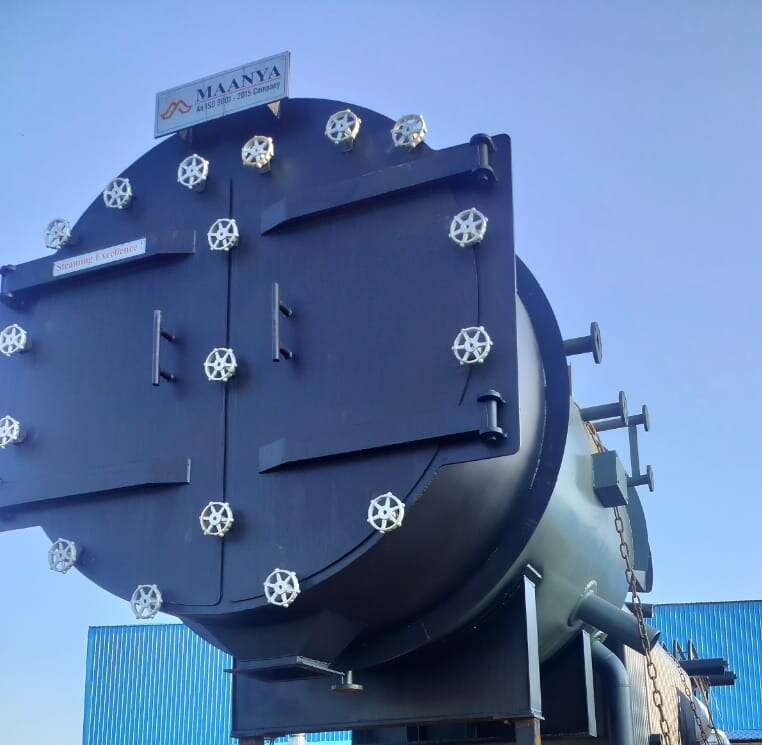
The industrial boiler technology evolution has reached a stage where efficiency, sustainability, and operational flexibility define success. Unlike earlier decades where fuel availability dictated boiler design, today the industrial boiler technology evolution focuses on integrating fuel adaptability, automation, emission control, and lifecycle performance into a single engineered system.
Understanding the industrial boiler technology evolution helps industries make informed decisions that reduce long-term risk. Coal-based systems represented the early phase of industrial steam generation, while oil and diesel systems improved combustion control but increased cost volatility. The current phase of the industrial boiler technology evolution is defined by biomass and hybrid boilers that balance cost efficiency with environmental compliance.
Government policies and regulatory frameworks have played a significant role in accelerating the industrial boiler technology evolution. Initiatives promoting biomass utilization, renewable energy adoption, and emission reduction have reshaped how industries approach steam generation. Official policy direction from the Ministry of New and Renewable Energy (MNRE) supports this transition toward cleaner industrial fuels.
As per India’s renewable energy roadmap published by the Ministry of New and Renewable Energy (MNRE), biomass-based thermal systems are a key component of sustainable industrial energy planning. This policy alignment reinforces why the industrial boiler technology evolution is moving decisively toward biomass and hybrid solutions.
Environmental regulations monitored by the Central Pollution Control Board (CPCB) further validate this transition. Emission norms related to particulate matter, SOx, and NOx emissions have directly influenced the industrial boiler technology evolution, encouraging industries to adopt modern boilers with integrated pollution-control systems.
From an engineering perspective, the industrial boiler technology evolution now emphasizes long-term reliability over short-term cost savings. Biomass and hybrid boiler systems designed with advanced grates, controlled air distribution, and automation ensure stable steam generation even under fluctuating fuel conditions. This marks a clear departure from legacy boiler designs that lacked adaptability.
Manufacturers that understand the full scope of the industrial boiler technology evolution are better equipped to guide industries through this transition. By combining proven fabrication practices with modern combustion engineering, Maanya Boilers Pvt. Ltd. aligns its solutions with the most advanced stage of the industrial boiler technology evolution, helping industries move confidently toward future-ready steam systems.
The evolution from coal to biomass is therefore not just a technological shift—it is a strategic realignment of industrial energy systems. Organizations that recognize this are better positioned to navigate future changes, whether they arise from policy reforms, fuel market dynamics, or environmental expectations. Those that delay adaptation risk being locked into systems that are increasingly expensive to operate, maintain, and justify.
Looking ahead, the trajectory of industrial boiler technology suggests further integration of automation, monitoring, and data-driven optimization. Predictive maintenance, performance analytics, and remote diagnostics are likely to become standard components of future steam systems. However, these advancements will only deliver value if built on a solid foundation of proven engineering and practical experience.
Maanya Boilers’ continued investment in technology, fabrication capability, and engineering expertise reflects an understanding that boiler evolution is an ongoing process—not a finished chapter. By bridging legacy knowledge with modern design principles, the organization enables industries to move forward without abandoning the lessons of the past.
Ultimately, the story of industrial boiler technology evolution is about progress through understanding. Each phase—coal, oil, biomass, hybrid—has contributed insights that inform today’s best practices. Industries that take the time to understand this progression make more informed, resilient, and future-focused decisions.
The transition from legacy systems to future-ready steam solutions is no longer optional; it is a competitive necessity. Those who embrace this evolution thoughtfully will benefit from lower costs, stronger compliance, improved sustainability performance, and greater operational stability. With engineering-led partners like Maanya Boilers Pvt. Ltd., this transition becomes not just achievable, but strategically advantageous.
No responses yet