

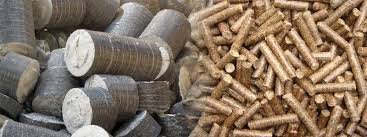
Introduction: Why Parali Matters to Indian Industry — and Why It’s Not Simple
India’s industrial energy landscape is undergoing a structural shift. Rising fossil fuel prices, supply volatility, stricter emission norms, and increasing ESG pressure have forced industries to rethink how they generate steam and process heat. In this transition, parali (rice straw) has emerged as one of the most talked-about alternative fuels as Parali as Boiler Fuel.
Every year, India produces over 120–140 million tonnes of rice straw, much of it concentrated in Punjab, Haryana, Uttar Pradesh, and parts of Madhya Pradesh. Traditionally, this residue has been burned in open fields to quickly clear land for the next crop cycle—resulting in severe air pollution, public health emergencies, and regulatory crackdowns.
At the same time, industries are spending crores annually on:
- Imported or low-grade coal
- Furnace oil with unstable pricing
- Diesel as a backup fuel with extremely high operating costs
Parali offers a compelling counter-narrative:
- Locally available
- Renewable
- Significantly cheaper than fossil fuels
- Supported by government biomass initiatives
However, there is a critical truth that many blogs and sales brochures avoid:
Parali is one of the most technically challenging biomass fuels to burn in an industrial boiler making it Parali as Boiler Fuel.
Industries that switch to parali without proper boiler design, fuel handling systems, and combustion control often face:
- Frequent shutdowns
- Slagging and clinker formation
- Poor steam stability
- High maintenance costs
This is why the conversation around parali as boiler fuel must go beyond benefits and economics. It must address engineering realities.
In this long-form guide, we break down:
- The real challenges of using Parali as Boiler Fuel
- Why these challenges occur from a combustion science perspective
- How modern biomass boiler technology (including systems designed by Maanya Boilers Pvt. Ltd.) is solving them
Understanding Parali as a Boiler Fuel: Fuel Characteristics That Define Everything
Before discussing challenges, it’s important to understand what makes Parali as Boiler Fuel fundamentally different from coal, furnace oil, or even other biomass fuels like rice husk or wood chips.
Typical Fuel Properties of Parali (Rice Straw)
| Parameter | Typical Range | Industrial Impact |
|---|---|---|
| Moisture content | 15–35% | Directly reduces combustion efficiency |
| Gross calorific value | 2800–3200 kcal/kg | Lower than coal, requires higher fuel volume |
| Ash content | 12–20% | Leads to slagging and high ash handling |
| Bulk density | Very low | Causes feeding and hopper issues |
| Volatile matter | High | Requires staged air for proper combustion |
| Silica & alkali content | High | Primary cause of clinker formation |
These characteristics explain why parali cannot be treated like coal. Any boiler system that attempts to do so will fail operationally.
🔗 Internal reference :
Biomass boiler fundamentals and fuel behavior
https://maanyaboilers.co.in/biomass-boiler/
🔗 External technical reference:
MNRE Biomass Power & Cogeneration Programme
https://mnre.gov.in

Challenge 1: High Moisture Content — The Silent Efficiency Killer
Why Moisture Is the First and Biggest Problem
Parali is harvested during periods that often coincide with:
- Post-monsoon conditions
- High ambient humidity
- Short turnaround time between crops
As a result, raw parali typically enters industrial premises with 20–35% moisture content.
From a thermodynamic perspective, this is disastrous for boilers.
Every kilogram of excess moisture:
- Absorbs heat for evaporation
- Lowers flame temperature
- Delays ignition
- Reduces net heat available for steam generation
In practical terms, high-moisture parali causes:
- Increased fuel consumption per tonne of steam
- Fluctuating furnace temperatures
- Incomplete combustion and higher unburnt carbon
Industries often misinterpret this as a “boiler efficiency problem” when it is actually a fuel conditioning problem.
Industrial-Grade Solutions to High Moisture in Parali
1. Pre-Drying Systems (Passive and Active)
Successful parali-based plants adopt one or more of the following:
Passive drying
- Sun drying in controlled yards
- Wind-assisted drying with proper stacking
- Seasonal planning of fuel procurement
Active drying
- Forced air drying systems
- Waste heat dryers using boiler flue gas
- Rotary or belt dryers in high-capacity plants
Target moisture for stable parali combustion: below 15%
2. Storage Design That Actually Works
Fuel storage is not a civil afterthought—it is a combustion system component.
Best practices include:
- Covered sheds with sloped roofing
- Raised concrete floors to avoid ground moisture
- Cross-ventilation for moisture escape
- FIFO (First-In-First-Out) fuel usage
🔗 Internal blog context:
Fuel storage & handling best practices
https://maanyaboilers.co.in/blogs/
🔗 Outbound authority reference:
FAO – Agricultural Residue Management
https://www.fao.org
Challenge 2: Inconsistent Size, Shape, and Density of Parali
Why Parali Refuses to Behave Like a “Fuel”
Unlike standardized fuels, parali arrives as:
- Long fibrous strands
- Loosely packed bundles
- Irregular lengths and thicknesses
This creates serious operational issues:
- Fuel bridging inside hoppers
- Uneven fuel bed formation on grates
- Localized over-firing and under-firing zones
The result is unstable combustion, even if the boiler itself is well designed.
Engineering Solutions That Make Parali Predictable
1. Mechanical Size Reduction
Most stable parali-fired plants use:
- Straw choppers
- Bale breakers
- Rotary shredders
Reducing parali to a controlled size range dramatically improves:
- Feeding consistency
- Air penetration
- Burnout time
2. Controlled Fuel Feeding Systems
Modern biomass boilers rely on:
- Vibratory feeders
- Variable-speed screw conveyors
- Hydraulic ram feeders
These systems meter fuel by load demand, not guesswork.
🔗 Product relevance:
Custom fuel feeding systems for biomass boilers
https://maanyaboilers.co.in/biomass-boiler/
Challenge 3: Slagging and Clinker Formation — The Most Feared Issue
Why Parali Ash Is Especially Problematic
Parali ash contains:
- High silica content
- Alkali metals such as potassium and sodium
At elevated furnace temperatures, these components melt and fuse, forming hard clinkers that:
- Block air passages
- Damage grates
- Reduce combustion efficiency
- Force unplanned shutdowns
This is one of the main reasons early parali boiler attempts failed in India.
Proven Industrial Solutions to Slagging
1. Temperature-Controlled Combustion
Slagging is not just a fuel problem—it’s a temperature management problem.
Solutions include:
- Operating below ash fusion temperature
- Staged combustion air supply
- Avoiding localized hot spots
2. Advanced Grate Design
Modern biomass boilers use:
- Reciprocating grates for continuous fuel movement
- Pulsating grates to break ash fusion
- Water-cooled grates for extreme ash conditions
These designs prevent ash from settling and sintering.
3. Fuel Blending
Blending parali with:
- Rice husk
- Wood chips
- Biomass briquettes
reduces slagging tendency by balancing ash chemistry.
🔗 Technical reference:
IEA Bioenergy – Biomass Ash Behaviour
https://www.ieabioenergy.com
Challenge 4: Fuel Feeding Problems and Hopper Choking
Why Fuel Feeding Is a Major Pain Point with Parali
Parali has one of the lowest bulk densities among commonly used biomass fuels. Combined with its fibrous nature, this creates unique challenges in fuel feeding systems.
Common problems observed at industrial sites include:
- Fuel bridging inside hoppers
- Sudden fuel collapse causing over-firing
- Backflow toward feeding mechanisms
- Inconsistent fuel flow to the grate
These issues result in:
- Fluctuating steam pressure
- Combustion instability
- Operator intervention multiple times per shift
Many industries mistakenly assume this is an “operator problem.” In reality, it is a mechanical design and automation problem.
Engineering Solutions That Actually Work
1. Hopper Design Optimized for Fibrous Biomass
Standard coal hoppers do not work for parali.
Modern parali-compatible systems use:
- Steep hopper angles to prevent bridging
- Anti-arching geometry
- Internal agitators or hydraulic pushers
These features ensure continuous downward fuel movement.
2. Hydraulic Ram Feeders
Hydraulic ram feeders are particularly effective for parali because they:
- Physically push fuel forward
- Break entangled straw clusters
- Deliver fuel in controlled batches
They are widely used in high-capacity biomass boiler installations across India.
3. Variable-Speed Feeding Control
Fuel feeding must respond to boiler load, not fixed assumptions.
Advanced systems use:
- Variable Frequency Drives (VFDs)
- Load-linked fuel dosing
- Feedback from steam pressure and furnace temperature
🔗 Internal product context:
Fuel feeding and combustion systems for boilers
https://maanyaboilers.co.in/boilers/
Challenge 5: High Ash Generation and Ash Handling Complexity
Understanding the Ash Problem with Parali
Parali typically produces 12–20% ash, significantly higher than:
- Furnace oil (negligible ash)
- Diesel (negligible ash)
- Even many grades of coal
This means:
- More frequent ash removal
- Higher disposal costs
- Increased wear on boiler internals
If ash handling is not automated, it becomes:
- Labor-intensive
- Unsafe
- A major source of downtime
Modern Ash Handling Solutions
1. Automated Ash Extraction Systems
Industrial parali boilers increasingly use:
- Screw ash conveyors
- Drag chain conveyors
- Wet ash handling systems
Automation ensures continuous operation without manual intervention.
2. Zoned Ash Collection
Ash is typically collected from:
- Grate ash pit
- Fly ash from cyclones or bag filters
Separating ash streams simplifies handling and disposal.
3. Productive Use of Parali Ash
In some cases, parali ash can be reused for:
- Brick and block manufacturing
- Soil conditioning (after testing)
🔗 Outbound regulatory reference:
Central Pollution Control Board (CPCB) – Ash Disposal Guidelines
https://cpcb.nic.in
Challenge 6: Emissions, Pollution Control, and Regulatory Compliance
Why Emissions Are a Sensitive Topic for Parali Boilers
While parali is renewable, poor combustion can still cause pollution.
Major emission concerns include:
- Particulate matter (PM)
- Unburnt hydrocarbons
- Visible smoke during load changes
With stricter enforcement by pollution control boards, industries must ensure compliance.
Emission Control Technologies Used in Parali Boilers
1. Multi-Cyclone Dust Collectors
These are the first line of defense against particulates:
- Low maintenance
- Suitable for high ash fuels
- Widely used in biomass boilers
2. Wet Scrubbers
Used where:
- Space constraints exist
- Higher particulate removal is required
3. Bag Filters
For plants with:
- Stringent emission norms
- Stable ash characteristics
Proper selection depends on:
- Fuel quality
- Boiler capacity
- Local regulatory requirements
🔗 External authority:
National Air Quality Standards – CPCB
https://cpcb.nic.in/National-Air-Quality-Index/
Challenge 7: Operator Dependency and Skill Gaps
The Human Factor in Parali Boiler Operation
Traditional biomass boilers depend heavily on:
- Operator judgment
- Manual air control
- Visual flame assessment
With parali, this approach is unreliable because:
- Fuel quality varies daily
- Combustion behavior changes with moisture and size
- Manual corrections are often delayed
This leads to:
- Inconsistent steam supply
- Higher fuel consumption
- Increased wear and tear
Automation as the Only Scalable Solution
PLC-Based Combustion Control
Modern parali boilers use:
- PLC-based logic systems
- Sensors for temperature, pressure, and oxygen
- Automated adjustment of air and fuel
Benefits of Automation
- Stable steam pressure
- Reduced fuel wastage
- Lower operator skill dependency
- Improved safety
Automation turns parali combustion from an art into a repeatable process.
🔗 Internal relevance:
Automation-ready industrial boiler systems
https://maanyaboilers.co.in/
Regulatory and Policy Context Supporting Parali Utilization
Government Push Against Stubble Burning
The Indian government actively discourages open-field burning of parali through:
- Fines and penalties
- Subsidies for biomass utilization
- Promotion of biomass-based energy
Support for Biomass-Based Industrial Energy
Agencies like MNRE promote:
- Biomass boilers
- Cogeneration systems
- Agro-residue utilization
🔗 External policy reference:
MNRE – Biomass & Bagasse Cogeneration
https://mnre.gov.in/bio-energy/current-status/
This policy environment makes parali-based boilers future-proof investments.
Why Conventional Boilers Fail with Parali
Many early parali boiler installations in India struggled not because parali is unusable, but because boilers designed for coal or generic biomass were repurposed without redesign.
Common design mismatches include:
- Fixed grates unable to handle fibrous fuels
- Poor air distribution causing localized hot spots
- Shallow furnaces leading to incomplete burnout
- Manual combustion control unsuitable for variable fuel
Parali demands a fuel-centric boiler philosophy, not a boiler-centric fuel approach.
Modern Combustion Technologies for Parali-Fired Boilers
1. Reciprocating Grate Combustion Systems
How Reciprocating Grates Work
A reciprocating grate consists of multiple grate sections that move alternately in a forward–backward motion. This movement:
- Continuously redistributes fuel
- Breaks up ash and clinkers
- Prevents fuel stagnation
Why Reciprocating Grates Are Ideal for Parali
Parali’s fibrous structure and high ash content make stationary grates unsuitable. Reciprocating grates solve this by:
- Ensuring uniform fuel bed thickness
- Allowing progressive drying, ignition, and burnout
- Reducing manual cleaning requirements
Key Advantages
- Handles high ash fuels (12–20%)
- Minimizes clinker formation
- Enables stable combustion even with variable fuel quality
This grate technology is now considered industry standard for serious parali-fired boiler applications.
2. Pulsating Grate Systems
What Makes Pulsating Grates Different
Unlike continuous reciprocating motion, pulsating grates operate in controlled cycles, allowing:
- Fuel relaxation between movements
- Better air penetration
- Reduced ash fusion
When Pulsating Grates Are Preferred
Pulsating grates are especially effective when:
- Parali is blended with other biomass fuels
- Fuel size variation is significant
- Lower furnace temperatures are desired
Comparative Snapshot
| Parameter | Reciprocating Grate | Pulsating Grate |
|---|---|---|
| Fuel movement | Continuous | Cyclic |
| Ash handling | Excellent | Very good |
| Fuel flexibility | High | Very high |
| Maintenance | Moderate | Low |
Both systems outperform fixed grates by a wide margin when firing parali.
3. Furnace Design Optimized for Parali
Importance of Furnace Volume
Parali has:
- High volatile matter
- Low bulk density
This requires:
- Larger furnace volume
- Longer residence time for complete combustion
A shallow or undersized furnace leads to:
- Unburnt volatiles
- Higher emissions
- Lower efficiency
Multi-Zone Combustion Concept
Modern parali boilers use zoned combustion chambers:
- Drying zone – Moisture removal
- Ignition zone – Volatile release
- Main combustion zone – Char burnout
- Burnout zone – Final ash stabilization
Each zone is supported by dedicated air supply, ensuring complete fuel utilization.
4. Advanced Air Distribution and Staged Combustion
Why Air Control Is Critical for Parali
Improper air supply causes:
- Flame instability
- High CO emissions
- Slagging due to hot spots
Modern Air Distribution Strategy
- Primary air: Supplied below the grate for drying and ignition
- Secondary air: Injected above the fuel bed for volatile combustion
- Tertiary air: Ensures complete burnout and emission control
This staged approach:
- Lowers peak temperatures
- Reduces slagging
- Improves combustion efficiency
5. Automation, PLC Control, and Smart Combustion
Why Automation Is No Longer Optional
Given parali’s variability, manual control is unreliable.
Modern parali boilers use:
- PLC-based combustion systems
- Oxygen sensors
- Furnace temperature feedback
- Load-responsive fuel and air control
Benefits of PLC-Controlled Combustion
- Consistent steam pressure
- Lower fuel consumption
- Reduced operator dependency
- Faster response to load changes
Automation transforms parali firing from operator intuition to data-driven precision.
How Maanya Boilers Pvt. Ltd. Engineers Parali-Ready Boiler Systems
Maanya Boilers approaches parali not as an “alternative fuel,” but as a primary design fuel.
Key Engineering Principles Applied
- Heavy-duty reciprocating or pulsating grates
- Oversized furnaces for volatile-rich fuels
- Automated fuel feeding with anti-bridging hoppers
- PLC-based combustion control
- Integrated ash handling and emission systems
This integrated design philosophy ensures:
- Long operational cycles
- Lower maintenance costs
- Reliable steam generation
🔗 Link:
https://maanyaboilers.co.in/boilers/
FAQs: Parali as Boiler Fuel
1. Can parali completely replace coal in industrial boilers?
Yes, when the boiler is designed specifically for parali, not retrofitted.
2. What boiler capacity range is suitable for parali?
Parali is successfully used from small process boilers to large industrial steam plants.
3. Is fuel blending mandatory?
Not mandatory, but strategic blending improves stability in some cases.
4. How does parali affect boiler efficiency?
Efficiency depends on combustion design, not fuel alone.
5. What is the biggest mistake industries make?
Using coal-designed boilers for parali without redesign.
6. Is parali supply reliable year-round?
Yes, with proper storage and procurement planning.
7. How does parali compare to rice husk?
Parali has lower density and higher ash but is often cheaper.
8. Are emissions higher than coal?
No, when combustion and filtration systems are correctly designed.
9. Does parali increase maintenance?
Only in poorly designed systems.
10. Is parali suitable for continuous processes?
Yes, with automation and proper fuel handling.
Future Outlook: Parali in India’s Industrial Energy Mix
With increasing pressure to:
- Reduce emissions
- Eliminate stubble burning
- Lower energy costs
parali is moving from a temporary solution to a strategic industrial fuel.
Future trends include:
- Integration with carbon credit mechanisms
- Hybrid biomass fuel strategies
- Smarter combustion analytics
Industries that invest early in engineered parali boiler systems will gain long-term economic and regulatory advantages.
Final Conclusion: From Problem Fuel to Competitive Advantage
Parali is not an easy fuel—but it is a powerful one.
Industries that:
- Respect its challenges
- Invest in proper boiler design
- Adopt modern combustion technology
turn parali from an agricultural waste problem into a reliable, cost-effective, and sustainable energy source.
With the right engineering approach, parali becomes not a compromise—but a competitive advantage.
No responses yet