Parali revenue is emerging as one of the most important topics in India’s agricultural and industrial sectors. As industries shift toward clean and renewable energy, parali (rice straw) is no longer seen as waste — it is becoming a valuable biofuel that farmers can sell for profit. This shift is helping farmers earn additional income, improving rural sustainability, and supporting industries that are adopting biomass-based steam generation.
For decades, parali was treated as a useless by-product of rice harvesting. Farmers often burned it due to the high cost of removal, limited storage options, and lack of buyers. This practice led to severe air pollution, soil degradation, and wasted potential energy resources.
Today, however, the scenario is changing. With modern biomass boiler technologies, improved fuel-handling systems, and rising demand for renewable energy, industries are actively purchasing parali as a cost-effective fuel source. This transformation has created new opportunities for farmers and strengthened the rural economy.
This comprehensive guide explains how parali revenue can become a dependable income stream for farmers, how industries use parali as a renewable fuel, and how companies like Maanya Boilers Pvt. Ltd. are playing a major role in promoting sustainable biomass energy.
Understanding How Parali Revenue Works
Parali revenue refers to the income farmers can generate by selling rice straw to industries that use biomass boilers. Instead of burning parali, farmers can now sell it to biomass fuel aggregators, briquette manufacturers, or industries that directly fire parali in high-efficiency boilers.
Earlier, the lack of buyers and transport systems made parali disposal difficult. But today, industries across India—particularly food processing, textiles, paper, agro-processing, chemicals, and rice mills—require large amounts of biomass fuel.
Parali is:
- Cheap
- Abundantly available
- High in calorific value
- Compatible with modern boilers
- Environmentally beneficial
This creates a stable and growing market for parali, allowing farmers to earn steady income after every harvest.
Why Industries Want Parali as Fuel
Industries rely heavily on steam generation, and traditional fuels like diesel, coal, and furnace oil have become extremely expensive. Parali-based biomass energy offers them several advantages:
✔ Lower Fuel Costs
Parali costs ₹2,500–₹4,000 per ton, while coal costs ₹12,000–18,000 and diesel is even more expensive. Switching to parali reduces operational costs by 60–75%.
✔ Cleaner Emissions
With low sulphur and carbon-neutral combustion, parali is one of the cleanest industrial fuels.
✔ Government Support
India’s renewable energy mission strongly promotes biomass usage.
External DoFollow reference:
MNRE Bioenergy Programme: https://mnre.gov.in
✔ Compatibility With Modern Boilers
Companies like Maanya Boilers design biomass boilers specifically to fire parali efficiently using:
- Reciprocating grate
- Pulsating grate
- Multi-fuel systems
- High-efficiency ash handling
✔ Local Availability
Industries no longer depend on foreign fuels or unstable international markets.
This demand directly benefits farmers through consistent parali revenue opportunities.
How Much Revenue Can Farmers Earn by Selling Parali?
On average, a single acre of rice cultivation produces 2–2.5 tons of parali.
If a farmer sells parali at ₹2,500–₹3,500 per ton, they can earn:
👉 ₹5,000–₹8,000 per acre
👉 For 10 acres, farmers can earn ₹50,000–₹80,000 per season
This is pure additional income because parali was earlier considered a waste material.
Revenue also increases with:
- Large-scale collection contracts
- Baling support
- Transport partnerships
- Storage infrastructure
Many states are now enabling biomass collection centres, which makes it easier for farmers to sell parali quickly and at better prices.
Why Farmers Used to Burn Parali — and What Has Changed
Farmers historically burned parali due to:
- High labour cost for collecting straw
- Fast preparation required for next crop
- No buyers or storage
- Lack of awareness
Today, the situation has transformed because:
✔ Biomass-based industries now buy parali in bulk
✔ Transport and baling machines are available
✔ State governments support collection and sale
✔ Modern boilers can fire parali easily
✔ Farmers earn new income instead of facing penalties for burning
Parali revenue has changed the way agriculture waste is perceived in India.
How Maanya Boilers Is Supporting Parali Revenue Growth
Maanya Boilers Pvt. Ltd. is one of the companies driving the shift toward biomass energy. Our advanced boiler technologies allow industries to use parali as a reliable and efficient fuel.
We help industries adopt parali by providing:
✔ Biomass Boilers Optimized for Parali
Our boilers support fuels like:
- Rice straw
- Cane trash
- Mustard bale
- Wood chips
- Agro-residues
Relevant product pages:
➡ https://maanyaboilers.co.in/agripac-boiler/
➡ https://maanyaboilers.co.in/agromax-boiler/
➡ https://maanyaboilers.co.in/biomass-boiler/
✔ Tailored combustion systems
Reciprocating and pulsating grates ensure:
- Complete combustion
- Reduced clinker
- High thermal efficiency
✔ Emission Control Equipment
Best-in-class systems like cyclones, wet scrubbers, and bag filters help industries maintain CPCB limits.
External DoFollow reference:
CPCB Guidelines: https://cpcb.nic.in
✔ Training & Support
Industries receive guidance on:
- Fuel procurement
- Storage
- Feeding systems
- Ash handling
This ultimately increases parali demand — and therefore increases parali revenue for farmers.
Impact on the Rural Economy
Parali revenue contributes significantly to rural economic development. Every ton of parali sold creates economic value across the supply chain:
🌾 For Farmers
Consistent income from waste material.
🚜 For Labour
Employment in:
- Baling
- Transport
- Collection
🏭 For Industries
Cost-effective renewable fuel supply.
🌱 For the Environment
Reduction in field burning and pollution.
This integrated system supports both agriculture and industry — strengthening India’s green economy.
How Parali Revenue Reduces Air Pollution
Parali burning has been a major cause of smog and pollution in many states. Selling parali instead of burning it has a direct environmental benefit.
Benefits:
- Fewer toxic pollutants
- Lower carbon emissions
- Better soil health
- Improved public health
Industries firing parali in boilers with emission-control systems help ensure clean and safe combustion.
The Role of Government in Supporting Parali Revenue
Multiple government bodies are supporting biomass fuel usage:
- MNRE promotes renewable energy
- State biomass missions support collection
- Subsidies for balers and compactors
- Penalties for open burning
- Encouragement of bioenergy clusters
These policies collectively boost the market value of parali and increase earning potential for farmers.
Why Industries Prefer Parali Over Conventional Biomass Fuels
Parali has several advantages over other biofuels like sawdust, bagasse, or wood chips:
✔ More abundant
✔ Lower cost
✔ Consistent yearly supply
✔ Good calorific value
✔ Works well in multi-fuel boilers
Because availability is predictable and cost is low, industries view Parali as a long-term fuel solution, boosting its overall market demand.
Future of Parali Revenue — Growth Potential
The future looks extremely promising because:
- India produces millions of tons of rice straw every year
- Most industries want to shift to cheaper fuels
- Renewable energy demand is rising
- Sustainability is becoming mandatory
- Rural industrial partnerships are strengthening
Parali can become one of the biggest rural income sources in India within the next decade.
Maanya Boilers’ Contribution to Parali-Based Energy Systems
Maanya Boilers supports parali-based energy adoption through:
- Engineering guidance
- Thermal system design
- Emission compliance support
- Ready-stock biomass boilers
- On-site installation and training
Internal links for buyers:
👉 Boilers Range: https://maanyaboilers.co.in/boilers/
👉 Contact Us: https://maanyaboilers.co.in/contact-us/
👉 Pollution Control: https://maanyaboilers.co.in/pollution-control-equipment/
Our biomass boilers are already functioning across industries in India, proving that parali is a dependable fuel for large-scale steam generation.
Conclusion — Parali Revenue Can Transform Indian Agriculture
The benefits of parali revenue are powerful:
- Additional income for farmers
- Reduced environmental pollution
- New employment opportunities
- Reliable renewable fuel supply
- Lower industrial energy costs
- Stronger rural–industrial partnerships
With modern technology, parali is no longer a waste — it is a valuable resource that can reshape India’s energy and agricultural landscape.
Industries adopting parali-based boilers and farmers selling parali both gain financially and environmentally. This synergy marks the beginning of a more sustainable, profitable, and pollution-free future.
Parali Revenue – A Complete Insight into India’s Biomass Potential
Parali revenue is becoming an important part of India’s agricultural and industrial conversation. As industries shift to renewable fuels and farmers search for better income opportunities, parali revenue is emerging as a transformative concept that connects sustainability, economy, and energy efficiency. Across India, agricultural residues like rice straw have long been treated as waste, but with advancements in biomass boiler technology and increasing government support for renewable fuels, parali is now turning into a valuable resource with strong commercial potential.
The discussion around parali revenue is not just about fuel cost savings; it is about reshaping rural development, building renewable energy ecosystems, and strengthening industrial operations. With millions of tons of parali produced every year, India has an untapped opportunity to convert this biomass into an organized revenue-generating supply chain. The shift toward green fuel has already begun, and industries are responding faster than ever before.
Why Parali Revenue Matters for India’s Agricultural Economy
For decades, farmers have struggled with managing parali after harvesting paddy. With no profitable outlet for the waste, burning became the most common disposal method. This practice led to pollution, soil degradation, and government penalties. However, with the introduction of biomass boilers, advanced combustion systems, and renewable energy policies, parali revenue has become a realistic and beneficial alternative.
Farmers can now sell parali to industries that need biomass fuel for steam generation. This creates new income sources, prevents air pollution, and strengthens rural employment. The growing demand for parali in industrial sectors is driving the formalization of collection, baling, transportation, and storage networks across India. As more industries adopt renewable fuels, the parali revenue chain will grow stronger and more stable.
Industrial Benefits That Increase Parali Revenue Demand
Industries across sectors such as textiles, chemicals, pharmaceuticals, rice mills, food processing, paper mills, and rubber manufacturing are increasingly turning toward biomass as a primary fuel source. The cost of traditional fuels like diesel and coal continues to rise, making biomass one of the most economical options. Parali revenue thus becomes tied to industrial cost optimization, environmental compliance, and energy security.
The efficiency of modern biomass boilers makes it possible to burn parali effectively while maintaining high steam output and stable operations. Technologies such as reciprocating grates, pulsating grates, hybrid combustion systems, and high-efficiency flue gas treatment systems have removed earlier limitations associated with parali’s moisture content or ash behavior. Industries benefit from low-cost fuel and reliable performance, while farmers benefit from new income.
Environmental Impact of Parali Revenue Systems
One of the most significant advantages of increasing parali revenue is the environmental impact. Open-field burning is one of the major causes of air pollution in northern India, particularly in Punjab, Haryana, and Uttar Pradesh. By converting parali into fuel, this pollution is avoided, and industries get access to a renewable fuel resource.
Parali is a carbon-neutral fuel, and when burned in controlled industrial equipment with emission control systems such as bag filters, dust collectors, and wet scrubbers, emissions remain low and within regulatory limits. This aligns with India’s long-term climate goals and renewable energy transition programs. Additionally, industries adopting parali reduce dependence on fossil fuels, lowering carbon emissions and improving sustainability ratings.
Government Policies Supporting Parali Revenue
Government policies are playing a major role in increasing parali revenue across India. Initiatives under MNRE (Ministry of New and Renewable Energy), state-level biomass procurement programs, subsidies for agricultural residue machinery, and strict penalties on open-field burning are accelerating parali utilization.
Co-firing policies allow thermal power plants to purchase and burn biomass, adding another large-scale market for parali revenue. Additionally, the Bioenergy Programme supports industries in shifting toward renewable fuels. Farmers and entrepreneurs can participate in biomass supply chains, expanding rural business opportunities.
For more details, refer to the official MNRE documentation:
MNRE – Bioenergy Guidelines
How Maanya Boilers Supports Parali Revenue Growth
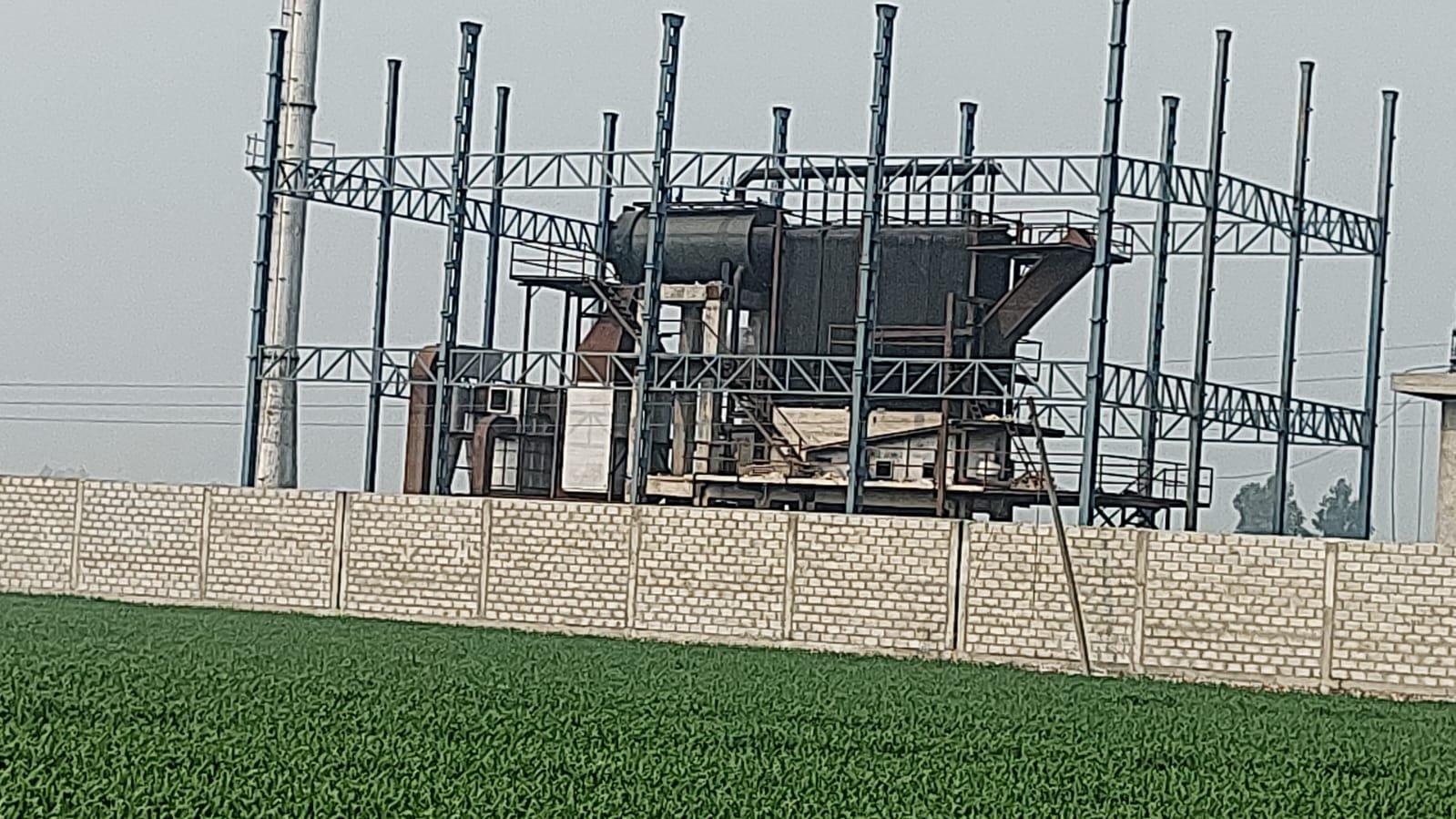
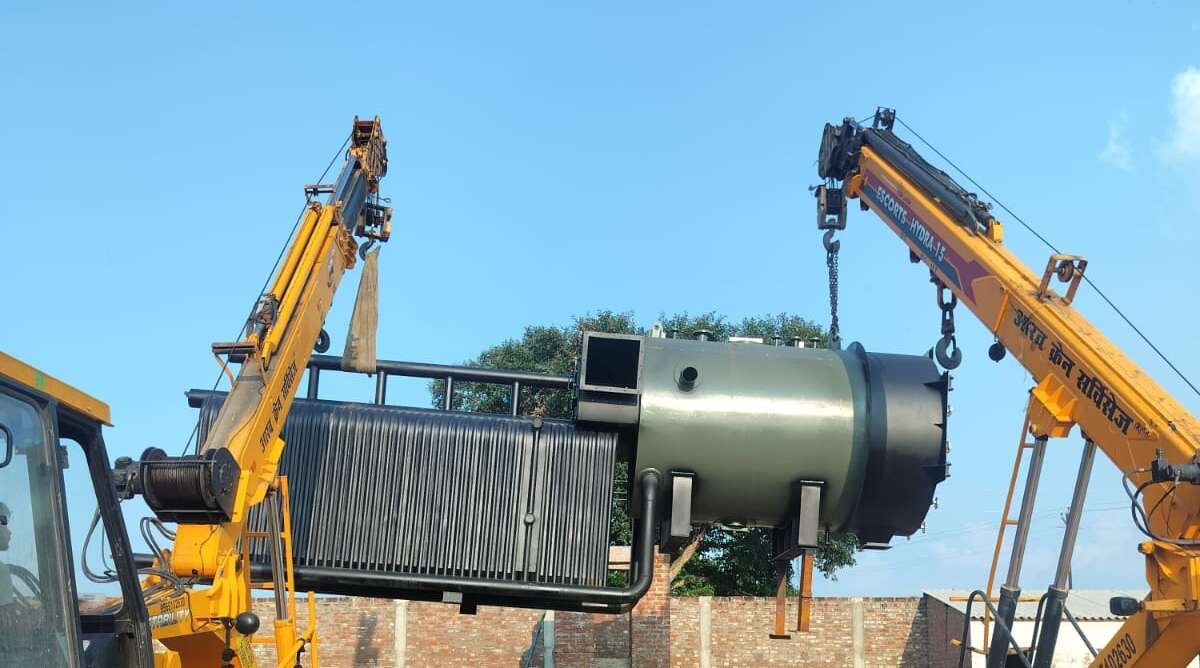
Maanya Boilers Pvt. Ltd. plays a major role in enabling parali revenue by providing advanced biomass boiler systems engineered to use agricultural residue efficiently. The company manufactures high-performance boilers capable of firing parali, husk, wood chips, briquettes, and other biomass fuels. With strong fabrication capabilities, IBR certification, and durable construction, the boilers help industries reduce operational costs and increase sustainability.
Through years of engineering expertise, Maanya Boilers has developed solutions that address challenges like clinker formation, inconsistent fuel size, high moisture levels, and ash management. This technical reliability directly contributes to the scalability of parali revenue systems. Industries that switch to biomass rely on Maanya Boilers for installation, commissioning, maintenance, and long-term operational support.
For information about our biomass boilers, visit:
Maanya Biomass Boiler Range
Value Chain of Parali Revenue in India
The parali revenue ecosystem includes several stakeholders who play key roles in the biomass supply chain. Farmers produce the raw material, baling contractors process and collect it, transporters deliver it, and industries purchase and utilize it. Government regulations, technology providers, and renewable energy companies further strengthen the system.
This structured approach transforms parali from an agricultural waste problem into an organized business model. The value chain includes:
- Farm-level collection
- Baling and packaging
- Storage and seasonal management
- Transportation to industrial buyers
- Fuel preparation for combustion
Each stage contributes to revenue creation and job opportunities in rural areas. As the demand rises, the value chain will become more efficient, increasing parali revenue for all participants involved.
Why Industries Prefer Parali for Steam Generation
Industries prefer parali due to its low cost, renewable nature, and compatibility with energy-saving equipment. When combined with heat recovery systems like economizers, air preheaters, and condensate recovery units, parali makes industrial steam generation significantly more cost-effective.
Additionally, industries value the local availability of parali, which reduces transportation costs and dependency on imported energy sources. The risk of fuel shortages decreases, making operations more predictable and stable.
Challenges in Expanding Parali Revenue and Their Solutions
Although the parali revenue system is growing rapidly, certain challenges remain. These include seasonal availability, storage issues, moisture variation, and logistical constraints. However, with improved baling technology, better storage facilities, and efficient fuel-handling systems integrated into boilers, these challenges can be managed effectively.
Innovations such as automated feeding systems, drying techniques, and multi-fuel boilers ensure flexibility and reliability. Industries can switch fuels when parali availability reduces, making operations smoother. Maanya Boilers supports industries with technical advice and on-site assessments to optimize biomass usage.
Economic Impact of Parali Revenue on Rural India
The economic benefits of parali revenue extend far beyond industrial savings. Rural households gain additional income, agricultural waste becomes a commercial product, and local employment increases. These developments support government initiatives to improve rural livelihoods and promote sustainable agricultural practices.
Future Outlook of Parali Revenue in India
The future of parali revenue in India is promising. With rising fuel prices, stricter pollution control norms, and increasing demand for renewable energy, parali will become a mainstream industrial fuel. As more industries adopt biomass boilers and renewable technologies, the scale of parali usage will expand significantly.
Technological advancements, policy support, and rural entrepreneurship will further accelerate this market. The long-term vision includes decentralized biomass processing centers, advanced fuel preparation units, and integrated renewable energy parks.
Internal Links for SEO Enhancement
Explore our complete boiler solutions:
Industrial Boilers by Maanya
Learn more about pollution control systems:
Pollution Control Equipment
Contact our team:
Contact Maanya Boilers
Image Suggestions for SEO
You can add these images with SEO-friendly alt text:

Conclusion
Parali revenue is reshaping India’s agricultural and industrial landscape. It creates new income opportunities for farmers, reduces environmental pollution, and offers industries a cost-effective renewable fuel. With government support, advanced boiler technology, and increasing sustainability goals, the parali revenue ecosystem is expected to grow exponentially.
As India moves toward green energy, the integration of parali into industrial fuel systems will strengthen economic development while supporting environmental protection. Parali revenue is not just a financial opportunity — it is a strategic step toward a cleaner, more sustainable, and economically balanced future.



No responses yet