


Parali vs Diesel vs Coal Fuel Comparison — Why 2025 Is a Turning Point
Parali vs diesel vs coal fuel comparison has become one of the most important discussions for Indian industries in 2025. Rising fuel costs, stricter pollution regulations, and the urgent need for sustainable operations are forcing manufacturers to rethink how they generate steam and thermal energy.
Industries that rely heavily on boilers — including textiles, food processing, pharmaceuticals, FMCG, chemicals, paper, rice mills, plywood units, sugar mills, and refineries — are facing intense pressure to reduce operating costs while meeting environmental norms. Traditional fuels such as diesel and coal are becoming increasingly expensive and difficult to manage, while renewable alternatives like parali (rice straw) are emerging as a proven and practical solution.
This parali vs diesel vs coal fuel comparison guide explains how these fuels differ in cost, efficiency, emissions, operational reliability, and long-term viability. It also highlights how Maanya Boilers Pvt. Ltd., through its biomass and multi-fuel boiler solutions, is enabling industries to transition smoothly toward parali-based energy systems.
Understanding the Need for Fuel Comparison in Industrial Boilers
Fuel selection directly impacts:
- Steam generation cost
- Boiler efficiency and lifespan
- Emissions and pollution compliance
- Maintenance frequency
- Operational stability
- Long-term energy security
For decades, coal and diesel dominated industrial energy. However, market volatility, import dependency, environmental penalties, and rising logistics costs have exposed the weaknesses of fossil fuels. In contrast, parali — once treated as agricultural waste — is now proving to be a reliable industrial fuel when used with modern boiler technology.
This is why a parali vs diesel vs coal fuel comparison is not just a financial exercise, but a strategic decision for 2025 and beyond.
Overview of Parali, Diesel, and Coal as Industrial Fuels
Parali (Rice Straw)
Parali is an agro-residue generated after rice harvesting. Traditionally burned in fields, it is now collected, baled, and used as biomass fuel in specially designed boilers.
Key characteristics:
- Renewable and locally available
- Low fuel cost
- Carbon-neutral combustion
- Suitable for biomass and hybrid boilers
Parali-based systems are widely supported by government sustainability initiatives and are increasingly adopted by industries aiming to reduce fuel expenses.
Diesel
Diesel is a liquid fossil fuel used primarily in small-capacity boilers, backup systems, and emergency operations.
Key characteristics:
- High energy density
- Easy ignition and control
- High and volatile fuel cost
- Significant carbon emissions
Diesel is convenient but extremely expensive for continuous steam generation, making it unsustainable for large-scale industrial use.
Coal
Coal has long been the backbone of industrial steam generation in India.
Key characteristics:
- High calorific value
- Widely available
- Heavy pollution load
- Rising compliance and handling challenges
Coal-fired boilers face increasing scrutiny due to emissions, ash disposal, and regulatory pressure.
Parali vs Diesel vs Coal Fuel Comparison — Cost Analysis for 2025
One of the strongest reasons industries are shifting toward parali is cost.
Approximate Industrial Fuel Costs (2025)
- Diesel: ₹90–100 per litre
- Furnace Oil (reference): ₹55,000–65,000 per ton
- Coal: ₹12,000–18,000 per ton
- Parali (rice straw): ₹2,500–4,000 per ton
This parali vs diesel vs coal fuel comparison clearly shows that parali is significantly cheaper than fossil fuels.
For industries operating 3–8 TPH boilers, fuel cost savings can reach 60–75% when switching from coal or diesel to parali.
Why Parali Delivers Superior Cost Efficiency
Parali offers multiple cost advantages:
- Low procurement price
- Local sourcing reduces transportation cost
- No import dependency
- Stable pricing across seasons
- Reduced exposure to global fuel volatility
In contrast, diesel prices fluctuate frequently, and coal prices vary based on grade, supply chain, and transportation.
Boiler Efficiency and Combustion Performance Comparison
Diesel-Fired Boilers
Diesel-fired boilers provide:
- Quick startup
- Precise flame control
However:
- Fuel cost is extremely high
- Long-term operation becomes financially unviable
- Emissions are significant
Diesel is best suited for standby or emergency use, not continuous industrial production.
Coal-Fired Boilers
Coal boilers offer:
- High steam output
- Established technology
But face:
- High ash handling cost
- Slagging and fouling issues
- Larger boiler house footprint
- Increasing pollution-control investment
Coal combustion also increases wear on boiler components, leading to higher maintenance.
Parali-Fired Boilers
Modern biomass boilers designed for parali use:
- Reciprocating or pulsating grates
- Automated fuel feeding
- Controlled air distribution
- Efficient ash handling
With proper design, parali-fired boilers deliver stable steam output, comparable to coal, but at much lower operating cost.
Emissions and Environmental Impact Comparison
Environmental compliance is a decisive factor in the parali vs diesel vs coal fuel comparison.
Diesel Emissions
- High CO₂ emissions
- NOx and particulate pollution
- Rising compliance costs
Coal Emissions
- High particulate matter
- SOx emissions
- Large ash disposal volumes
Parali Emissions
- Carbon-neutral combustion
- Low sulphur content
- Reduced particulate load with proper equipment
When integrated with pollution control systems such as cyclones, bag filters, and wet scrubbers, parali-fired boilers meet regulatory norms efficiently.
👉 Pollution control solutions used with biomass boilers:
https://maanyaboilers.co.in/pollution-control-equipment/
Operational Challenges: Fossil Fuels vs Parali
Diesel Challenges
- Extremely high running cost
- Supply risk during price hikes
- Unsuitable for continuous operation
Coal Challenges
- Fuel quality inconsistency
- High ash disposal cost
- Labour-intensive handling
- Increasing environmental penalties
Parali Advantages
- Locally available fuel
- Lower operational stress
- Reduced dependence on fossil supply chains
- Better alignment with sustainability goals
How Maanya Boilers Supports Parali-Based Energy Systems
Maanya Boilers Pvt. Ltd. designs and manufactures boilers specifically engineered for biomass and agro-residue fuels.
Key solutions include:
- Biomass boilers
- Hybrid multi-fuel boilers
- Customized furnace designs
- Efficient ash handling systems
Maanya Boilers’ parali-compatible boilers are designed for:
- Stable combustion
- High thermal efficiency
- Long service life
- Reduced maintenance
Explore Maanya Boilers’ boiler range:
https://maanyaboilers.co.in/boilers/
Industries Benefiting from Parali-Based Boilers
Industries adopting parali include:
- Rice mills
- Food processing units
- Textiles
- FMCG
- Paper and packaging
- Plywood and furniture
- Chemicals and pharmaceuticals
These industries benefit from reduced fuel costs, stable steam generation, and improved environmental compliance.
Transitioning from Coal or Diesel to Parali — What Industries Should Know
Switching fuels requires:
- Boiler compatibility assessment
- Fuel handling system design
- Emission control planning
- Operator training
Maanya Boilers provides:
- Engineering consultation
- Boiler selection support
- Installation and commissioning
- Long-term service and maintenance
Contact Maanya Boilers for consultation:
https://maanyaboilers.co.in/contact-us/
Parali vs Diesel vs Coal Fuel Comparison — Policy, Stability & Long-Term Impact
Government Policies and Regulations Driving Fuel Change in 2025
One of the strongest forces influencing the parali vs diesel vs coal fuel comparison in 2025 is government policy. Across India, regulatory bodies are tightening emission norms while actively encouraging industries to adopt renewable and low-emission fuels.
Open-field burning of parali has been a major environmental concern, especially in northern India. To address this issue, government agencies are actively promoting industrial utilization of agro-residue fuels. This policy shift directly benefits industries willing to transition to parali-based energy systems.
Key regulatory drivers include:
- Strict emission limits for particulate matter
- Increased penalties for non-compliance
- Mandatory pollution-control integration
- Preference for renewable and biomass fuels
Industries using diesel and coal are facing rising compliance costs due to pollution-control equipment upgrades and regulatory audits. In contrast, parali-based systems align more easily with sustainability-focused policies.
This makes parali not just a cost-saving fuel, but also a policy-aligned fuel for long-term industrial planning.
Long-Term Fuel Availability and Energy Security
A critical aspect of the parali vs diesel vs coal fuel comparison is long-term energy security.
Diesel: Import Dependency and Volatility
Diesel pricing in India is heavily influenced by:
- Global crude oil markets
- Geopolitical tensions
- Currency fluctuations
This volatility makes diesel an unreliable option for industries requiring stable operational budgets. Any sudden price increase directly impacts production costs.
Coal: Supply Chain and Regulatory Risk
Coal availability is affected by:
- Mining regulations
- Transportation bottlenecks
- Seasonal disruptions
- Environmental restrictions
In addition, coal imports expose industries to international market risks, making cost forecasting difficult.
Parali: Local, Predictable, and Renewable
Parali offers a completely different fuel dynamic:
- Locally sourced within agricultural regions
- Predictable seasonal availability
- Independent of international markets
- Supported by government initiatives
India produces millions of tonnes of rice straw annually. With proper collection and storage systems, parali provides a stable, long-term fuel supply for industrial boilers.
From an energy security perspective, parali is the most resilient option in this parali vs diesel vs coal fuel comparison.
Lifecycle Cost Comparison: Beyond Fuel Price
Fuel price alone does not define the true cost of steam generation. A comprehensive parali vs diesel vs coal fuel comparison must consider lifecycle costs.
Diesel Lifecycle Cost Factors
- High fuel expense
- Low maintenance complexity
- Extremely high operating cost
Diesel boilers may appear simple, but long-term operation becomes financially unsustainable.
Coal Lifecycle Cost Factors
- Moderate fuel price
- High ash disposal cost
- Frequent maintenance
- Equipment wear and tear
- Larger pollution-control investment
Coal systems require continuous spending on ash handling, refractory repairs, and emission management.
Parali Lifecycle Cost Factors
- Lowest fuel cost
- Moderate handling infrastructure
- Lower emission compliance cost
- Longer boiler life with proper design
When evaluated over 5–10 years, parali-based systems deliver the lowest total cost of ownership, making them the strongest performer in lifecycle economics.
Impact on Boiler Longevity and Maintenance
Diesel Systems
Diesel-fired boilers experience:
- Cleaner combustion
- Lower ash-related wear
However, their operating cost far outweighs maintenance savings.
Coal Systems
Coal combustion leads to:
- High ash erosion
- Slagging and fouling
- Frequent shutdowns for cleaning
This shortens component life and increases downtime.
Parali Systems
Modern parali-fired boilers are engineered to handle:
- Variable fuel size
- Higher moisture content
- Controlled ash discharge
With proper grate design and air distribution, parali combustion is stable and predictable. This reduces stress on boiler components and supports long service life.
How Maanya Boilers Engineers Systems for Parali Fuel
Maanya Boilers Pvt. Ltd. has developed boiler solutions that address the practical challenges of agro-residue fuels.
Key engineering considerations include:
- Customized furnace geometry
- Efficient grate mechanisms
- Automated fuel feeding
- Optimized combustion air control
- Robust ash handling systems
These features ensure that parali-fired boilers deliver consistent steam output without operational instability.
Maanya Boilers’ experience across biomass, hybrid, and multi-fuel systems allows industries to transition from coal or diesel to parali with minimal disruption.
Explore Maanya Boilers’ industrial boiler solutions:
https://maanyaboilers.co.in/boilers/
Role of Pollution Control in Parali-Based Systems
Emission compliance plays a major role in the parali vs diesel vs coal fuel comparison.
While parali combustion produces lower sulphur emissions, particulate control remains essential. Maanya Boilers integrates appropriate pollution-control equipment based on fuel and capacity.
Common solutions include:
- Cyclone separators
- Bag filters
- Wet scrubbers
These systems ensure compliance with environmental norms while maintaining operational efficiency.
Learn more about emission control integration:
https://maanyaboilers.co.in/pollution-control-equipment/
As per CPCB guidelines, industries are encouraged to reduce fossil fuel emissions through cleaner alternatives.
🔗 https://cpcb.nic.in
Operational Flexibility: Multi-Fuel Capability
Another major advantage of parali-based systems is fuel flexibility.
Many Maanya Boilers designs allow:
- Co-firing of parali with other biomass
- Backup coal firing when required
- Gradual fuel transition
This flexibility reduces operational risk and ensures uninterrupted steam supply during fuel availability changes.
Diesel systems lack this adaptability, while coal systems are limited by combustion constraints.
Impact on Rural Economy and Sustainability
Parali-based energy systems create value beyond industrial boundaries.
Key socio-economic benefits include:
- Additional income for farmers
- Reduced open-field burning
- Job creation in fuel collection and logistics
- Strengthening of local supply chains
Industries adopting parali indirectly contribute to environmental improvement and rural economic stability — an increasingly important factor for ESG-driven businesses.
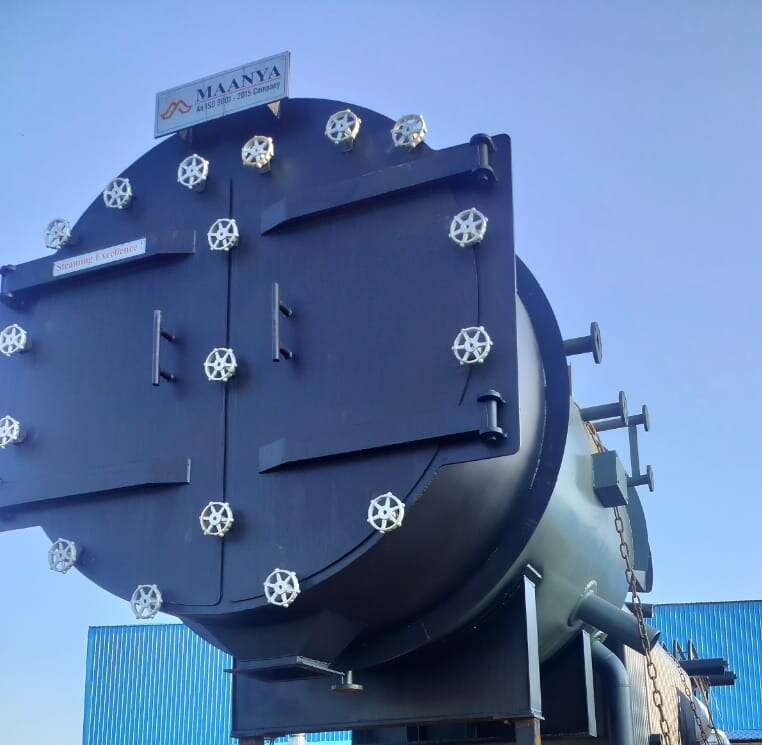
Decision Factors for Industries in 2025
When industries evaluate the parali vs diesel vs coal fuel comparison, decision-makers consider:
- Cost per tonne of steam
- Compliance risk
- Fuel availability
- Operational reliability
- Long-term sustainability
Across all these factors, parali consistently emerges as the most balanced and future-ready fuel option.
Preparing for the Transition to Parali-Based Energy
Successful transition requires:
- Fuel feasibility assessment
- Boiler compatibility evaluation
- Emission system planning
- Operator training
Maanya Boilers supports industries through:
- Engineering consultation
- System customization
- Installation and commissioning
- Long-term service support
This structured approach ensures smooth adoption without production losses.
Parali vs Diesel vs Coal Fuel Comparison — Policy, Stability & Long-Term Impact
Government Policies and Regulations Driving Fuel Change in 2025
One of the strongest forces influencing the parali vs diesel vs coal fuel comparison in 2025 is government policy. Across India, regulatory bodies are tightening emission norms while actively encouraging industries to adopt renewable and low-emission fuels.
Open-field burning of parali has been a major environmental concern, especially in northern India. To address this issue, government agencies are actively promoting industrial utilization of agro-residue fuels. This policy shift directly benefits industries willing to transition to parali-based energy systems.
Key regulatory drivers include:
- Strict emission limits for particulate matter
- Increased penalties for non-compliance
- Mandatory pollution-control integration
- Preference for renewable and biomass fuels
Industries using diesel and coal are facing rising compliance costs due to pollution-control equipment upgrades and regulatory audits. In contrast, parali-based systems align more easily with sustainability-focused policies.
This makes parali not just a cost-saving fuel, but also a policy-aligned fuel for long-term industrial planning.
According to the Ministry of New & Renewable Energy (MNRE), biomass and agro-residue fuels play a key role in India’s renewable energy roadmap.
🔗 https://mnre.gov.in/bio-energy/
Long-Term Fuel Availability and Energy Security
A critical aspect of the parali vs diesel vs coal fuel comparison is long-term energy security.
Diesel: Import Dependency and Volatility
Diesel pricing in India is heavily influenced by:
- Global crude oil markets
- Geopolitical tensions
- Currency fluctuations
This volatility makes diesel an unreliable option for industries requiring stable operational budgets. Any sudden price increase directly impacts production costs.
Coal: Supply Chain and Regulatory Risk
Coal availability is affected by:
- Mining regulations
- Transportation bottlenecks
- Seasonal disruptions
- Environmental restrictions
In addition, coal imports expose industries to international market risks, making cost forecasting difficult.
Parali: Local, Predictable, and Renewable
Parali offers a completely different fuel dynamic:
- Locally sourced within agricultural regions
- Predictable seasonal availability
- Independent of international markets
- Supported by government initiatives
India produces millions of tonnes of rice straw annually. With proper collection and storage systems, parali provides a stable, long-term fuel supply for industrial boilers.
From an energy security perspective, parali is the most resilient option in this parali vs diesel vs coal fuel comparison.
Lifecycle Cost Comparison: Beyond Fuel Price
Fuel price alone does not define the true cost of steam generation. A comprehensive parali vs diesel vs coal fuel comparison must consider lifecycle costs.
Diesel Lifecycle Cost Factors
- High fuel expense
- Low maintenance complexity
- Extremely high operating cost
Diesel boilers may appear simple, but long-term operation becomes financially unsustainable.
Coal Lifecycle Cost Factors
- Moderate fuel price
- High ash disposal cost
- Frequent maintenance
- Equipment wear and tear
- Larger pollution-control investment
Coal systems require continuous spending on ash handling, refractory repairs, and emission management.
Parali Lifecycle Cost Factors
- Lowest fuel cost
- Moderate handling infrastructure
- Lower emission compliance cost
- Longer boiler life with proper design
When evaluated over 5–10 years, parali-based systems deliver the lowest total cost of ownership, making them the strongest performer in lifecycle economics.
Impact on Boiler Longevity and Maintenance
Diesel Systems
Diesel-fired boilers experience:
- Cleaner combustion
- Lower ash-related wear
However, their operating cost far outweighs maintenance savings.
Coal Systems
Coal combustion leads to:
- High ash erosion
- Slagging and fouling
- Frequent shutdowns for cleaning
This shortens component life and increases downtime.
Parali Systems
Modern parali-fired boilers are engineered to handle:
- Variable fuel size
- Higher moisture content
- Controlled ash discharge
With proper grate design and air distribution, parali combustion is stable and predictable. This reduces stress on boiler components and supports long service life.
How Maanya Boilers Engineers Systems for Parali Fuel
Maanya Boilers Pvt. Ltd. has developed boiler solutions that address the practical challenges of agro-residue fuels.
Key engineering considerations include:
- Customized furnace geometry
- Efficient grate mechanisms
- Automated fuel feeding
- Optimized combustion air control
- Robust ash handling systems
These features ensure that parali-fired boilers deliver consistent steam output without operational instability.
Maanya Boilers’ experience across biomass, hybrid, and multi-fuel systems allows industries to transition from coal or diesel to parali with minimal disruption.
Explore Maanya Boilers’ industrial boiler solutions:
https://maanyaboilers.co.in/boilers/
Role of Pollution Control in Parali-Based Systems
Emission compliance plays a major role in the parali vs diesel vs coal fuel comparison.
While parali combustion produces lower sulphur emissions, particulate control remains essential. Maanya Boilers integrates appropriate pollution-control equipment based on fuel and capacity.
Common solutions include:
- Cyclone separators
- Bag filters
- Wet scrubbers
These systems ensure compliance with environmental norms while maintaining operational efficiency.
Learn more about emission control integration:
https://maanyaboilers.co.in/pollution-control-equipment/
Operational Flexibility: Multi-Fuel Capability
Another major advantage of parali-based systems is fuel flexibility.
Many Maanya Boilers designs allow:
- Co-firing of parali with other biomass
- Backup coal firing when required
- Gradual fuel transition
This flexibility reduces operational risk and ensures uninterrupted steam supply during fuel availability changes.
Diesel systems lack this adaptability, while coal systems are limited by combustion constraints.
Impact on Rural Economy and Sustainability
Parali-based energy systems create value beyond industrial boundaries.
Key socio-economic benefits include:
- Additional income for farmers
- Reduced open-field burning
- Job creation in fuel collection and logistics
- Strengthening of local supply chains
Industries adopting parali indirectly contribute to environmental improvement and rural economic stability — an increasingly important factor for ESG-driven businesses.
Decision Factors for Industries in 2025
When industries evaluate the parali vs diesel vs coal fuel comparison, decision-makers consider:
- Cost per tonne of steam
- Compliance risk
- Fuel availability
- Operational reliability
- Long-term sustainability
Across all these factors, parali consistently emerges as the most balanced and future-ready fuel option.
Preparing for the Transition to Parali-Based Energy
Successful transition requires:
- Fuel feasibility assessment
- Boiler compatibility evaluation
- Emission system planning
- Operator training
Maanya Boilers supports industries through:
- Engineering consultation
- System customization
- Installation and commissioning
- Long-term service support
This structured approach ensures smooth adoption without production losses.
Parali vs Diesel vs Coal Fuel Comparison — Industry-Wise Decisions for 2025
The parali vs diesel vs coal fuel comparison becomes even more relevant when evaluated industry by industry. While cost and emissions matter universally, each sector has unique operational needs, steam patterns, and compliance pressures. Understanding how parali performs against diesel and coal in real industrial environments helps decision-makers adopt the most suitable fuel for long-term success.
Parali vs Diesel vs Coal Fuel Comparison for Food & FMCG Industries
Food processing and FMCG units require:
- Stable steam pressure
- Continuous operation
- High hygiene standards
- Predictable fuel costs
In the parali vs diesel vs coal fuel comparison, diesel offers clean combustion but is prohibitively expensive for continuous food production. Coal introduces ash handling and contamination risks, increasing maintenance and hygiene concerns.
Parali-based boilers, when designed with controlled combustion and proper fuel handling, provide:
- Stable steam output
- Low fuel cost
- Cleaner operation than coal
- Compatibility with pollution-control systems
This makes parali a preferred fuel for bakeries, dairies, packaged food units, and beverage plants.
Parali vs Diesel vs Coal Fuel Comparison for Textile & Processing Units
Textile industries depend heavily on steam for:
- Dyeing
- Washing
- Finishing
- Drying
Coal-fired boilers have traditionally dominated this sector, but rising ash disposal costs and compliance issues are reducing their appeal. Diesel remains unsuitable due to cost.
In the parali vs diesel vs coal fuel comparison, parali offers:
- Consistent steam generation
- Lower operational cost
- Reduced environmental penalties
- Better alignment with sustainability goals
Many textile units are now converting coal-fired systems to biomass-compatible designs using parali as the primary fuel.
Parali vs Diesel vs Coal Fuel Comparison for Rice Mills & Agro Industries
Rice mills and agro-based industries operate close to fuel sources and generate biomass waste themselves.
Here, the parali vs diesel vs coal fuel comparison clearly favors parali because:
- Fuel availability is local
- Transportation cost is minimal
- Fuel storage is easier
- Circular economy benefits are strong
Using parali closes the loop between agriculture and industry, making it one of the most efficient fuel choices for rice mills, flour mills, and grain processing units.
Parali vs Diesel vs Coal Fuel Comparison for Chemical & Pharma Plants
Chemical and pharmaceutical industries prioritize:
- Controlled pressure
- Predictable heat transfer
- Regulatory compliance
Diesel provides precision but at extreme cost. Coal introduces contamination risks and higher emissions.
In the parali vs diesel vs coal fuel comparison, parali-based systems integrated with modern control and pollution-control equipment provide a balanced solution:
- Lower fuel cost than diesel
- Cleaner operation than coal
- Compliance-ready performance
This makes parali suitable for controlled industrial environments when supported by engineered boiler systems.
Strategic Risk Analysis: Parali vs Diesel vs Coal Fuel Comparison
When industries evaluate risk, the parali vs diesel vs coal fuel comparison reveals clear differences.
Diesel Risks
- Price volatility
- Import dependency
- Unsustainable operating cost
Coal Risks
- Regulatory tightening
- Ash disposal liabilities
- Environmental penalties
Parali Risk Profile
- Seasonal availability (manageable with planning)
- Requires proper boiler design
With correct system engineering, parali presents lower long-term risk than both diesel and coal.
How Maanya Boilers Enables a Safe Fuel Transition
Maanya Boilers Pvt. Ltd. plays a critical role in helping industries navigate the parali vs diesel vs coal fuel comparison practically — not just theoretically.
Key contributions include:
- Boiler designs compatible with agro-residue fuels
- Hybrid and multi-fuel systems
- Custom furnace and grate engineering
- Emission-control integration
- Operator training and commissioning support
These capabilities allow industries to switch fuels without compromising steam quality or production stability.
Explore Maanya Boilers’ solutions:
https://maanyaboilers.co.in/boilers/
Long-Term Financial Outlook: Parali vs Diesel vs Coal Fuel Comparison
Over a 10-year operational horizon, the parali vs diesel vs coal fuel comparison consistently shows:
- Lowest fuel expenditure with parali
- Reduced compliance cost
- Lower exposure to market volatility
- Higher predictability in budgeting
Industries planning capacity expansion or modernization find parali-based systems financially superior for long-term investments.
Sustainability, ESG & Brand Value
Sustainability is no longer optional. Customers, investors, and regulators increasingly evaluate industrial practices.
In the parali vs diesel vs coal fuel comparison, parali supports:
- Lower carbon footprint
- Renewable energy adoption
- Improved ESG ratings
- Reduced environmental criticism
Industries using parali strengthen their brand reputation while meeting compliance and sustainability targets.
Why 2025 Is the Right Time to Switch
Several factors make 2025 a decisive year in the parali vs diesel vs coal fuel comparison:
- Higher fossil fuel costs
- Stricter pollution enforcement
- Improved biomass boiler technology
- Better fuel logistics and handling
Industries that delay transition may face rising costs and regulatory pressure, while early adopters gain a competitive advantage.
Final Verdict: Parali vs Diesel vs Coal Fuel Comparison
After evaluating cost, emissions, operational stability, policy alignment, and long-term viability, the parali vs diesel vs coal fuel comparison clearly positions parali as the most balanced industrial fuel for 2025.
Summary of Findings
- Parali is the most cost-effective fuel
- Diesel is operationally simple but financially unsustainable
- Coal faces rising regulatory and environmental challenges
With modern boiler engineering and proper emission control, parali delivers reliable steam, predictable costs, and future-ready performance.
Conclusion — Proven Choice for 2025 and Beyond
The parali vs diesel vs coal fuel comparison is no longer theoretical. It is a practical decision that industries must make to remain competitive, compliant, and sustainable.
Parali offers:
- Significant cost savings
- Cleaner combustion
- Strong policy support
- Long-term energy security
With experienced manufacturers like Maanya Boilers Pvt. Ltd. enabling engineered biomass and hybrid boiler solutions, industries can confidently transition to parali-based energy systems.
For industries planning fuel optimization or boiler upgrades in 2025, the conclusion is clear:
Parali is not just an alternative — it is the proven industrial fuel of the future.
No responses yet