

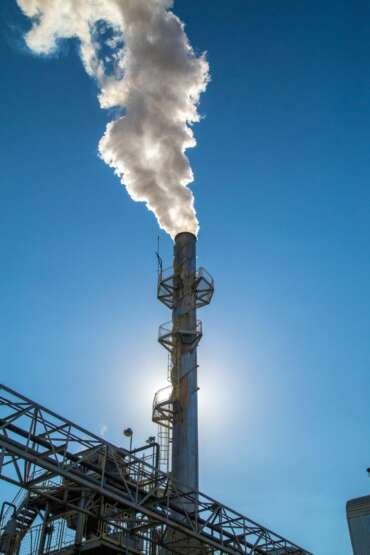
Boiler Blowdown & Safety Valves: Why They’re Critical for Safe Operation
Safe steam generation depends on more than keeping pressure and temperature within operating limits. Boiler water also needs careful management, while pressure-relief equipment must be ready for abnormal pressure situations. A blowdown valve and a steam safety valve serve separate purposes, but both contribute to controlled and dependable boiler performance when correctly installed, maintained and operated.
What Is a Boiler Blowdown?
Boiler blowdown is the controlled removal of boiler water to manage dissolved solids and other concentrated impurities. As water changes into steam, many dissolved substances remain behind. If their concentration rises too high, it may contribute to foaming, carryover and scale formation.
According to the Bureau of Energy Efficiency, boiler blowdown removes concentrated water and replaces it with fresh feedwater to maintain optimal Total Dissolved Solids (TDS) levels.
- Role of a Boiler Blowdown Valve
A boiler blowdown valve controls the removal of concentrated boiler water. Depending on the boiler arrangement, this may be intermittent or continuous.
Intermittent blowdown removes a larger quantity over a shorter period, while continuous blowdown releases a smaller flow on an ongoing basis. The method depends on boiler design, water chemistry and operating conditions.
- Why Boiler Water Needs Blowdown
Dissolved solids become increasingly concentrated as steam leaves the boiler. Excessive concentration may encourage deposits and foaming, affecting heat transfer and steam quality.
Controlled blowdown removes part of this concentrated water so treated feedwater can replace it. This keeps boiler-water chemistry within the limits recommended for the equipment. High blowdown rates, however, also waste hot water and energy.
You can read the detailed Steam Boiler Explained: PETROMAX Guide by Maanya Boilers to understand how blowdown valves, safety valves, and other internal components work together.
How Does a Blowdown Valve Work?
The valve provides a controlled route for removing boiler water from a designated discharge point. Its operation should follow the boiler manufacturer’s instructions and the water-quality conditions being monitored.
- Manual Blowdown
With manual blowdown, an operator opens the valve for a defined period under the operating procedure. This requires attention to boiler readings and consistent practice.
Frequency should not rely solely on a fixed routine when water-quality readings or manufacturer guidance indicate otherwise.
- Automatic Blowdown
Automatic blowdown systems regulate water removal based on key water-quality parameters, such as conductivity. According to the Bureau of Energy Efficiency’s boiler guidance, continuous blowdown createsa steady flow of concentrated boiler water, allowing fresh feedwater to enter at a corresponding rate to maintain consistent Total Dissolved Solids (TDS) levels.
Whilst automation minimises manual intervention, the equipment still requires regular inspection, calibration, and maintenance.
Why Is Boiler Blowdown Important for Boiler Safety?
Blowdown primarily manages water quality, but maintaining appropriate chemistry also supports reliable boiler operation.
- Controlling Dissolved Solids
High dissolved-solids concentrations can contribute to foaming and carryover. Carryover may affect steam quality and downstream equipment.
Conductivity and other specified water-quality indicators help operators determine when adjustments are required. Limits should follow the boiler manufacturer’s recommendations rather than a generic figure.
- Reducing Scale and Corrosion
Accumulation of deposits on heat-transfer surfaces can severely hinder heat transfer efficiency and lead to localised overheating. According to the Bureau of Energy Efficiency’s boiler guidance, highly concentrated solids often form scale and internal deposits that may ultimately cause tube failure.
To prevent this, boiler blowdown works alongside proper feedwater treatment; however, it serves as a complementary process rather than a complete substitute for chemical treatment or routine inspections.
- Managing Blowdown Losses
Every blowdown release carries hot water and energy. High discharge rates therefore increase water, treatment and energy losses.
The aim is controlled removal instead of simply increasing the blowdown rate. Monitoring water-quality data helps balance water quality with efficiency.
What Is a Steam Safety Valve?
A steam safety valve is a pressure-relief device designed to discharge steam automatically when system pressure reaches a designated threshold. Unlike boiler blowdown, which regulates water chemistry and Total Dissolved Solids (TDS), the safety valve functions purely to prevent overpressurization.
According to the OSHA Technical Manual on Safety Relief Valve Operations, these valves actuate in direct response to pressure exceeding standard operating limits.
- How a Steam Safety Valve Works
During normal operation, the valve remains closed while pressure stays within its permitted range. When pressure reaches the set point, the mechanism opens and releases steam.
After pressure falls to the required level, the valve is designed to return to its closed position.
- When Does a Safety Valve Open?
The opening point depends on the valve’s specified set pressure and the requirements of the protected equipment. It should not be adjusted casually by an operator.
Correct sizing, installation and setting are essential. The discharge arrangement must also direct released steam safely away from personnel and equipment.
Why Are Safety Valves Important in Steam Boilers?
A safety valve steam arrangement provides an independent layer of protection against excessive pressure. Since boilers operate as pressure vessels, dependable pressure-relief equipment since boilers operate as pressure vessels, dependable pressure-relief equipment is a key safety measure.
- Protection Against Excess Pressure
A correctly functioning safety valve releases a vital escape route for steam once internal pressure reaches its specified threshold, safeguarding the boiler and downstream equipment from overpressurisation.
Furthermore, under OSHA steam-system safety requirements, relief valves must adhere to strict guidelines regarding pressure settings, accessibility, and positioning to ensure discharged steam does not pose a hazard to operators or surrounding facilities.
- Pressure Relief and Boiler Operation
Pressure relief is not the same as normal pressure control. Burners, controls and other operating systems manage normal operation, while the safety valve acts as a protective device during abnormal pressure conditions.
Keeping these functions separate is important when reviewing boiler safety arrangements.
- Testing and Maintenance
Safety valves require periodic testing and routine inspection in accordance with relevant regulations, manufacturer specifications, and the site’s maintenance schedule. Additionally, Maanya Boilers’ steam boiler guide highlights safety-device testing and preventive maintenance as vital practices for ensuring safe, reliable boiler operation.
Blowdown Valve vs Safety Valve: What Is the Difference?
Although both are associated with boiler safety, their functions are not interchangeable.
| Feature | Blowdown Valve | Steam Safety Valve |
| Main purpose | Controls boiler-water concentration | Protects against excessive pressure |
| Discharge | Boiler water | Steam |
| Main trigger | Water-quality requirements | Pressure reaching set point |
| Primary function | Manages TDS and impurities | Provides pressure relief |
| Normal use | Controlled water discharge | Opens during overpressure conditions |
Managing boiler-water chemistry cannot replace pressure protection, and a safety valve cannot perform the role of routine blowdown.
What Happens When Boiler Valves Are Not Properly Maintained?
Poor maintenance can affect both water quality and pressure protection.
- Problems Caused by Poor Blowdown Control
Insufficient blowdown may allow dissolved solids to build up, increasing the risk of deposits, foaming and carryover. Excessive blowdown, meanwhile, wastes hot water and energy.
Water treatment, conductivity monitoring and a defined blowdown procedure should therefore work together.
- Problems Caused by Safety Valve Failure
A safety valve that is incorrectly set, obstructed, corroded, or otherwise compromised may fail to provide pressure protection. Consequently, routine inspections must thoroughly evaluate the valve body, discharge piping, and connected components.
For a comprehensive analysis of overpressure risks and protective measures, refer to Maanya Boilers boiler blast causes and prevention guide, which details safety valve operations, excess-pressure conditions, and preventive maintenance practices.
Best Practices for Boiler Blowdown and Safety Valves
- Follow Boiler Manufacturer Guidelines
Blowdown frequency, water-quality limits and valve settings depend on boiler design and operating conditions. Manufacturer instructions should form the basis of the operating procedure.
- Monitor Boiler Water Quality
Track relevant water-quality indicators and respond to changes instead of relying only on a fixed blowdown schedule. Conductivity can indicate TDS levels in boiler water. Bureau of Energy Efficiency boiler guidance
- Inspect and Test Safety Valves
Include safety-valve inspection and testing within the planned maintenance programme. Settings should be verified by qualified personnel rather than altered without authorisation.
- Maintain Accurate Operating Records
Record blowdown activity, water-quality readings, inspections, testing and servicing work. These records can help identify recurring issues and support servicing decisions.
Maanya’s [industrial boiler technology article] also covers developments such as improved blowdown management, pressure protection and other safety systems.
Why Blowdown and Safety Valves Work Together
A boiler’s safety depends on several layers working alongside one another. Blowdown supports controlled boiler-water chemistry, while the safety valve protects against excessive pressure. Feedwater treatment, instrumentation, operating controls and preventive maintenance add further safeguards.
A coordinated maintenance programme helps address water-side and pressure-related risks while keeping each valve’s purpose clear.
Conclusion
Blowdown and safety valves address two separate aspects of steam boiler operation. The blowdown valve helps maintain acceptable boiler-water conditions, while the safety valve provides pressure relief when the specified limit is reached.
Neither replaces feedwater treatment, instrumentation, inspection or preventive maintenance. Following manufacturer guidance and applicable safety requirements supports reliable operation and protects equipment and personnel.
Frequently Asked Questions About Boiler Blowdown and Safety Valves
- What Is a Blowdown Valve in a Boiler?
A blowdown valve controls the removal of boiler water to help manage dissolved solids, TDS and other concentrated impurities.
- What Does a Steam Safety Valve Do?
A steam safety valve releases steam when pressure reaches its specified set point, helping protect the boiler from excessive pressure.
- Why Is Boiler Blowdown Necessary?
It removes a portion of concentrated boiler water, helping control dissolved solids and reducing the risk of scale, foaming and carryover.
- How Often Should a Boiler Safety Valve Be Tested?
Testing frequency depends on applicable regulations, boiler design, manufacturer instructions and the site’s maintenance programme. Qualified personnel should carry out required testing.
- What Happens If Boiler Blowdown Is Not Controlled?
Insufficient blowdown may increase dissolved solids and deposits, while excessive blowdown can waste hot water and energy. The rate should therefore be controlled.
No responses yet