

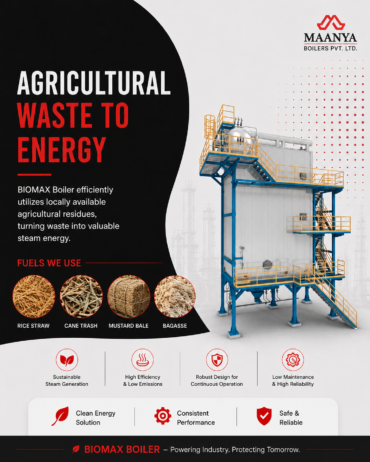
Rice Mill & Husk-Fired Boilers: Best Fuel Choice for Rice Mills
Rice husk is a practical fuel for rice mills because it is generated during milling and can be used to produce steam for processes such as parboiling and drying. A properly designed rice mill boiler helps convert this readily available residue into process heat while reducing reliance on externally purchased fuels.
Its suitability, however, depends on factors such as husk moisture, fuel quality, steam demand, storage, feeding and combustion needs . For a closer look at biomass-based heating systems used in grain processing, the Maanya Boilers guide to biomass boilers for grain units provides useful context on matching fuel characteristics with plant needs.
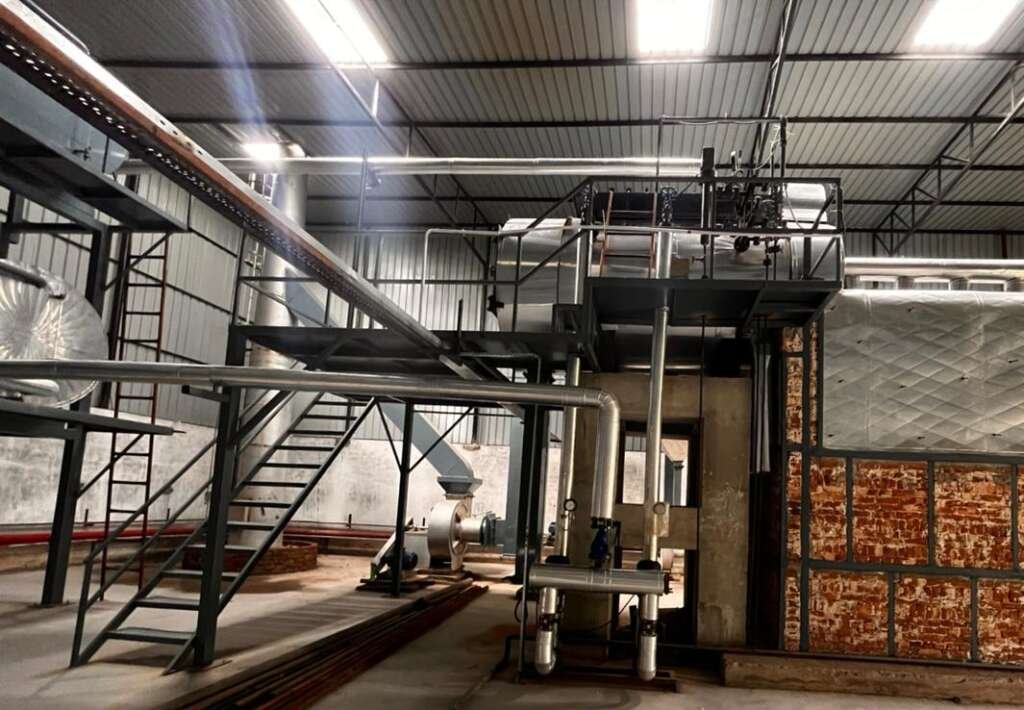
Why Rice Husk Is a Practical Boiler Fuel
Rice husk has a clear advantage for mills because the fuel is created during milling. Operators can use material already produced on site instead of transporting a separate fuel.
According to the Bureau of Energy Efficiency, rice mills commonly use rice husk in boilers, with steam supporting processes including parboiling and drying.
- Turning Milling Residue Into Useful Energy
Using husk as boiler fuel creates a direct link between milling and steam generation. It simplifies fuel sourcing and reduces reliance on coal, oil or other externally purchased fuels, subject to local availability and the boiler’s design.
Moisture, particle size, feeding rate and air supply all influence combustion, so stable firing requires them to be managed together.
- What Makes Husk-Fired Operation Different?
Rice husk is lightweight and can behave differently from heavier solid fuels during feeding and combustion. Its ash content also needs attention because poor ash management may affect furnace performance and cleaning requirements.
The combustion chamber, grate, feeding arrangement and ash-handling system should therefore match the fuel rather than be treated as interchangeable components.
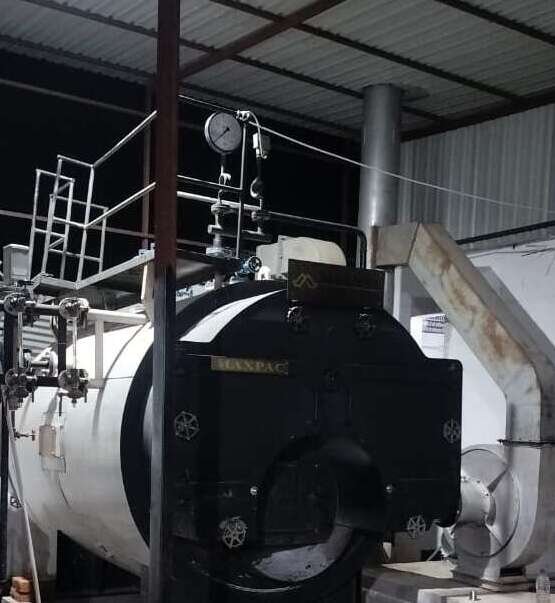
How Does a Rice Mill Boiler Work?
A rice mill boiler burns husk or another approved fuel to transfer heat into water and generate steam. The steam is routed to process areas requiring thermal energy.
- Fuel Feeding and Combustion
Husk must reach the furnace at a controlled rate. The feeding arrangement needs to maintain consistent fuel distribution so that combustion remains stable across the firing zone.
Air supply is equally important. Too little air leaves unburnt fuel, while excess air carries heat out with the flue gas. Proper air-fuel control therefore has a direct effect on heat generation.
- Steam Generation and Heat Transfer
Once combustion releases heat, that energy passes through the boiler’s heat-transfer surfaces. The resulting steam can be used for parboiling, drying or other thermal processes.
The boiler should be selected around the mill’s actual steam load rather than only its peak demand. Maanya Boilers’ steam boiler guide explains how application requirements influence boiler selection.
Biomass Boiler vs Briquette Boiler for Rice Mills
Rice mills do not have to rely on one fuel format. A biomass boiler can be designed for suitable agricultural residues, while a briquette boiler is intended for densified biomass fuels that are easier to handle and feed in many installations.
- When Rice Husk Makes Sense
Husk is particularly attractive when a mill generates enough of it consistently and has suitable storage and handling arrangements. Using an in-house residue reduces dependence on external fuel procurement.
However, the boiler must be engineered for husk characteristics. A system designed around another solid fuel may not deliver the same combustion behaviour when husk is introduced.
- When Briquettes May Be Useful
Briquettes can provide a more uniform fuel form than loose agricultural residues. This often simplifies storage and fuel feeding where a mill does not generate enough husk to cover its steam requirement.
They can also serve as a supplementary fuel when seasonal husk availability changes. The practical choice depends on delivered fuel cost, moisture, calorific value, storage space and the boiler’s approved fuel range.
Key Factors Before Selecting a Husk-Fired Boiler
Fuel availability is only one part of the decision. Assess the complete operating arrangement before finalising the boiler.
- Steam Requirement and Boiler Capacity
Start with actual steam consumption across parboiling, drying and other processes. Oversizing increases capital and operating burdens, while an undersized unit may struggle during high-demand periods.
A clear load profile supports capacity selection and fuel-consumption estimates.
- Fuel Quality and Storage
Husk characteristics can vary with milling conditions and storage. Moisture, contamination and particle characteristics should be understood before selecting the feeding and combustion arrangement.
Storage should also protect fuel from rain and excessive moisture. Poor storage often leads to inconsistent combustion.
- Ash Handling and Emission Control
Husk firing produces ash, so collection and disposal need to be part of the original design. The system may also require appropriate flue-gas cleaning equipment to meet applicable emission requirements.
Efficient combustion does not help if ash handling or emission control becomes difficult.
How to Improve Rice Husk Boiler Efficiency
Getting more useful steam from rice husks is not only about burning more fuel. Combustion control, heat transfer, insulation, ash removal and day-to-day operation all influence how effectively the boiler uses the available energy. This becomes particularly important when husk quality or mill loads vary during production.
As boiler technology has evolved, manufacturers have developed systems with greater flexibility in handling biomass fuels. Maanya Boilers’ article on industrial boiler technology evolution provides further context on these developments and the changing requirements of industrial steam generation.
- Control Air and Fuel Flow
Maintaining the intended air-to-fuel balance supports more complete combustion. Boiler operators need to monitor relevant readings and adjust firing conditions according to the equipment design and operating load.
The Bureau of Energy Efficiency provides rice-mill guidance on air-ratio targets and other energy-performance parameters, showing why combustion control deserves regular attention. Research published by Wiley on rice-husk boiler performance likewise highlights the role of excess air and flue-gas conditions.
- Recover and Retain Useful Heat
Insulation reduces avoidable surface losses, while suitable heat-recovery arrangements can make better use of energy leaving the boiler. Clean heat-transfer surfaces are also important because deposits can restrict heat transfer.
Routine inspection therefore needs to cover combustion, flue-gas temperature, insulation, heat-transfer surfaces and ash removal.
Why Boiler Design Matters More Than Fuel Alone
Calling husk the “best” fuel without considering the complete system can be misleading. The useful result comes from matching fuel characteristics with combustion technology, steam demand and site logistics.
A modern biomass system may offer fuel flexibility, but that does not automatically make every biomass type economical. Likewise, briquettes may simplify handling but can cost more than an available in-house residue.
Compare delivered fuel cost and quality against steam output, storage, labour, ash handling and maintenance.
Why Choose Maanya Boilers for Rice Mill Applications?
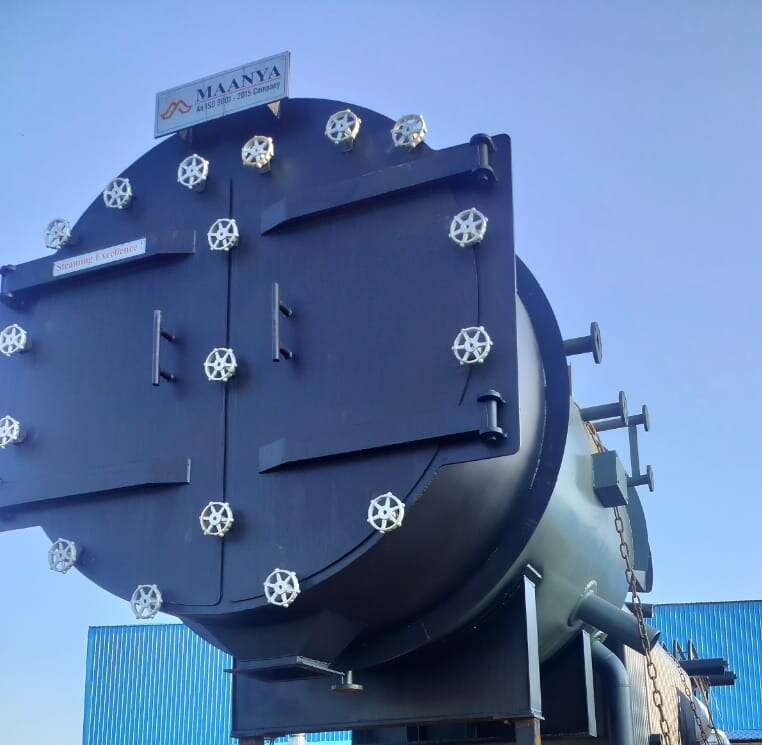
Rice mills need a boiler that can handle the characteristics of the fuel available at the site while delivering a dependable supply of process steam. Maanya Boilers offers boiler systems for biomass and agro-residue fuels, including rice husk, with configurations designed around combustion, fuel feeding and ash management.
For mills considering a biomass-fired setup, the selection should begin with the expected steam load, fuel availability, moisture levels, storage arrangements and daily operating pattern. These factors help determine which boiler configuration fits the application instead of relying on capacity alone.
Before finalising the system, it is also useful to understand how packaged steam systems are configured for industrial applications. Maanya Boilers’package steam boiler guide offers additional information that can help when assessing the needs of a new installation or boiler replacement.
Conclusion
For rice mills, rice husk can be a practical fuel because it is generated within the milling process itself. Yet fuel availability alone does not determine boiler performance. Combustion design, steam demand, fuel quality, ash handling and heat management all influence the final result.
A correctly engineered rice mill boiler can convert husk into dependable process steam, while biomass and briquette systems provide alternatives when fuel supply or site requirements call for them. The most suitable choice is the one that aligns fuel economics with reliable steam generation and manageable day-to-day operation.
Frequently Asked Questions About Rice Mill Boilers
1. Can rice husk be used as boiler fuel?
Yes. Rice husk is widely used as a boiler fuel in rice mills, particularly where the mill generates enough residue to support its steam requirement. The boiler must be designed for the fuel’s feeding, combustion and ash characteristics.
2. Is a biomass boiler suitable for a rice mill?
A biomass boiler can suit rice mills when the selected system matches the available fuel, steam demand and site conditions. Rice husk, briquettes and other agricultural residues may be considered where the boiler is designed to handle them.
3. Is a briquette boiler better than a husk-fired boiler?
There is no universal answer. A briquette boiler may be useful where uniform, densified fuel is easier to procure and handle. A husk-fired system may make more sense where the mill has a dependable supply of its own rice husk.
4. What should a rice mill check before buying a boiler?
Review steam demand, husk availability, fuel moisture, storage capacity, feeding arrangements, ash handling, emission-control requirements and expected operating hours. These factors help determine the appropriate boiler configuration.
5. How can a rice mill reduce boiler fuel consumption?
Maintain proper air-fuel control, keep heat-transfer surfaces clean, minimise heat losses through sound insulation, manage ash effectively and operate the boiler close to its intended load range. Regular performance checks can reveal where energy is being lost.
No responses yet